What Is Muscular Strength? Definition, Benefits, Exercises and Tips
What Is Muscular Strength? Definition, Benefits, Exercises and Tips
Published Date:
Published Date:
Last Updated:
Last Updated:
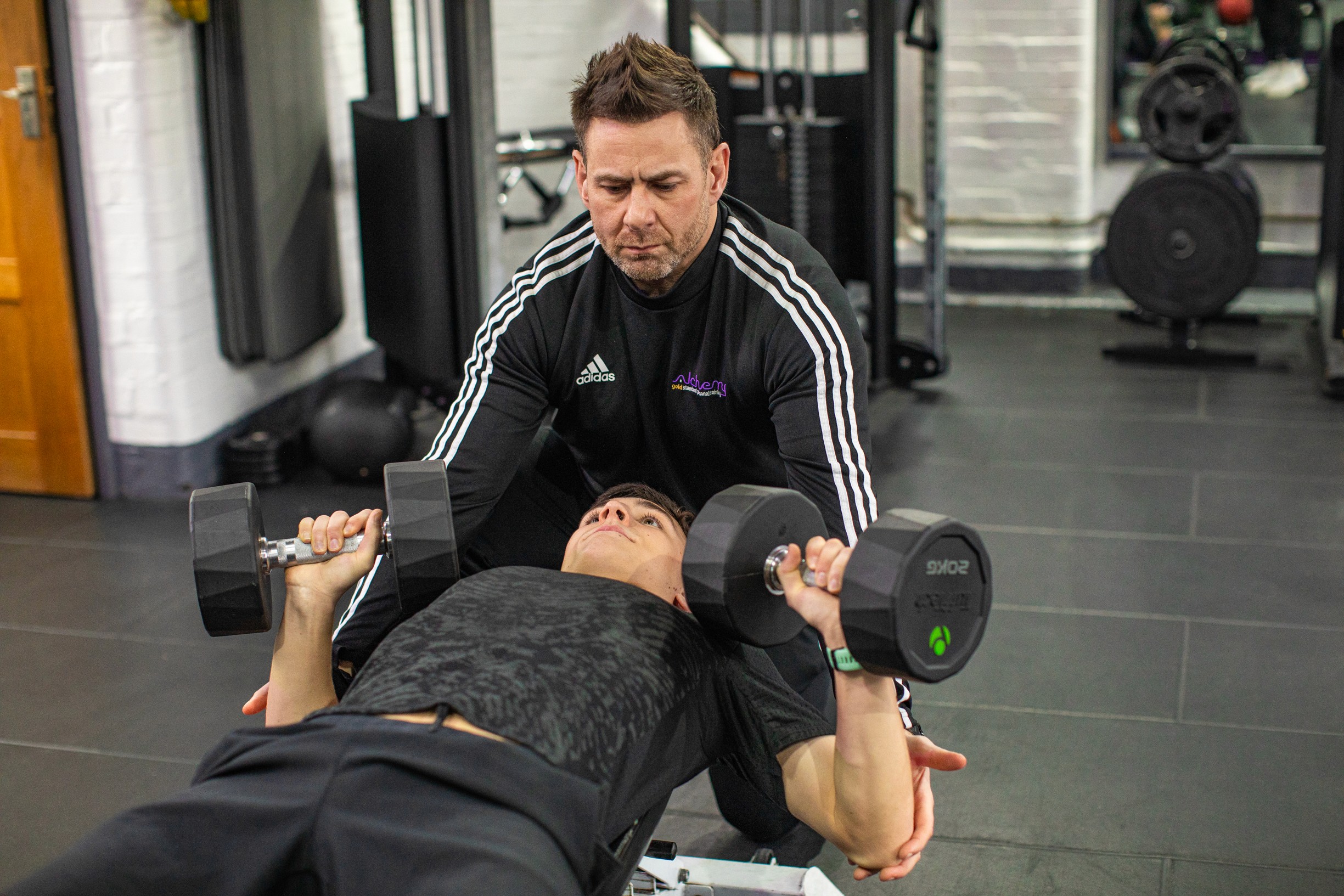
When embarking on a fitness journey, the term “strength” is often used as a catch-all for physical capability. However, to achieve a truly high-performing physique, it is essential to understand the technical nuances of your training. Whether you are working with a personal trainer or working out independently, defining your goals correctly is the first step toward reaching them.
This guide explores the definition of muscular strength, the critical differences between muscular strength and power, and how to effectively build a foundation of resilience.
What is Muscular Strength?
In its simplest form, muscular strength is the maximum amount of force a muscle or muscle group can exert against a resistance in a single effort.
In a practical sense, this is often measured by your "one-rep max" (1RM) on a specific lift, such as a deadlift or a chest press. It is a reflection of how well your nervous system can recruit muscle fibers to move a heavy load. For those searching for a personal trainer near me, improving this specific metric is often the primary focus for enhancing bone density and metabolic health.
Muscular Strength vs Power: Understanding the Difference
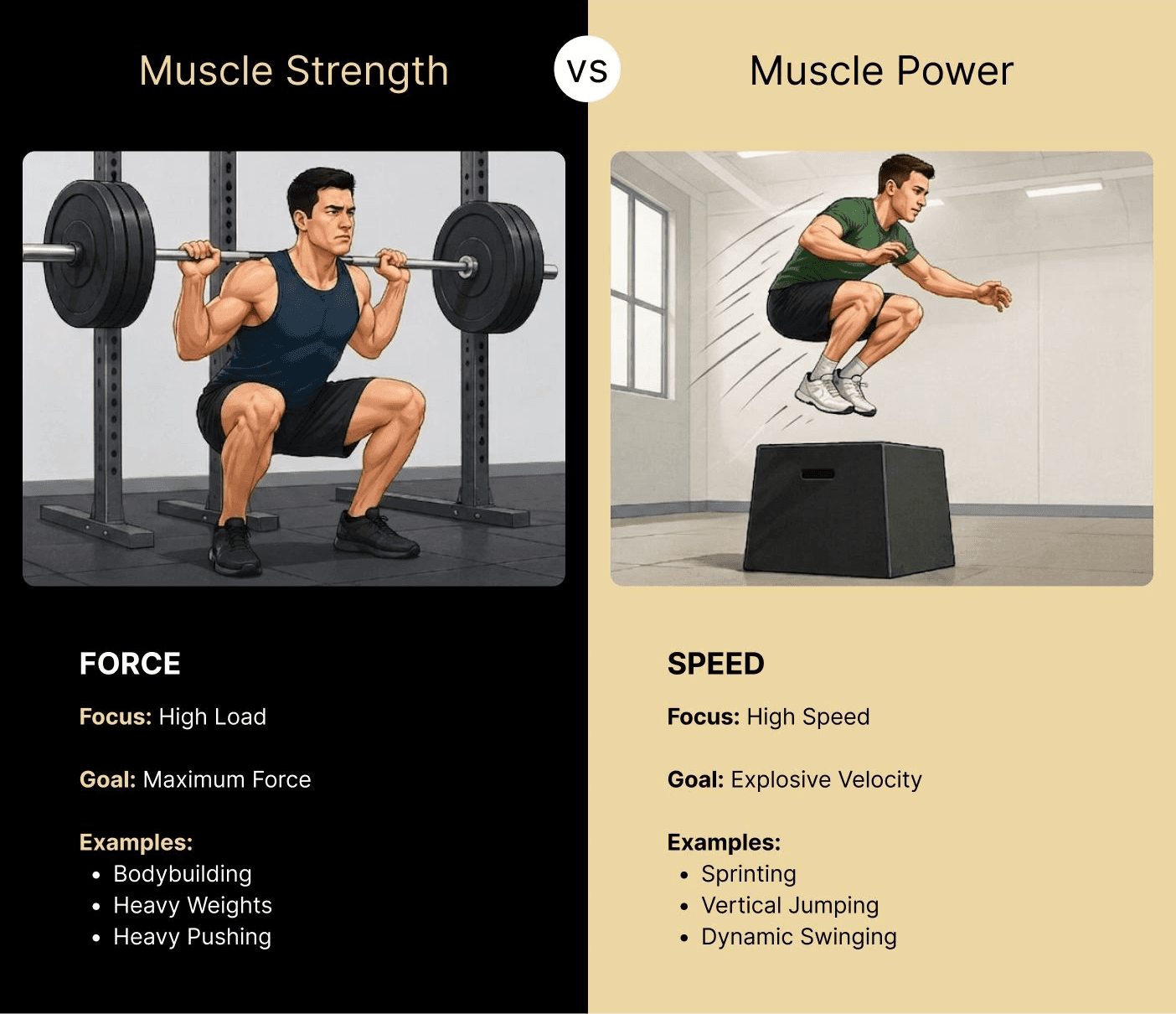
It is common to confuse these two terms, but in the world of sports science, they represent two distinct physical attributes:
Muscular Strength: The maximum force you can exert, regardless of time. It serves as the essential foundation for all other physical attributes. Without it, power and endurance are limited.
Muscle Power: The ability to exert force quickly (Strength x Speed). This drives explosive movements like vertical jumps or sprints, which are critical in sports like rugby and tennis.
At our Alderley Edge and Wilmslow studios, we often transition clients from a strength-building phase into a power phase to ensure they are as functional as they are strong. Training for power involves moving moderate weights at high speeds, whereas training for strength involves moving very heavy weights at naturally slower speeds due to the load.
The Benefits of Developing Muscular Strength
Building strength offers advantages that extend far beyond the gym floor. Those who prioritise strength training often experience:
Enhanced Metabolic Rate
Muscle tissue is more metabolically active than fat. By increasing your muscular strength, you are essentially upgrading the engine of your body. This leads to an increased basal metabolic rate (BMR), meaning you burn more fuel just to maintain your daily functions.
Injury Prevention and Joint Integrity
Strength training strengthens not just muscles, but also tendons, ligaments, and bones. This increased structural integrity protects the joints from the wear and tear of daily life. For instance, strong hamstrings and quadriceps act as shock absorbers for the knees, significantly reducing the risk of ACL or meniscus issues.
Improved Hormonal Health
Heavy resistance training triggers the release of growth hormone and testosterone (in both men and women, though in different amounts). These hormones are vital for mood regulation, cognitive function, and energy levels.
Functional Longevity
Maintaining strength is the key to remaining independent. The loss of muscle mass as we age, known as sarcopenia, is a leading cause of frailty. By building a strength reserve now, you ensure that you can continue to enjoy an active lifestyle for decades.
The Big Four Exercises for Maximum Strength
To effectively increase your force production, you should focus on compound movements that engage multiple joints and large muscle groups. Isolation exercises like bicep curls have their place, but they do not provide the systemic stimulus required to build true muscular strength.
1. The Squat
The squat is often referred to as the "king" of all exercises. It involves almost every muscle in the body, requiring significant core stability to keep the spine neutral while the lower body moves the load.
For residents in Wilmslow wanting to transform their physique, the squat is the ultimate tool. It doesn't just build the legs; it forces the entire nervous system to adapt to a heavy load, leading to total-body strength gains.
2. The Deadlift
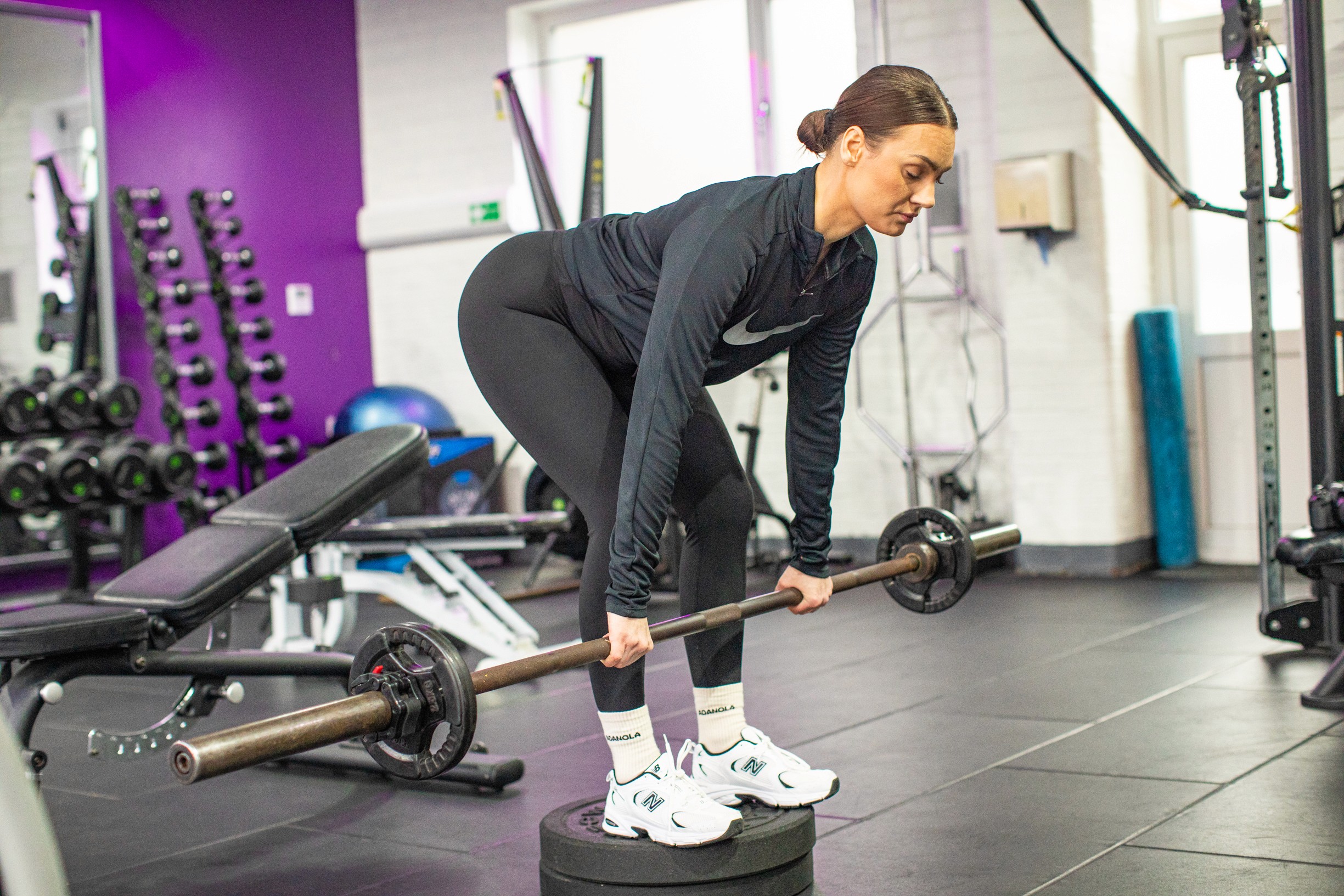
The deadlift is the purest measure of raw strength. It involves picking a dead weight up off the floor until you are standing upright. It targets the posterior chain, which are the glutes, hamstrings, and the entire length of the back.
Because you are moving the weight through a large range of motion, the deadlift has a massive impact on your central nervous system, making it one of the most effective ways to build functional power.
3. The Overhead Press
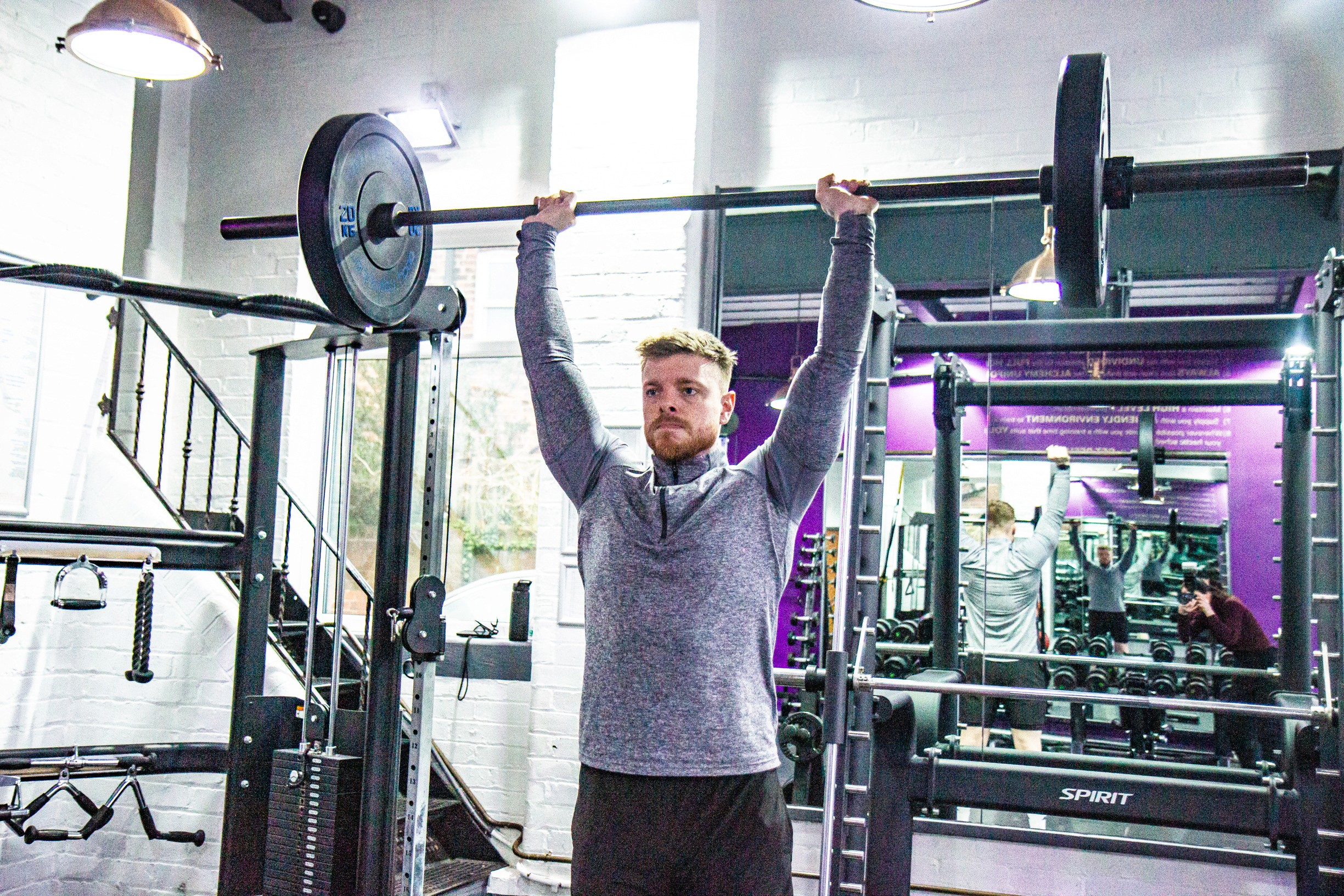
For upper-body resilience, the overhead press is essential. Unlike the bench press, which uses a bench for stability, the overhead press requires you to stand and stabilise the weight using your core and legs.
It builds massive strength in the shoulders and triceps while teaching the body how to transfer force from the ground up through the torso.
4. The Bench Press
This is the primary move for developing the horizontal pushing muscles: the pectorals, deltoids, and triceps. When performed correctly with a slight arch and retracted shoulder blades, it allows you to move the heaviest weights possible for the upper body.
If you are looking to build lean muscle, mastering the bench press is a non-negotiable step toward creating a powerful upper-body frame.
Programming for Strength: The Rule of Three
When your goal is strength, your programming must differ from traditional bodybuilding or high-intensity interval training. To maximise force production, we generally follow the Rule of Three:
Lower Rep Ranges
Strength is best built in the 1–5 repetition range. This allows you to use weights that are 80% to 95% of your maximum capacity, which is the sweet spot for neurological adaptation.
Longer Rest Periods
Unlike a fat-burning workout where you want to keep your heart rate up, strength training requires rest. You should wait 3 to 5 minutes between heavy sets to allow your ATP (the muscle's primary energy source) to fully replenish. If you rush back into a set, you won't be able to lift heavy enough to stimulate strength gains.
Compound Priority
Always perform your heaviest, multi-joint movements (like squats or deadlifts) at the beginning of your session when your nervous system is fresh. Leaving these big lifts until the end of a workout is a recipe for poor form and diminished results.
Professional Tips for Strength Progression
Prioritise Progressive Overload
The body will not change unless it is forced to. To get stronger, you must gradually increase the demand. This doesn't always mean more weight; you can progress by improving your tempo, increasing the number of sets, or improving your technique with the same weight.
Focus on Form First
Strength built on bad form is a liability. Before adding heavy plates, ensure your mechanics are flawless. A personal trainer can provide the real-time feedback necessary to ensure your spine and joints are in the optimal position for force production.
Manage Your Fatigue
Strength training is taxing on the brain, not just the muscles. This is why deload weeks where you intentionally reduce your volume or intensity are vital every 4 to 6 weeks. This allows your central nervous system to recover, preventing burnout and injury.
Elevate Your Performance with Expert Guidance
Understanding the mechanics of your body is the first step toward a successful fitness journey. By focusing on a clear muscular strength definition and applying it through structured, compound movements, you set the stage for a lifetime of health and capability. True strength is not just about the numbers on the bar; it is about the confidence and physical freedom that come from knowing your body is resilient.
Whether you’re training in Wilmslow or visiting our Alderley Edge facility, our team is dedicated to helping you master these principles. Combining professional technique with a consistent work ethic is the only guaranteed way to unlock your true physical potential.
When embarking on a fitness journey, the term “strength” is often used as a catch-all for physical capability. However, to achieve a truly high-performing physique, it is essential to understand the technical nuances of your training. Whether you are working with a personal trainer or working out independently, defining your goals correctly is the first step toward reaching them.
This guide explores the definition of muscular strength, the critical differences between muscular strength and power, and how to effectively build a foundation of resilience.
What is Muscular Strength?
In its simplest form, muscular strength is the maximum amount of force a muscle or muscle group can exert against a resistance in a single effort.
In a practical sense, this is often measured by your "one-rep max" (1RM) on a specific lift, such as a deadlift or a chest press. It is a reflection of how well your nervous system can recruit muscle fibers to move a heavy load. For those searching for a personal trainer near me, improving this specific metric is often the primary focus for enhancing bone density and metabolic health.
Muscular Strength vs Power: Understanding the Difference
It is common to confuse these two terms, but in the world of sports science, they represent two distinct physical attributes:
Muscular Strength: The maximum force you can exert, regardless of time. It serves as the essential foundation for all other physical attributes. Without it, power and endurance are limited.
Muscle Power: The ability to exert force quickly (Strength x Speed). This drives explosive movements like vertical jumps or sprints, which are critical in sports like rugby and tennis.
At our Alderley Edge and Wilmslow studios, we often transition clients from a strength-building phase into a power phase to ensure they are as functional as they are strong. Training for power involves moving moderate weights at high speeds, whereas training for strength involves moving very heavy weights at naturally slower speeds due to the load.
The Benefits of Developing Muscular Strength
Building strength offers advantages that extend far beyond the gym floor. Those who prioritise strength training often experience:
Enhanced Metabolic Rate
Muscle tissue is more metabolically active than fat. By increasing your muscular strength, you are essentially upgrading the engine of your body. This leads to an increased basal metabolic rate (BMR), meaning you burn more fuel just to maintain your daily functions.
Injury Prevention and Joint Integrity
Strength training strengthens not just muscles, but also tendons, ligaments, and bones. This increased structural integrity protects the joints from the wear and tear of daily life. For instance, strong hamstrings and quadriceps act as shock absorbers for the knees, significantly reducing the risk of ACL or meniscus issues.
Improved Hormonal Health
Heavy resistance training triggers the release of growth hormone and testosterone (in both men and women, though in different amounts). These hormones are vital for mood regulation, cognitive function, and energy levels.
Functional Longevity
Maintaining strength is the key to remaining independent. The loss of muscle mass as we age, known as sarcopenia, is a leading cause of frailty. By building a strength reserve now, you ensure that you can continue to enjoy an active lifestyle for decades.
The Big Four Exercises for Maximum Strength
To effectively increase your force production, you should focus on compound movements that engage multiple joints and large muscle groups. Isolation exercises like bicep curls have their place, but they do not provide the systemic stimulus required to build true muscular strength.
1. The Squat
The squat is often referred to as the "king" of all exercises. It involves almost every muscle in the body, requiring significant core stability to keep the spine neutral while the lower body moves the load.
For residents in Wilmslow wanting to transform their physique, the squat is the ultimate tool. It doesn't just build the legs; it forces the entire nervous system to adapt to a heavy load, leading to total-body strength gains.
2. The Deadlift
The deadlift is the purest measure of raw strength. It involves picking a dead weight up off the floor until you are standing upright. It targets the posterior chain, which are the glutes, hamstrings, and the entire length of the back.
Because you are moving the weight through a large range of motion, the deadlift has a massive impact on your central nervous system, making it one of the most effective ways to build functional power.
3. The Overhead Press
For upper-body resilience, the overhead press is essential. Unlike the bench press, which uses a bench for stability, the overhead press requires you to stand and stabilise the weight using your core and legs.
It builds massive strength in the shoulders and triceps while teaching the body how to transfer force from the ground up through the torso.
4. The Bench Press
This is the primary move for developing the horizontal pushing muscles: the pectorals, deltoids, and triceps. When performed correctly with a slight arch and retracted shoulder blades, it allows you to move the heaviest weights possible for the upper body.
If you are looking to build lean muscle, mastering the bench press is a non-negotiable step toward creating a powerful upper-body frame.
Programming for Strength: The Rule of Three
When your goal is strength, your programming must differ from traditional bodybuilding or high-intensity interval training. To maximise force production, we generally follow the Rule of Three:
Lower Rep Ranges
Strength is best built in the 1–5 repetition range. This allows you to use weights that are 80% to 95% of your maximum capacity, which is the sweet spot for neurological adaptation.
Longer Rest Periods
Unlike a fat-burning workout where you want to keep your heart rate up, strength training requires rest. You should wait 3 to 5 minutes between heavy sets to allow your ATP (the muscle's primary energy source) to fully replenish. If you rush back into a set, you won't be able to lift heavy enough to stimulate strength gains.
Compound Priority
Always perform your heaviest, multi-joint movements (like squats or deadlifts) at the beginning of your session when your nervous system is fresh. Leaving these big lifts until the end of a workout is a recipe for poor form and diminished results.
Professional Tips for Strength Progression
Prioritise Progressive Overload
The body will not change unless it is forced to. To get stronger, you must gradually increase the demand. This doesn't always mean more weight; you can progress by improving your tempo, increasing the number of sets, or improving your technique with the same weight.
Focus on Form First
Strength built on bad form is a liability. Before adding heavy plates, ensure your mechanics are flawless. A personal trainer can provide the real-time feedback necessary to ensure your spine and joints are in the optimal position for force production.
Manage Your Fatigue
Strength training is taxing on the brain, not just the muscles. This is why deload weeks where you intentionally reduce your volume or intensity are vital every 4 to 6 weeks. This allows your central nervous system to recover, preventing burnout and injury.
Elevate Your Performance with Expert Guidance
Understanding the mechanics of your body is the first step toward a successful fitness journey. By focusing on a clear muscular strength definition and applying it through structured, compound movements, you set the stage for a lifetime of health and capability. True strength is not just about the numbers on the bar; it is about the confidence and physical freedom that come from knowing your body is resilient.
Whether you’re training in Wilmslow or visiting our Alderley Edge facility, our team is dedicated to helping you master these principles. Combining professional technique with a consistent work ethic is the only guaranteed way to unlock your true physical potential.
Table of Content

Written by
Rufus Bradshaw
Rufus Bradshaw
Director of Fitness
Rufus Bradshaw has been at the forefront of personal training since founding his business in 2006, bringing over 20 years of expertise to every session. Based in Wilmslow and Alderley Edge, Cheshire, he crafts bespoke fitness regimes with closely monitored goals, working with high-achieving clients who demand real results. Rufus's philosophy centres on continuous evolution, demanding commitment and hard work, and reciprocating with 110% effort every time.
Frequently Asked Questions
Frequently Asked Questions
How often should I train for muscular strength?
Can I build strength without getting bulky?
Is muscle power more important than strength?
Do I need a personal trainer to get strong?
How long does it take to see strength results?



Alchemy PT are UK’s number one personal trainers. Situated in central Wilmslow, we have over 2,000 square feet of space for our Personal Training Studio.
Call Us
Alchemy - © Copyright 2026 |
Website by ARENA
Alchemy PT are UK’s number one personal trainers. Situated in central Wilmslow, we have over 2,000 square feet of space for our Personal Training Studio.
Call Us
Alchemy - © Copyright 2026 |
Website by ARENA
Alchemy PT are UK’s number one personal trainers. Situated in central Wilmslow, we have over 2,000 square feet of space for our Personal Training Studio.
Call Us
Alchemy - © Copyright 2026 |
Website by ARENA
Alchemy PT are UK’s number one personal trainers. Situated in central Wilmslow, we have over 2,000 square feet of space for our Personal Training Studio.
Call Us
Alchemy - © Copyright 2026 |
Website by ARENA