Mastering joint health through mobility exercises is the foundation of a sustainable fitness journey. While many people focus on muscle size or cardiovascular endurance, the true indicator of long-term physical independence is how well your joints move through their full range of motion. For residents in Wilmslow and Alderley Edge, staying active often means balancing high-pressure professional lives with a desire for peak physical performance.
When you work with a personal trainer, the primary goal is often to build strength. However, strength without mobility is a recipe for injury. Mobility and exercise are not separate entities; they are deeply integrated components of a healthy body.
This guide provides a comprehensive breakdown of fifteen movements designed to bulletproof your joints, whether you’re training for a specific event or simply want to move without restriction as you age.
What's the Difference Between Mobility vs Flexibility?
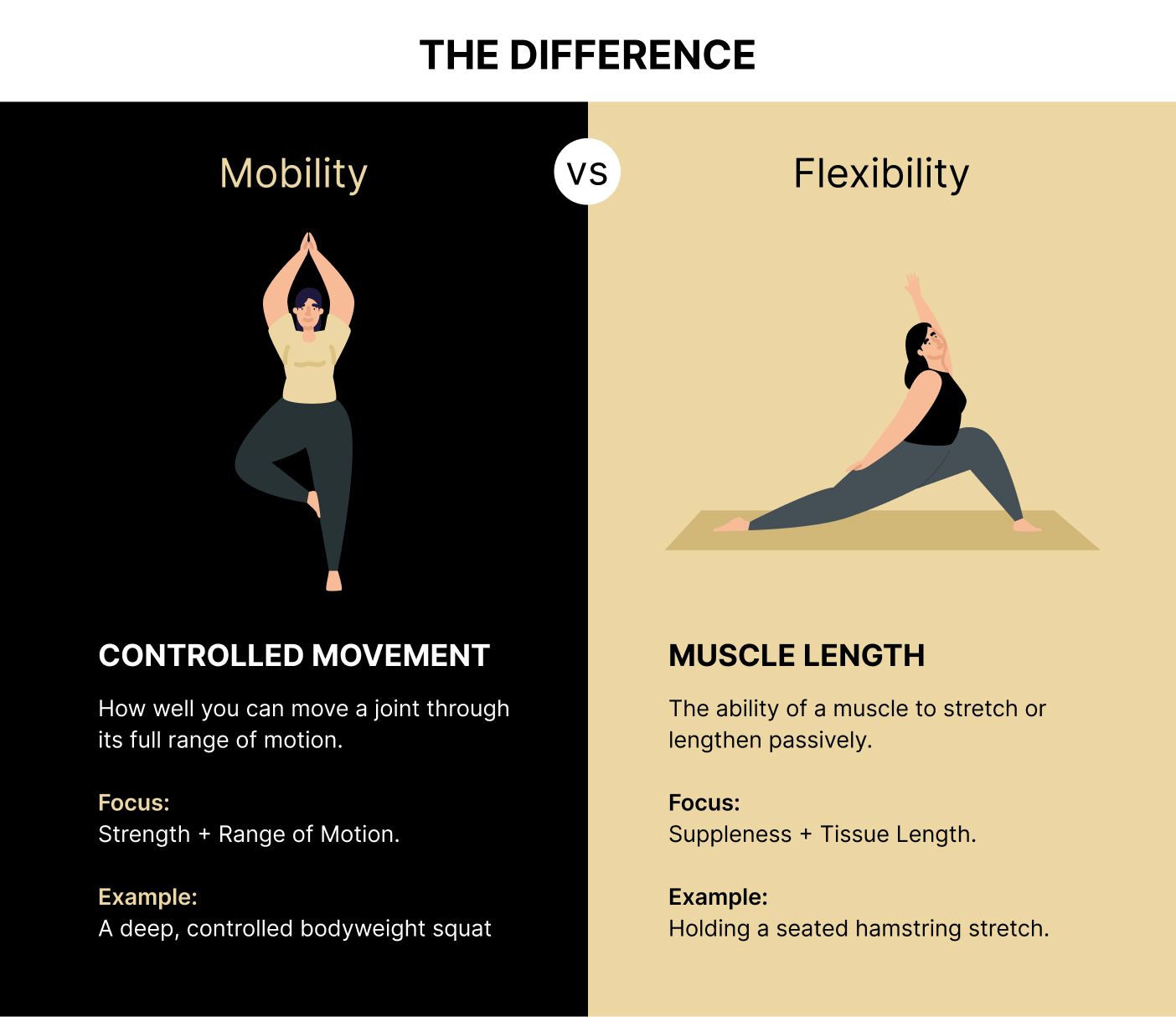
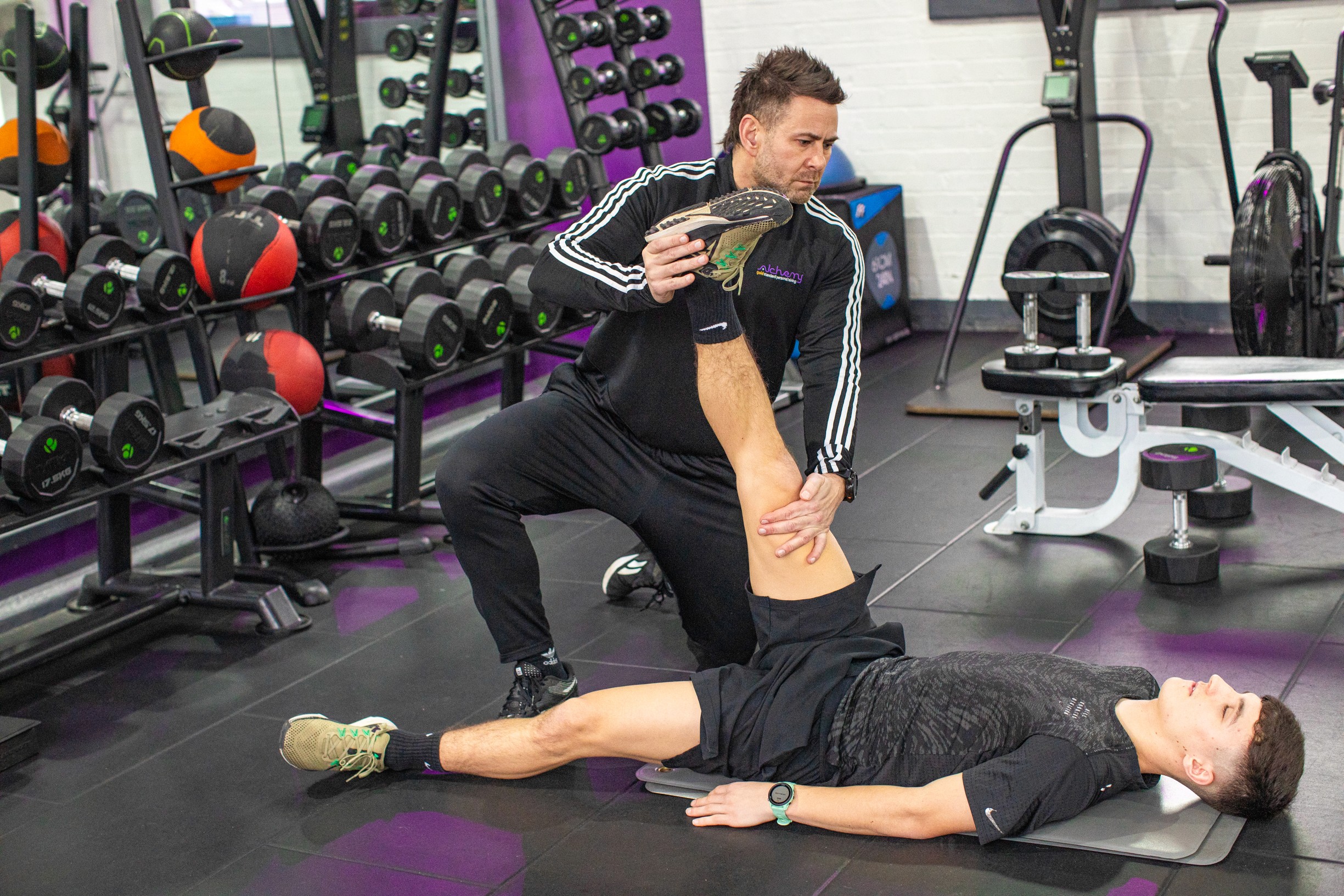
Flexibility refers to the passive length of a muscle. For example, if a personal trainer pushes your leg into a stretch, that is flexibility. Mobility, however, is active. It is the ability to control a joint throughout its entire range using your own muscular strength.
This distinction is vital for those who want to maintain an active lifestyle. Active control over your joints ensures that you can handle unexpected loads, such as a stumble on a trail or a heavy lift in the gym, without causing tissue damage.
15 Essential Mobility Exercises for Longevity
1. The Neck: Cervical Controlled Rotations
Purpose: To address stiffness and mitigate strain from extended screen time.
The Example: Stand with feet shoulder-width apart and core engaged. Slowly tuck your chin toward your chest and rotate your head in a full, controlled circle. Ensure the movement is deliberate to maintain tension in the surrounding musculature.
2. The Shoulders: Scapular Wall Slides
Purpose: Essential for overhead movement and shoulder blade health.
The Example: Stand with your back against a flat wall and place your arms in a goalpost position. Slowly slide your hands upward toward the ceiling while ensuring your elbows and wrists do not lose contact with the wall.
3. The Thoracic Spine: Side-Lying Windmills
Purpose: Improves the rotational capacity of the ribcage and mid-back.
The Example: Lie on your side with knees tucked to your chest. Reach your top arm in a large arc over your head and toward the floor behind you, following the hand with your eyes.
4. The Elbows: Weighted Forearm Rotations
Purpose: Builds strength in the muscles that stabilize the elbow joint.
The Example: Hold a light object like a water bottle at one end. Rest your forearm on a table and slowly rotate your palm up and then down to strengthen the surrounding tendons.
5. The Wrists: Quadruped Wrist Rocks
Purpose: Necessary for push-ups and preventing strain from typing.
The Example: On your hands and knees, turn your hands so the fingers point back toward your legs. Gently rock your hips toward your heels until you feel a stretch in the forearms.
6. The Spine: Segmental Cat-Cow
Purpose: Enhances the neurological connection between the brain and spinal column.
The Example: In a quadruped position, move one vertebra at a time starting from the tailbone until you reach the neck. Avoid moving the whole back as a single block.
7. The Hips: 90/90 Hip Switches
Purpose: Targets both internal and external hip rotation.
The Example: Sit on the floor with your legs bent at 90-degree angles, one in front and one to the side. Without using your hands, rotate your knees to the opposite side.
8. The Glutes: Active Pigeon Stretch
Purpose: Builds active strength in the hip stabilizers.
The Example: Assume the pigeon position with one leg folded in front. Actively press your front shin into the floor to engage the glutes, then slowly lower your chest and rise back up.
9. The Quads: Half-Kneeling Pelvic Tilts
Purpose: Targets the quadriceps and psoas without straining the lower back.
The Example: Kneel on one knee, tuck your tailbone under, and squeeze your glute on the kneeling side. This creates an intense stretch in the hip flexors.
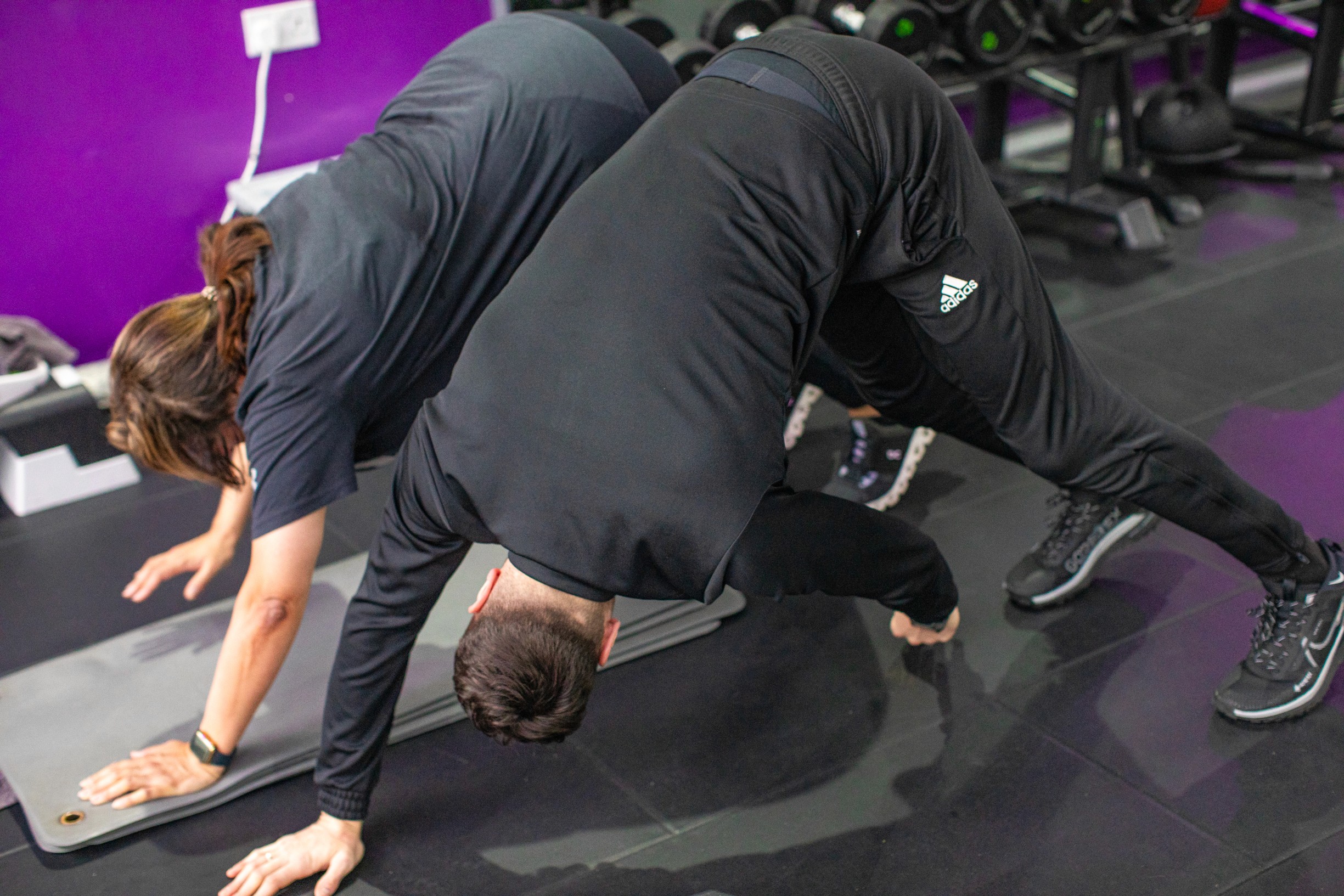
10. The Hamstrings: Elephant Walks
Purpose: Provides a dynamic stretch that improves the sliding capacity of the hamstrings.
The Example: Stand and fold forward, placing your hands on a bench. Keep your hands planted and alternate bending one knee while fully straightening the other.
11. The Knees: Terminal Knee Extensions
Purpose: Strengthens the vastus medialis to protect the kneecap.
The Example: Loop a resistance band behind your knee and anchor it to a stable post. Step back until there is tension, then straighten your leg fully against the band.
12. The Calves: Knee-Bent Wall Stretch
Purpose: Essential for maintaining a healthy gait while walking or running.
The Example: Lean against a wall with one foot back. Keep your heel on the floor but slightly bend the knee of the back leg to target the deeper soleus muscle.
13. The Ankles: Knee-to-Wall Touches
Purpose: Increases the dorsiflexion required for deep, functional squats.
The Example: Stand a few inches from a wall and drive your knee forward to touch it without letting your heel rise.
14. The Feet: Toe Splaying and Arch Lifts
Purpose: Builds the intrinsic foot strength needed for better balance.
The Example: While standing, spread your toes as wide as possible. Then, try to lift only your big toe while keeping the others pressed down.
15. The Pelvis: Dead Bug Progressions
Purpose: Teaches the pelvis to remain stable while the limbs move.
The Example: Lie on your back with legs on a tabletop. Slowly lower the opposite arm and leg toward the floor while keeping your lower back pressed firmly against the ground.
Why Professional Guidance is Beneficial
While these examples serve as a high-quality starting point, the specific needs of your body are unique. If you’re from Wilmslow and Alderley Edge, you’ll benefit from the personalised attention that only a professional can provide. A personal trainer can identify whether your lack of range is due to joint capsule tightness or muscular guarding.
At the same time, you’ll have access to an expert who can tailor these mobility exercises to your specific injury history. This professional oversight is what allows you to move from basic mobility to advanced strength training safely.
Table of Content