For a long time, the fitness world followed a strict rule: you either focus on losing weight (cutting) or gaining muscle (bulking). The idea was that you couldn’t do both at the same time because they required opposite caloric environments. However, body recomposition challenges this traditional approach.
We often see clients who want to change how their body looks without necessarily seeing a massive drop in the number on the scale. This is the essence of body recomposition. It is a fitness strategy that prioritizes losing body fat while simultaneously building lean muscle mass.
If you have ever reached a “plateau” where your weight stayed the same but your clothes started fitting better, you have likely experienced body recomposition. In this guide, we will break down the science behind this process and how you can achieve it through smart nutrition and structured training.
What Are the Basics of Body Recomposition
Standard weight loss usually involves a simple caloric deficit: eating fewer calories than you burn. While this helps you lose weight, that weight often comes from both fat and muscle. Body recomposition is different. The goal is to shift your body composition toward more lean tissue and less fat.
Instead of watching the scale, body recomposition focuses on:
Body Fat Percentage: Reducing the amount of stored fat.
Lean Muscle Mass: Increasing or maintaining muscle tissue.
Functional Strength: Improving how your body performs during daily tasks and workouts.
Because muscle is much denser than fat, your physical appearance can change significantly even if your weight remains stable. This is why a personal trainer often recommends taking progress photos and measurements rather than relying solely on a weighing scale.
How Does Resistance Training Drive Muscle Growth
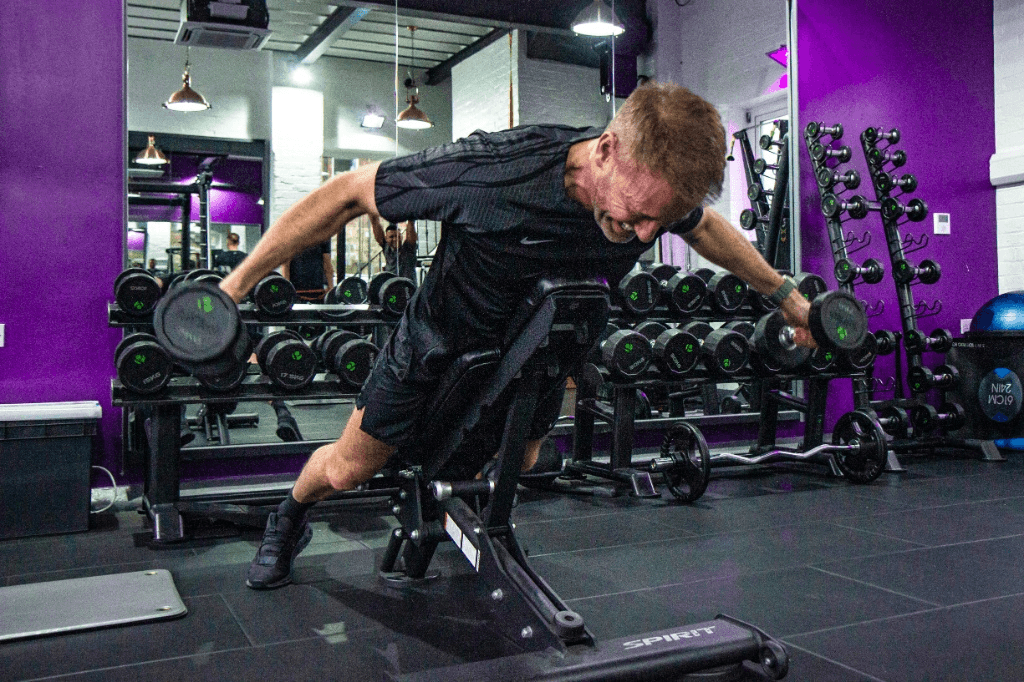
You cannot build muscle without giving your body a reason to grow. To achieve body recomposition, you need to engage in regular strength training that challenges your muscles.
Master Progressive Overload
This means gradually increasing the difficulty of your workouts. You can do this by:
Increasing the weight you lift.
Performing more repetitions.
Shortening rest periods between sets.
Improving your form and range of motion during exercise.
Focus on Compound Movements
These are movements that use multiple joints and muscle groups at once, such as squats, deadlifts, presses, and rows. When you work with a personal trainer in Wilmslow, your programme will likely revolve around these foundational lifts, as they offer the best “bang for your buck” in terms of metabolic demand and muscle recruitment.
Maintain Training Consistency
To see results, you should aim for at least three to five strength training sessions per week. Consistency is key because muscle protein synthesis, the process of repairing and building muscle, remains elevated for about 24 to 48 hours after a workout.
How Should You Eat to Build Muscle and Lose Fat Simultaneously
Nutrition is often the most confusing part of body recomposition. You need enough energy to build muscle, but not so much that your body stores it as fat.
Find Your “Maintenance” Calories
For body recomposition, many people find success by eating at a “maintenance” calorie level. This is the number of calories your body needs to maintain its current weight. By eating at maintenance while training hard, your body begins to use stored fat as an energy source to fuel muscle building.
Some people, particularly those new to training or those with a higher starting body fat percentage, can even achieve this in a slight caloric deficit (around 200–300 calories below maintenance).
Prioritize Your Protein Intake
Protein is the most critical macronutrient for body recomposition. It provides the amino acids necessary to repair the muscle tissue you break down during training.
Research suggests that for body recomposition, protein intake should be higher than standard recommendations. Aiming for 1.6 to 2.2 grams of protein per kilogram of body weight is a good starting point. High-protein diets also have a higher thermic effect, meaning your body burns more calories digesting protein than it does fats or carbohydrates. It also helps you feel full, making it easier to manage your overall intake.
Balance Your Carbs and Fats
While protein is the priority, carbohydrates and fats are still necessary. Carbohydrates provide the glucose needed for high-intensity training sessions. Fats are essential for hormone production, including testosterone and growth hormone, which play a major role in muscle development.
Why a “Skinny Fat” Physique Benefits Most
The term “skinny fat” usually refers to individuals who have a relatively low body weight but a high body fat percentage and low muscle mass. For these individuals, a traditional “cut” (a heavy caloric deficit) can leave them feeling weak and even more depleted.
Body recomposition is the ideal solution here. By focusing on building muscle and eating at maintenance, these individuals can fill out their frame with lean tissue while naturally losing body fat. If you are starting your journey in Alderley Edge, a structured fitness programme focusing on body recomposition can help you build a stronger, more defined physique without the need for extreme dieting.
The Importance of Recovery and Sleep
Muscle doesn’t grow while you are in the gym; it grows while you are resting. During a body recomposition phase, your body is under significant stress as it tries to manage two demanding processes at once.
Sleep is when your body undergoes the majority of its repair. Lack of sleep increases cortisol (a stress hormone), which can encourage fat storage and make it harder to build muscle. Aim for 7 to 9 hours of quality sleep per night to ensure your efforts in the gym and kitchen don’t go to waste.
How Long Does Body Recomposition Take
Body recomposition is a slow process. Because you are not chasing a specific weight goal, you won’t see the scale drop by several pounds every week. It requires patience and a long-term mindset.
Most people begin to see noticeable changes in their body shape and strength within 8 to 12 weeks of consistent effort. However, the best results often come after six months to a year of dedicated training and nutrition.

Final Thoughts on Body Recomposition
Body recomposition is a sustainable and effective way to improve your physique. By moving away from the “all or nothing” mentality of bulking and cutting, you can build a body that is both lean and strong.
Remember, the formula is straightforward but requires discipline:
Prioritize resistance training with progressive overload.
Keep protein intake high to support muscle growth.
Eat at or near maintenance calories.
Get plenty of rest and stay consistent.
Focus on how you feel, how your clothes fit, and how much weight you can lift. Over time, the results will speak for themselves.
Table of Content