PRIVATE GYM OPEN 7 DAYS A WEEK IN WILMSLOW AND ALDERLEY EDGE, CHESHIRE.

What is Lean Body Mass? Meaning, Importance, & How to Calculate

What is Lean Body Mass? Meaning, Importance, & How to Calculate

Feb 13, 2026

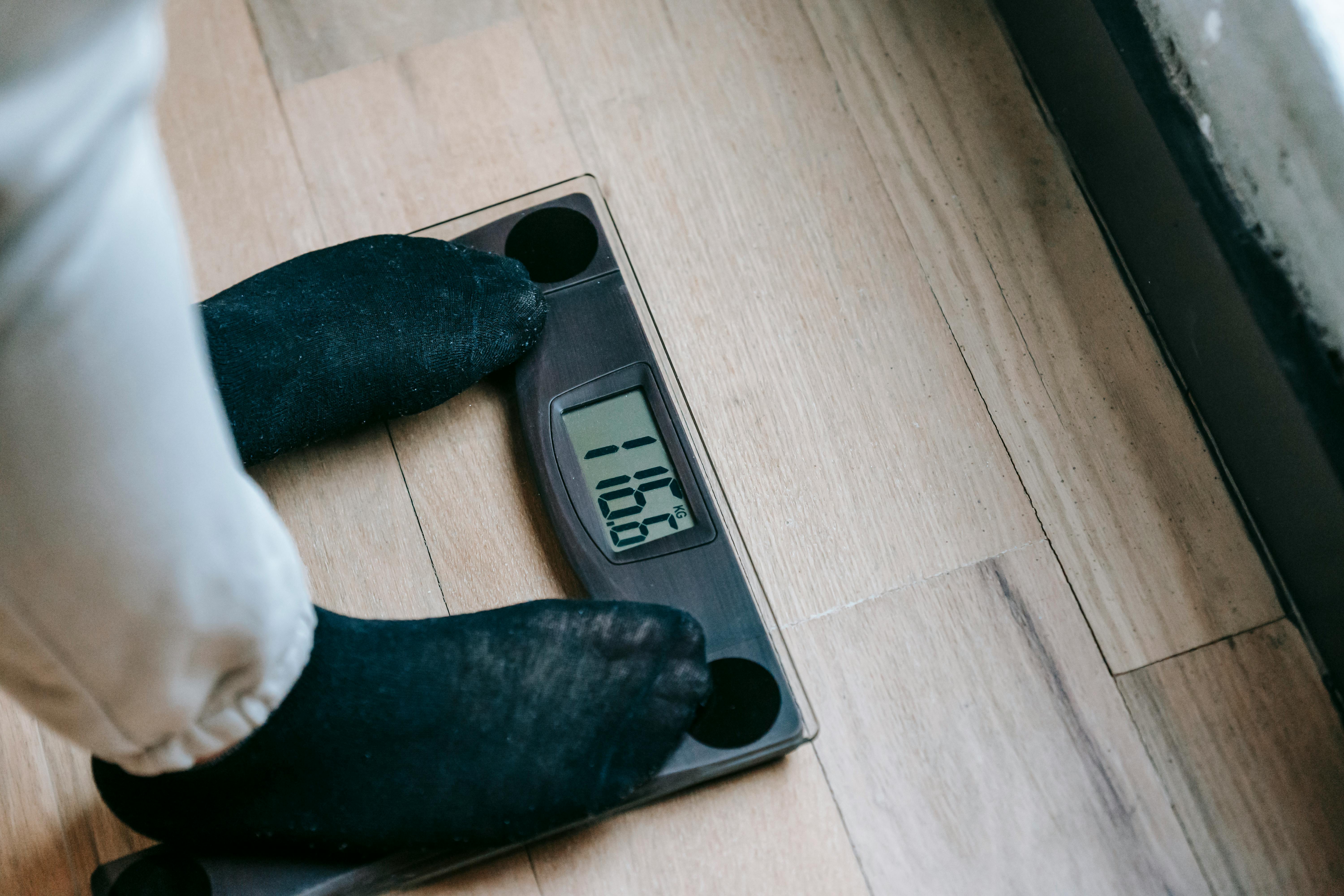
A man on a weighing scale to measure body mass

If you are working on your fitness routine, you’ve probably encountered the term “lean body mass” (LBM) thrown around in workouts or nutrition guides. At first, it might sound like another piece of gym jargon, but it’s actually a key indicator of progress in body composition.

It’s one reason our personal trainers make it a priority to explain lean body mass to every client, so they can plan workouts or a diet that actually suits their build.

To know more about what it is, why it matters, and how you can calculate your own LBM, this guide is for you.

What’s Really in Your Lean Body Mass?

Lean body mass is everything in your body that is not fat.

Many people think LBM means muscle only, when in fact, it is just a part of it. Your lean body mass is made up of all the living, working tissues that keep you alive and functioning every day.

To understand it more clearly, it helps to compare it with similar terms.

Lean Body Mass vs. Muscle Mass vs. Fat-free Mass

In health and wellness, you will often hear lean body mass, muscle mass, and fat-free mass. They sound almost identical, so many assume they all mean the same thing, but they do not.

Here is a simple comparison between the three:

Term

Includes

Does Not Include

Lean Body Mass

Muscle, bones, organs, connective tissues, and body fluid

Body Fat

Muscle Mass

Skeletal Muscle

Everything else

Fat-Free Mass (FFM)

Everything except essential fats

Lipins around the skin and organs

Lean Body Mass

Understanding LBM is like learning the real foundation of your body. It tells you how much of your system is actively contributing to strength, movement, metabolism, and organ function.

One common point of confusion is that LBM can fluctuate based on fluid intake. Considering that body water is included in this category, even small changes in hydration can quickly shift your LBM reading.

That’s why daily scale changes don’t always reflect actual muscle gain or loss.

Muscle Mass

This identification is far more specific. Muscle mass focuses only on skeletal tissues that are responsible for movement, posture, and strength.

However, many people use lean body mass and muscle mass interchangeably. But they are not the same. Muscle mass is just one component within LBM.

If your goal is strength training or toning, this is usually the metric you need to monitor. It reflects physical training adaptations more directly than LBM does.

Fat-Free Mass

FFM is nearly identical to lean body mass, and in context, they refer to almost the same thing. There is just a very small technical difference.

In clinical and research settings, FFM removes all fat mass according to scientific standards. This includes not just stored but also essential ones that exist within organs, cells, and tissues. These bioactive lipids are necessary for survival, but from a measurement standpoint, they are still classified as “fat” and therefore excluded from FFM.
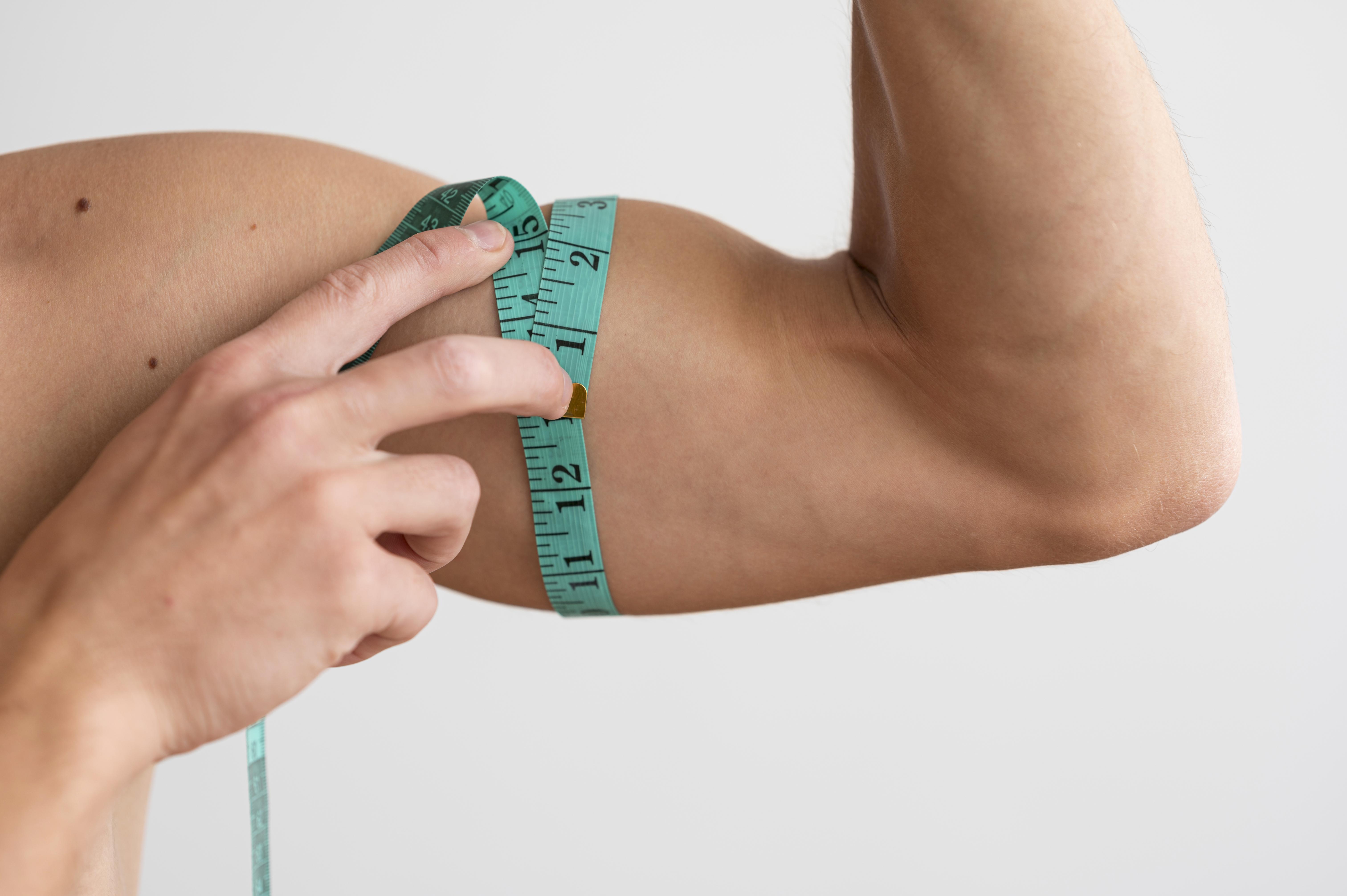
A man measuring his bicep with tape

Why Lean Body Mass Matters

Maintaining a higher proportion of lean tissues in your body is one of the strongest predictors of physical capacity, resilience, and healthy ageing. The more you preserve and build it, the more support your body has for productivity and recovery over time.

Here’s how LBM affects your body day to day:

Metabolic Boost and Calorie Burn

Even when you are sitting still, breathing, or sleeping, your body is still busy. It is burning calories to:

  • Pump blood

  • Regulate temperature

  • Repair tissues

  • Support brain function

  • Maintain organ activity

This baseline energy use is called resting metabolic rate. The more lean body mass you have, the more calories your body burns naturally throughout the day.

However, this does not mean you can eat anything without consequences. But it does mean your body becomes more metabolically efficient.

Strength and Mobility

Higher lean body mass also improves muscular endurance. That means your muscles fatigue slowly and can do more without feeling easily drained.

In the long run, this contributes to higher overall energy levels. Not because you suddenly have more willpower, but because your body is physically more capable. 

Blood Sugar Control

Lean body mass plays an important role in how your body handles carbohydrates.

Muscle tissues act as a storage site for glucose. After you eat carbs, your muscles help absorb and reserve glucose for energy. Therefore, if your LBM is low, your body has less capacity to manage blood sugar properly, while higher lean body mass improves insulin sensitivity, supporting reduced cravings and a lower risk of type 2 diabetes.

Ageing and Longevity

As people age, they naturally lose lean body mass if they do not actively maintain it. This loss affects:

Maintaining higher LBM in later years changes this experience dramatically. People who have preserved more lean tissues tend to:

  • Experience fewer falls

  • Recover faster from illness

  • Maintain daily function longer.

This is why the earlier you begin prioritising body composition, the healthier your foundation becomes for later decades of life.

Factors That Influence Lean Body Mass

Your LBM isn’t fixed. Several factors can influence how much lean tissue your body carries, such as:

  • Genetics: Determine your natural muscle size, body frame, and metabolic rate, which affect how easily you can gain and keep lean body mass.

  • Age: From your 30s onwards, your muscle volume gradually declines by roughly 3 to 5% per decade without strength training, making resistance exercise and adequate protein essential for preservation.

  • Diet: Eating enough calories and nutrient-dense foods provides the building blocks your body needs to repair, grow, and retain lean tissues.

  • Lifestyle: Quality sleep, stress management, hydration, and daily movement all support performance and help maintain your LBM over time.

  • Hormones: Testosterone, growth hormones, and insulin regulate muscle growth and reconstruction, directly affecting how efficiently your body builds and retains muscle while ageing.

How To Calculate Lean Body Mass
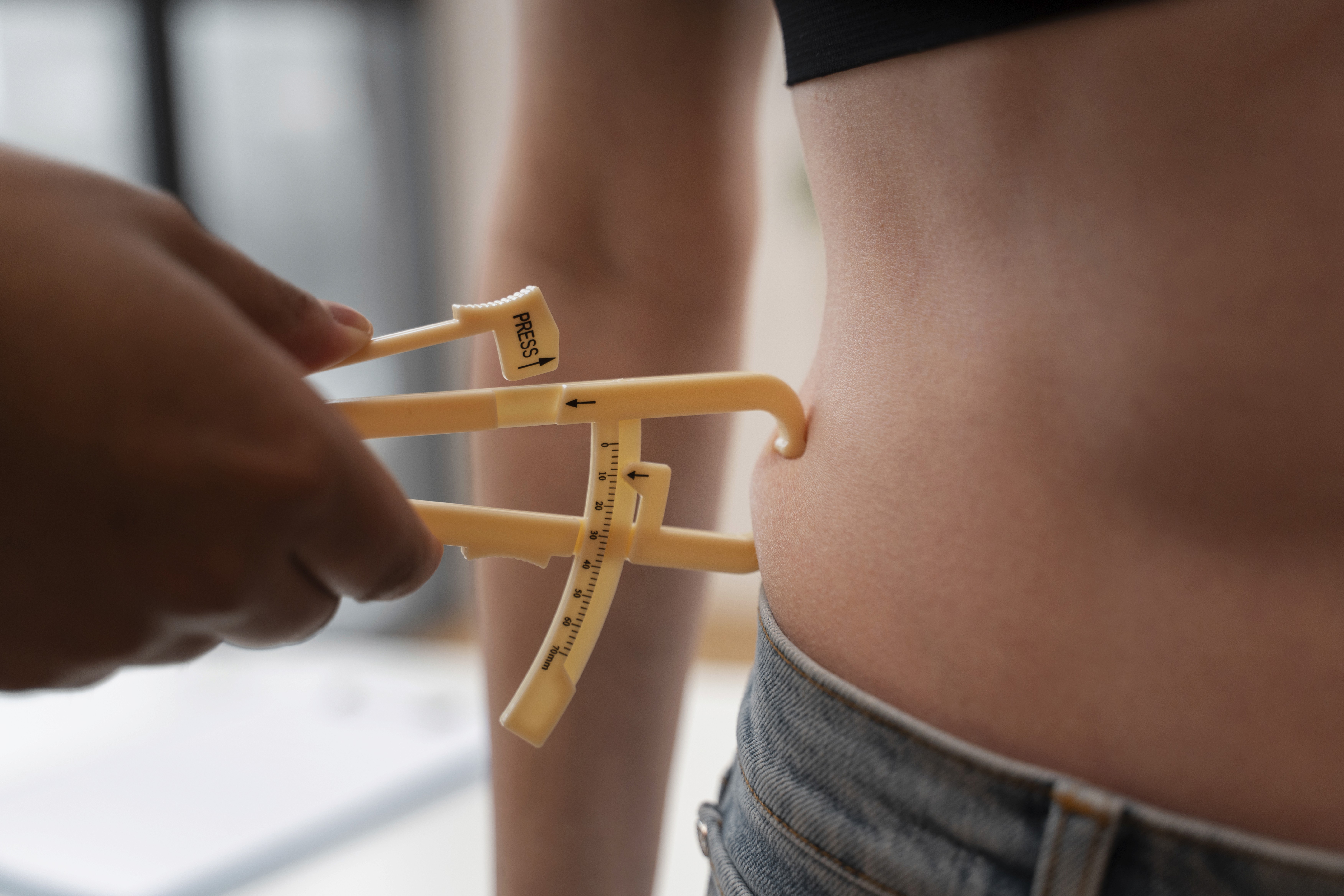
A doctor using an adipometer to calculate lean body mass

If you know your weight and body fat percentage, calculating your LBM is straightforward. Here are two simple ways you can do:

Subtracting Fat Mass from Total Body Weight

Formula:

LBM = Total Body Weight - Fat Mass

Step-by-step example:

  • Your total body weight = 70 kg

  • Your body fat = 20%

Step 1: Convert body fat percentage into fat mass

20% of 70 kg = 14 kg fat mass

Step 2: Subtract fat mass from total weight

70 kg - 14 kg = 56 kg lean body mass

Multiply by Non-Fat Percentage

Formula:

LBM = Total Body Weight x (1 - Body Fat Percentage)

Step-by-step example:

  • Your total body weight = 70 kg

  • Your body fat = 20%

Step 1: Convert body percentage into non-fat percentage

1 - 0.20 = 0.80

Step 2: Multiply total body weight by non-fat percentage

70 kg x 0.80 = 56 kg lean body mass

Methods to Determine Lean Body Mass

While calculations can give you a good estimate, there are also direct measurement ways that provide a more precise and detailed picture of your body structure, such as:

Bioelectrical Impedance Analysis (BIA)

BIA is one of the most accessible methods for measuring lean body mass, using a safe, low-level electrical current that passes through your body. Electricity flows more easily through water and muscle than fat, which allows the device to estimate how much of your physical composition is made up of lean tissue.

Dual-Energy X-ray Absorptiometry (DEXA) Scan

DEXA is considered the gold standard for measuring LBM. It works by using a low-dose X-ray to separate types of body matter, allowing you to see the exact distribution of muscles, bones, and fats throughout your arms, legs, and torso. This level of detail is especially useful for people who want to monitor recovery after injury or track progress in training programs.

Hydrostatic Weighing

Hydrostatic weight, often called underwater weighing, involves being submerged in water to determine density. By comparing your weight on land to your weight underwater, the test can estimate how much of your body is fat versus other components. 

Skinfold Testing

Skinfold testing involves gently pinching the skin using calipers to determine the thickness of subcutaneous fat. Measurements are typically taken at three to seven points of the body. This information is then used to estimate the proportion of fats compared to muscles, bones, and water.

The reliability of the results depends on the skill of the person conducting the test, and it may be less effective for individuals who are extremely lean or have a higher body fat percentage.

Skinfold Testing

MRI (Magnetic Resonance Imaging) and CT (Computed Tomography) scans are advanced imaging techniques that create detailed cross-sectional images of a person’s physical structure. They allow specialists to see the amount and arrangement of lean body mass with great clarity.

Though they may provide detailed results, they can be costly, require specialised equipment, and are generally used in professional and medical settings rather than for everyday tracking.
A doctor using an adipometer to calculate lean body mass

How to Grow Your LBM

Wondering how to build more lean body mass? Here’s what our personal trainers in Wilmslow and Alderley Edge focus on when helping members reach their goals:

  • Strength-focused Workouts: Do 2 to 4 full-body sessions per week to engage all major muscle groups and trigger growth. Gradually increasing weights, reps, or sets to ensure your muscles continue adapting over time.

  • Protein for Performance: Prioritise high-quality protein sources such as lean meats, fish, eggs, and legumes to support muscle growth and recovery. 

  • Moderate Calorie Deficit: Reduce calories by 15 to 25% when aiming to lose fat while preserving muscle tissue. A moderate deficit prevents energy shortfalls that could compromise recovery and lean mass retention.

  • Make Rest a Priority: Aim for 7 to 9 hours of quality sleep per night to support muscle repair and hormone regulation.

  • Measure and Adjust: Reassess body composition every 8 to 12 weeks to track progress and adapt your workout plan. 

Elevate Your Body Composition

Understanding your lean body mass changes the way you look at your health and training. The scale only tells you how much you weigh, while LBM tells you what that weight actually represents, making smarter decisions for your nutrition and exercises instead of relying on generic plans.

That’s exactly how our personal trainers approach each programme. Your lean body mass becomes the starting point for designing your fitness transformation, so every session works toward helping you develop and maintain LBM in the most effective way possible.

If you are working on your fitness routine, you’ve probably encountered the term “lean body mass” (LBM) thrown around in workouts or nutrition guides. At first, it might sound like another piece of gym jargon, but it’s actually a key indicator of progress in body composition.

It’s one reason our personal trainers make it a priority to explain lean body mass to every client, so they can plan workouts or a diet that actually suits their build.

To know more about what it is, why it matters, and how you can calculate your own LBM, this guide is for you.

What’s Really in Your Lean Body Mass?

Lean body mass is everything in your body that is not fat.

Many people think LBM means muscle only, when in fact, it is just a part of it. Your lean body mass is made up of all the living, working tissues that keep you alive and functioning every day.

To understand it more clearly, it helps to compare it with similar terms.

Lean Body Mass vs. Muscle Mass vs. Fat-free Mass

In health and wellness, you will often hear lean body mass, muscle mass, and fat-free mass. They sound almost identical, so many assume they all mean the same thing, but they do not.

Here is a simple comparison between the three:

Term

Includes

Does Not Include

Lean Body Mass

Muscle, bones, organs, connective tissues, and body fluid

Body Fat

Muscle Mass

Skeletal Muscle

Everything else

Fat-Free Mass (FFM)

Everything except essential fats

Lipins around the skin and organs

Lean Body Mass

Understanding LBM is like learning the real foundation of your body. It tells you how much of your system is actively contributing to strength, movement, metabolism, and organ function.

One common point of confusion is that LBM can fluctuate based on fluid intake. Considering that body water is included in this category, even small changes in hydration can quickly shift your LBM reading.

That’s why daily scale changes don’t always reflect actual muscle gain or loss.

Muscle Mass

This identification is far more specific. Muscle mass focuses only on skeletal tissues that are responsible for movement, posture, and strength.

However, many people use lean body mass and muscle mass interchangeably. But they are not the same. Muscle mass is just one component within LBM.

If your goal is strength training or toning, this is usually the metric you need to monitor. It reflects physical training adaptations more directly than LBM does.

Fat-Free Mass

FFM is nearly identical to lean body mass, and in context, they refer to almost the same thing. There is just a very small technical difference.

In clinical and research settings, FFM removes all fat mass according to scientific standards. This includes not just stored but also essential ones that exist within organs, cells, and tissues. These bioactive lipids are necessary for survival, but from a measurement standpoint, they are still classified as “fat” and therefore excluded from FFM.

A man measuring his bicep with tape

Why Lean Body Mass Matters

Maintaining a higher proportion of lean tissues in your body is one of the strongest predictors of physical capacity, resilience, and healthy ageing. The more you preserve and build it, the more support your body has for productivity and recovery over time.

Here’s how LBM affects your body day to day:

Metabolic Boost and Calorie Burn

Even when you are sitting still, breathing, or sleeping, your body is still busy. It is burning calories to:

  • Pump blood

  • Regulate temperature

  • Repair tissues

  • Support brain function

  • Maintain organ activity

This baseline energy use is called resting metabolic rate. The more lean body mass you have, the more calories your body burns naturally throughout the day.

However, this does not mean you can eat anything without consequences. But it does mean your body becomes more metabolically efficient.

Strength and Mobility

Higher lean body mass also improves muscular endurance. That means your muscles fatigue slowly and can do more without feeling easily drained.

In the long run, this contributes to higher overall energy levels. Not because you suddenly have more willpower, but because your body is physically more capable. 

Blood Sugar Control

Lean body mass plays an important role in how your body handles carbohydrates.

Muscle tissues act as a storage site for glucose. After you eat carbs, your muscles help absorb and reserve glucose for energy. Therefore, if your LBM is low, your body has less capacity to manage blood sugar properly, while higher lean body mass improves insulin sensitivity, supporting reduced cravings and a lower risk of type 2 diabetes.

Ageing and Longevity

As people age, they naturally lose lean body mass if they do not actively maintain it. This loss affects:

Maintaining higher LBM in later years changes this experience dramatically. People who have preserved more lean tissues tend to:

  • Experience fewer falls

  • Recover faster from illness

  • Maintain daily function longer.

This is why the earlier you begin prioritising body composition, the healthier your foundation becomes for later decades of life.

Factors That Influence Lean Body Mass

Your LBM isn’t fixed. Several factors can influence how much lean tissue your body carries, such as:

  • Genetics: Determine your natural muscle size, body frame, and metabolic rate, which affect how easily you can gain and keep lean body mass.

  • Age: From your 30s onwards, your muscle volume gradually declines by roughly 3 to 5% per decade without strength training, making resistance exercise and adequate protein essential for preservation.

  • Diet: Eating enough calories and nutrient-dense foods provides the building blocks your body needs to repair, grow, and retain lean tissues.

  • Lifestyle: Quality sleep, stress management, hydration, and daily movement all support performance and help maintain your LBM over time.

  • Hormones: Testosterone, growth hormones, and insulin regulate muscle growth and reconstruction, directly affecting how efficiently your body builds and retains muscle while ageing.

How To Calculate Lean Body Mass

A doctor using an adipometer to calculate lean body mass

If you know your weight and body fat percentage, calculating your LBM is straightforward. Here are two simple ways you can do:

Subtracting Fat Mass from Total Body Weight

Formula:

LBM = Total Body Weight - Fat Mass

Step-by-step example:

  • Your total body weight = 70 kg

  • Your body fat = 20%

Step 1: Convert body fat percentage into fat mass

20% of 70 kg = 14 kg fat mass

Step 2: Subtract fat mass from total weight

70 kg - 14 kg = 56 kg lean body mass

Multiply by Non-Fat Percentage

Formula:

LBM = Total Body Weight x (1 - Body Fat Percentage)

Step-by-step example:

  • Your total body weight = 70 kg

  • Your body fat = 20%

Step 1: Convert body percentage into non-fat percentage

1 - 0.20 = 0.80

Step 2: Multiply total body weight by non-fat percentage

70 kg x 0.80 = 56 kg lean body mass

Methods to Determine Lean Body Mass

While calculations can give you a good estimate, there are also direct measurement ways that provide a more precise and detailed picture of your body structure, such as:

Bioelectrical Impedance Analysis (BIA)

BIA is one of the most accessible methods for measuring lean body mass, using a safe, low-level electrical current that passes through your body. Electricity flows more easily through water and muscle than fat, which allows the device to estimate how much of your physical composition is made up of lean tissue.

Dual-Energy X-ray Absorptiometry (DEXA) Scan

DEXA is considered the gold standard for measuring LBM. It works by using a low-dose X-ray to separate types of body matter, allowing you to see the exact distribution of muscles, bones, and fats throughout your arms, legs, and torso. This level of detail is especially useful for people who want to monitor recovery after injury or track progress in training programs.

Hydrostatic Weighing

Hydrostatic weight, often called underwater weighing, involves being submerged in water to determine density. By comparing your weight on land to your weight underwater, the test can estimate how much of your body is fat versus other components. 

Skinfold Testing

Skinfold testing involves gently pinching the skin using calipers to determine the thickness of subcutaneous fat. Measurements are typically taken at three to seven points of the body. This information is then used to estimate the proportion of fats compared to muscles, bones, and water.

The reliability of the results depends on the skill of the person conducting the test, and it may be less effective for individuals who are extremely lean or have a higher body fat percentage.

Skinfold Testing

MRI (Magnetic Resonance Imaging) and CT (Computed Tomography) scans are advanced imaging techniques that create detailed cross-sectional images of a person’s physical structure. They allow specialists to see the amount and arrangement of lean body mass with great clarity.

Though they may provide detailed results, they can be costly, require specialised equipment, and are generally used in professional and medical settings rather than for everyday tracking.

A doctor using an adipometer to calculate lean body mass

How to Grow Your LBM

Wondering how to build more lean body mass? Here’s what our personal trainers in Wilmslow and Alderley Edge focus on when helping members reach their goals:

  • Strength-focused Workouts: Do 2 to 4 full-body sessions per week to engage all major muscle groups and trigger growth. Gradually increasing weights, reps, or sets to ensure your muscles continue adapting over time.

  • Protein for Performance: Prioritise high-quality protein sources such as lean meats, fish, eggs, and legumes to support muscle growth and recovery. 

  • Moderate Calorie Deficit: Reduce calories by 15 to 25% when aiming to lose fat while preserving muscle tissue. A moderate deficit prevents energy shortfalls that could compromise recovery and lean mass retention.

  • Make Rest a Priority: Aim for 7 to 9 hours of quality sleep per night to support muscle repair and hormone regulation.

  • Measure and Adjust: Reassess body composition every 8 to 12 weeks to track progress and adapt your workout plan. 

Elevate Your Body Composition

Understanding your lean body mass changes the way you look at your health and training. The scale only tells you how much you weigh, while LBM tells you what that weight actually represents, making smarter decisions for your nutrition and exercises instead of relying on generic plans.

That’s exactly how our personal trainers approach each programme. Your lean body mass becomes the starting point for designing your fitness transformation, so every session works toward helping you develop and maintain LBM in the most effective way possible.

If you are working on your fitness routine, you’ve probably encountered the term “lean body mass” (LBM) thrown around in workouts or nutrition guides. At first, it might sound like another piece of gym jargon, but it’s actually a key indicator of progress in body composition.

It’s one reason our personal trainers make it a priority to explain lean body mass to every client, so they can plan workouts or a diet that actually suits their build.

To know more about what it is, why it matters, and how you can calculate your own LBM, this guide is for you.

What’s Really in Your Lean Body Mass?

Lean body mass is everything in your body that is not fat.

Many people think LBM means muscle only, when in fact, it is just a part of it. Your lean body mass is made up of all the living, working tissues that keep you alive and functioning every day.

To understand it more clearly, it helps to compare it with similar terms.

Lean Body Mass vs. Muscle Mass vs. Fat-free Mass

In health and wellness, you will often hear lean body mass, muscle mass, and fat-free mass. They sound almost identical, so many assume they all mean the same thing, but they do not.

Here is a simple comparison between the three:

Term

Includes

Does Not Include

Lean Body Mass

Muscle, bones, organs, connective tissues, and body fluid

Body Fat

Muscle Mass

Skeletal Muscle

Everything else

Fat-Free Mass (FFM)

Everything except essential fats

Lipins around the skin and organs

Lean Body Mass

Understanding LBM is like learning the real foundation of your body. It tells you how much of your system is actively contributing to strength, movement, metabolism, and organ function.

One common point of confusion is that LBM can fluctuate based on fluid intake. Considering that body water is included in this category, even small changes in hydration can quickly shift your LBM reading.

That’s why daily scale changes don’t always reflect actual muscle gain or loss.

Muscle Mass

This identification is far more specific. Muscle mass focuses only on skeletal tissues that are responsible for movement, posture, and strength.

However, many people use lean body mass and muscle mass interchangeably. But they are not the same. Muscle mass is just one component within LBM.

If your goal is strength training or toning, this is usually the metric you need to monitor. It reflects physical training adaptations more directly than LBM does.

Fat-Free Mass

FFM is nearly identical to lean body mass, and in context, they refer to almost the same thing. There is just a very small technical difference.

In clinical and research settings, FFM removes all fat mass according to scientific standards. This includes not just stored but also essential ones that exist within organs, cells, and tissues. These bioactive lipids are necessary for survival, but from a measurement standpoint, they are still classified as “fat” and therefore excluded from FFM.

A man measuring his bicep with tape

Why Lean Body Mass Matters

Maintaining a higher proportion of lean tissues in your body is one of the strongest predictors of physical capacity, resilience, and healthy ageing. The more you preserve and build it, the more support your body has for productivity and recovery over time.

Here’s how LBM affects your body day to day:

Metabolic Boost and Calorie Burn

Even when you are sitting still, breathing, or sleeping, your body is still busy. It is burning calories to:

  • Pump blood

  • Regulate temperature

  • Repair tissues

  • Support brain function

  • Maintain organ activity

This baseline energy use is called resting metabolic rate. The more lean body mass you have, the more calories your body burns naturally throughout the day.

However, this does not mean you can eat anything without consequences. But it does mean your body becomes more metabolically efficient.

Strength and Mobility

Higher lean body mass also improves muscular endurance. That means your muscles fatigue slowly and can do more without feeling easily drained.

In the long run, this contributes to higher overall energy levels. Not because you suddenly have more willpower, but because your body is physically more capable. 

Blood Sugar Control

Lean body mass plays an important role in how your body handles carbohydrates.

Muscle tissues act as a storage site for glucose. After you eat carbs, your muscles help absorb and reserve glucose for energy. Therefore, if your LBM is low, your body has less capacity to manage blood sugar properly, while higher lean body mass improves insulin sensitivity, supporting reduced cravings and a lower risk of type 2 diabetes.

Ageing and Longevity

As people age, they naturally lose lean body mass if they do not actively maintain it. This loss affects:

Maintaining higher LBM in later years changes this experience dramatically. People who have preserved more lean tissues tend to:

  • Experience fewer falls

  • Recover faster from illness

  • Maintain daily function longer.

This is why the earlier you begin prioritising body composition, the healthier your foundation becomes for later decades of life.

Factors That Influence Lean Body Mass

Your LBM isn’t fixed. Several factors can influence how much lean tissue your body carries, such as:

  • Genetics: Determine your natural muscle size, body frame, and metabolic rate, which affect how easily you can gain and keep lean body mass.

  • Age: From your 30s onwards, your muscle volume gradually declines by roughly 3 to 5% per decade without strength training, making resistance exercise and adequate protein essential for preservation.

  • Diet: Eating enough calories and nutrient-dense foods provides the building blocks your body needs to repair, grow, and retain lean tissues.

  • Lifestyle: Quality sleep, stress management, hydration, and daily movement all support performance and help maintain your LBM over time.

  • Hormones: Testosterone, growth hormones, and insulin regulate muscle growth and reconstruction, directly affecting how efficiently your body builds and retains muscle while ageing.

How To Calculate Lean Body Mass

A doctor using an adipometer to calculate lean body mass

If you know your weight and body fat percentage, calculating your LBM is straightforward. Here are two simple ways you can do:

Subtracting Fat Mass from Total Body Weight

Formula:

LBM = Total Body Weight - Fat Mass

Step-by-step example:

  • Your total body weight = 70 kg

  • Your body fat = 20%

Step 1: Convert body fat percentage into fat mass

20% of 70 kg = 14 kg fat mass

Step 2: Subtract fat mass from total weight

70 kg - 14 kg = 56 kg lean body mass

Multiply by Non-Fat Percentage

Formula:

LBM = Total Body Weight x (1 - Body Fat Percentage)

Step-by-step example:

  • Your total body weight = 70 kg

  • Your body fat = 20%

Step 1: Convert body percentage into non-fat percentage

1 - 0.20 = 0.80

Step 2: Multiply total body weight by non-fat percentage

70 kg x 0.80 = 56 kg lean body mass

Methods to Determine Lean Body Mass

While calculations can give you a good estimate, there are also direct measurement ways that provide a more precise and detailed picture of your body structure, such as:

Bioelectrical Impedance Analysis (BIA)

BIA is one of the most accessible methods for measuring lean body mass, using a safe, low-level electrical current that passes through your body. Electricity flows more easily through water and muscle than fat, which allows the device to estimate how much of your physical composition is made up of lean tissue.

Dual-Energy X-ray Absorptiometry (DEXA) Scan

DEXA is considered the gold standard for measuring LBM. It works by using a low-dose X-ray to separate types of body matter, allowing you to see the exact distribution of muscles, bones, and fats throughout your arms, legs, and torso. This level of detail is especially useful for people who want to monitor recovery after injury or track progress in training programs.

Hydrostatic Weighing

Hydrostatic weight, often called underwater weighing, involves being submerged in water to determine density. By comparing your weight on land to your weight underwater, the test can estimate how much of your body is fat versus other components. 

Skinfold Testing

Skinfold testing involves gently pinching the skin using calipers to determine the thickness of subcutaneous fat. Measurements are typically taken at three to seven points of the body. This information is then used to estimate the proportion of fats compared to muscles, bones, and water.

The reliability of the results depends on the skill of the person conducting the test, and it may be less effective for individuals who are extremely lean or have a higher body fat percentage.

Skinfold Testing

MRI (Magnetic Resonance Imaging) and CT (Computed Tomography) scans are advanced imaging techniques that create detailed cross-sectional images of a person’s physical structure. They allow specialists to see the amount and arrangement of lean body mass with great clarity.

Though they may provide detailed results, they can be costly, require specialised equipment, and are generally used in professional and medical settings rather than for everyday tracking.

A doctor using an adipometer to calculate lean body mass

How to Grow Your LBM

Wondering how to build more lean body mass? Here’s what our personal trainers in Wilmslow and Alderley Edge focus on when helping members reach their goals:

  • Strength-focused Workouts: Do 2 to 4 full-body sessions per week to engage all major muscle groups and trigger growth. Gradually increasing weights, reps, or sets to ensure your muscles continue adapting over time.

  • Protein for Performance: Prioritise high-quality protein sources such as lean meats, fish, eggs, and legumes to support muscle growth and recovery. 

  • Moderate Calorie Deficit: Reduce calories by 15 to 25% when aiming to lose fat while preserving muscle tissue. A moderate deficit prevents energy shortfalls that could compromise recovery and lean mass retention.

  • Make Rest a Priority: Aim for 7 to 9 hours of quality sleep per night to support muscle repair and hormone regulation.

  • Measure and Adjust: Reassess body composition every 8 to 12 weeks to track progress and adapt your workout plan. 

Elevate Your Body Composition

Understanding your lean body mass changes the way you look at your health and training. The scale only tells you how much you weigh, while LBM tells you what that weight actually represents, making smarter decisions for your nutrition and exercises instead of relying on generic plans.

That’s exactly how our personal trainers approach each programme. Your lean body mass becomes the starting point for designing your fitness transformation, so every session works toward helping you develop and maintain LBM in the most effective way possible.

If you are working on your fitness routine, you’ve probably encountered the term “lean body mass” (LBM) thrown around in workouts or nutrition guides. At first, it might sound like another piece of gym jargon, but it’s actually a key indicator of progress in body composition.

It’s one reason our personal trainers make it a priority to explain lean body mass to every client, so they can plan workouts or a diet that actually suits their build.

To know more about what it is, why it matters, and how you can calculate your own LBM, this guide is for you.

What’s Really in Your Lean Body Mass?

Lean body mass is everything in your body that is not fat.

Many people think LBM means muscle only, when in fact, it is just a part of it. Your lean body mass is made up of all the living, working tissues that keep you alive and functioning every day.

To understand it more clearly, it helps to compare it with similar terms.

Lean Body Mass vs. Muscle Mass vs. Fat-free Mass

In health and wellness, you will often hear lean body mass, muscle mass, and fat-free mass. They sound almost identical, so many assume they all mean the same thing, but they do not.

Here is a simple comparison between the three:

Term

Includes

Does Not Include

Lean Body Mass

Muscle, bones, organs, connective tissues, and body fluid

Body Fat

Muscle Mass

Skeletal Muscle

Everything else

Fat-Free Mass (FFM)

Everything except essential fats

Lipins around the skin and organs

Lean Body Mass

Understanding LBM is like learning the real foundation of your body. It tells you how much of your system is actively contributing to strength, movement, metabolism, and organ function.

One common point of confusion is that LBM can fluctuate based on fluid intake. Considering that body water is included in this category, even small changes in hydration can quickly shift your LBM reading.

That’s why daily scale changes don’t always reflect actual muscle gain or loss.

Muscle Mass

This identification is far more specific. Muscle mass focuses only on skeletal tissues that are responsible for movement, posture, and strength.

However, many people use lean body mass and muscle mass interchangeably. But they are not the same. Muscle mass is just one component within LBM.

If your goal is strength training or toning, this is usually the metric you need to monitor. It reflects physical training adaptations more directly than LBM does.

Fat-Free Mass

FFM is nearly identical to lean body mass, and in context, they refer to almost the same thing. There is just a very small technical difference.

In clinical and research settings, FFM removes all fat mass according to scientific standards. This includes not just stored but also essential ones that exist within organs, cells, and tissues. These bioactive lipids are necessary for survival, but from a measurement standpoint, they are still classified as “fat” and therefore excluded from FFM.

A man measuring his bicep with tape

Why Lean Body Mass Matters

Maintaining a higher proportion of lean tissues in your body is one of the strongest predictors of physical capacity, resilience, and healthy ageing. The more you preserve and build it, the more support your body has for productivity and recovery over time.

Here’s how LBM affects your body day to day:

Metabolic Boost and Calorie Burn

Even when you are sitting still, breathing, or sleeping, your body is still busy. It is burning calories to:

  • Pump blood

  • Regulate temperature

  • Repair tissues

  • Support brain function

  • Maintain organ activity

This baseline energy use is called resting metabolic rate. The more lean body mass you have, the more calories your body burns naturally throughout the day.

However, this does not mean you can eat anything without consequences. But it does mean your body becomes more metabolically efficient.

Strength and Mobility

Higher lean body mass also improves muscular endurance. That means your muscles fatigue slowly and can do more without feeling easily drained.

In the long run, this contributes to higher overall energy levels. Not because you suddenly have more willpower, but because your body is physically more capable. 

Blood Sugar Control

Lean body mass plays an important role in how your body handles carbohydrates.

Muscle tissues act as a storage site for glucose. After you eat carbs, your muscles help absorb and reserve glucose for energy. Therefore, if your LBM is low, your body has less capacity to manage blood sugar properly, while higher lean body mass improves insulin sensitivity, supporting reduced cravings and a lower risk of type 2 diabetes.

Ageing and Longevity

As people age, they naturally lose lean body mass if they do not actively maintain it. This loss affects:

Maintaining higher LBM in later years changes this experience dramatically. People who have preserved more lean tissues tend to:

  • Experience fewer falls

  • Recover faster from illness

  • Maintain daily function longer.

This is why the earlier you begin prioritising body composition, the healthier your foundation becomes for later decades of life.

Factors That Influence Lean Body Mass

Your LBM isn’t fixed. Several factors can influence how much lean tissue your body carries, such as:

  • Genetics: Determine your natural muscle size, body frame, and metabolic rate, which affect how easily you can gain and keep lean body mass.

  • Age: From your 30s onwards, your muscle volume gradually declines by roughly 3 to 5% per decade without strength training, making resistance exercise and adequate protein essential for preservation.

  • Diet: Eating enough calories and nutrient-dense foods provides the building blocks your body needs to repair, grow, and retain lean tissues.

  • Lifestyle: Quality sleep, stress management, hydration, and daily movement all support performance and help maintain your LBM over time.

  • Hormones: Testosterone, growth hormones, and insulin regulate muscle growth and reconstruction, directly affecting how efficiently your body builds and retains muscle while ageing.

How To Calculate Lean Body Mass

A doctor using an adipometer to calculate lean body mass

If you know your weight and body fat percentage, calculating your LBM is straightforward. Here are two simple ways you can do:

Subtracting Fat Mass from Total Body Weight

Formula:

LBM = Total Body Weight - Fat Mass

Step-by-step example:

  • Your total body weight = 70 kg

  • Your body fat = 20%

Step 1: Convert body fat percentage into fat mass

20% of 70 kg = 14 kg fat mass

Step 2: Subtract fat mass from total weight

70 kg - 14 kg = 56 kg lean body mass

Multiply by Non-Fat Percentage

Formula:

LBM = Total Body Weight x (1 - Body Fat Percentage)

Step-by-step example:

  • Your total body weight = 70 kg

  • Your body fat = 20%

Step 1: Convert body percentage into non-fat percentage

1 - 0.20 = 0.80

Step 2: Multiply total body weight by non-fat percentage

70 kg x 0.80 = 56 kg lean body mass

Methods to Determine Lean Body Mass

While calculations can give you a good estimate, there are also direct measurement ways that provide a more precise and detailed picture of your body structure, such as:

Bioelectrical Impedance Analysis (BIA)

BIA is one of the most accessible methods for measuring lean body mass, using a safe, low-level electrical current that passes through your body. Electricity flows more easily through water and muscle than fat, which allows the device to estimate how much of your physical composition is made up of lean tissue.

Dual-Energy X-ray Absorptiometry (DEXA) Scan

DEXA is considered the gold standard for measuring LBM. It works by using a low-dose X-ray to separate types of body matter, allowing you to see the exact distribution of muscles, bones, and fats throughout your arms, legs, and torso. This level of detail is especially useful for people who want to monitor recovery after injury or track progress in training programs.

Hydrostatic Weighing

Hydrostatic weight, often called underwater weighing, involves being submerged in water to determine density. By comparing your weight on land to your weight underwater, the test can estimate how much of your body is fat versus other components. 

Skinfold Testing

Skinfold testing involves gently pinching the skin using calipers to determine the thickness of subcutaneous fat. Measurements are typically taken at three to seven points of the body. This information is then used to estimate the proportion of fats compared to muscles, bones, and water.

The reliability of the results depends on the skill of the person conducting the test, and it may be less effective for individuals who are extremely lean or have a higher body fat percentage.

Skinfold Testing

MRI (Magnetic Resonance Imaging) and CT (Computed Tomography) scans are advanced imaging techniques that create detailed cross-sectional images of a person’s physical structure. They allow specialists to see the amount and arrangement of lean body mass with great clarity.

Though they may provide detailed results, they can be costly, require specialised equipment, and are generally used in professional and medical settings rather than for everyday tracking.

A doctor using an adipometer to calculate lean body mass

How to Grow Your LBM

Wondering how to build more lean body mass? Here’s what our personal trainers in Wilmslow and Alderley Edge focus on when helping members reach their goals:

  • Strength-focused Workouts: Do 2 to 4 full-body sessions per week to engage all major muscle groups and trigger growth. Gradually increasing weights, reps, or sets to ensure your muscles continue adapting over time.

  • Protein for Performance: Prioritise high-quality protein sources such as lean meats, fish, eggs, and legumes to support muscle growth and recovery. 

  • Moderate Calorie Deficit: Reduce calories by 15 to 25% when aiming to lose fat while preserving muscle tissue. A moderate deficit prevents energy shortfalls that could compromise recovery and lean mass retention.

  • Make Rest a Priority: Aim for 7 to 9 hours of quality sleep per night to support muscle repair and hormone regulation.

  • Measure and Adjust: Reassess body composition every 8 to 12 weeks to track progress and adapt your workout plan. 

Elevate Your Body Composition

Understanding your lean body mass changes the way you look at your health and training. The scale only tells you how much you weigh, while LBM tells you what that weight actually represents, making smarter decisions for your nutrition and exercises instead of relying on generic plans.

That’s exactly how our personal trainers approach each programme. Your lean body mass becomes the starting point for designing your fitness transformation, so every session works toward helping you develop and maintain LBM in the most effective way possible.

Frequently Asked Questions

Frequently Asked Questions

Is it better to have higher or lower lean body mass?
Can diet alone improve non-fat mass?
Can you gain lean body mass without lifting weights?
How much protein do I need to support lean tissues?
How long does it take to see changes in body composition?
Is it better to have higher or lower lean body mass?
Can diet alone improve non-fat mass?
Can you gain lean body mass without lifting weights?
How much protein do I need to support lean tissues?
How long does it take to see changes in body composition?
Is it better to have higher or lower lean body mass?
Can diet alone improve non-fat mass?
Can you gain lean body mass without lifting weights?
How much protein do I need to support lean tissues?
How long does it take to see changes in body composition?
Is it better to have higher or lower lean body mass?
Can diet alone improve non-fat mass?
Can you gain lean body mass without lifting weights?
How much protein do I need to support lean tissues?
How long does it take to see changes in body composition?
Alchemy Logo

Alchemy PT are UK’s number one personal trainers. Situated in central Wilmslow and Alderley Edge, Cheshire, we have over 2,000 square feet of space for our Personal Training Studio.

WhatsApp Us

Alchemy - © Copyright 2026

Website by ARENA

Alchemy Logo

Alchemy PT are UK’s number one personal trainers. Situated in central Wilmslow and Alderley Edge, Cheshire, we have over 2,000 square feet of space for our Personal Training Studio.

WhatsApp Us

Alchemy - © Copyright 2026

Website by ARENA

Alchemy Logo

Alchemy PT are UK’s number one personal trainers. Situated in central Wilmslow and Alderley Edge, Cheshire, we have over 2,000 square feet of space for our Personal Training Studio.

WhatsApp Us

Alchemy - © Copyright 2026

Website by ARENA

Alchemy Logo

Alchemy PT are UK’s number one personal trainers. Situated in central Wilmslow and Alderley Edge, Cheshire, we have over 2,000 square feet of space for our Personal Training Studio.

WhatsApp Us

Alchemy - © Copyright 2026

Website by ARENA