10 Best Back Exercises in the Gym To Build and Strengthen Muscle
10 Best Back Exercises in the Gym To Build and Strengthen Muscle
Published Date:
Published Date:
Last Updated:
Last Updated:
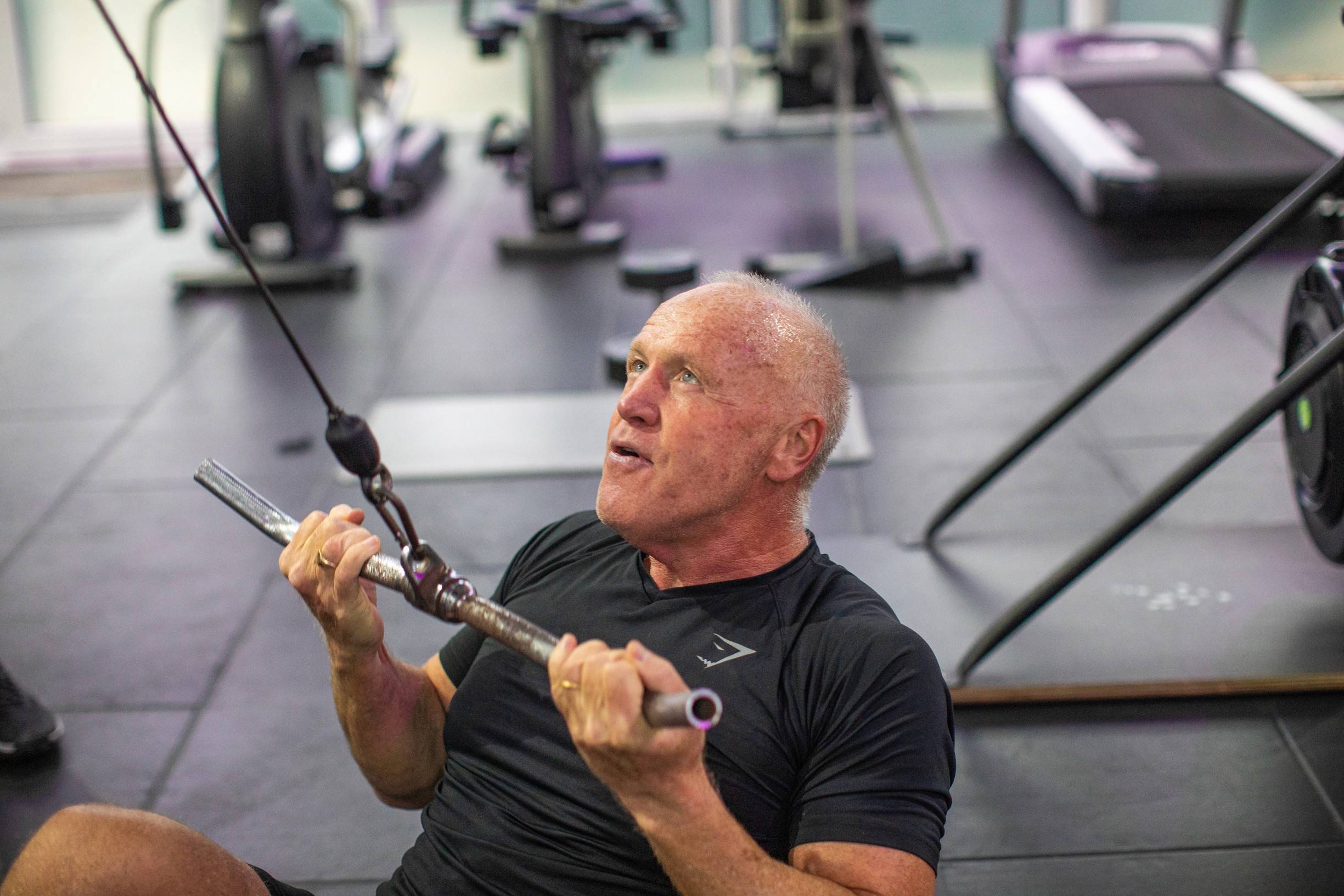
If you’ve ever looked in the mirror and wished for a stronger, more confident posture, you’re not alone. Many people in Wilmslow and Alderley Edge come to our gym asking one question: “What are the best back exercises in the gym to actually build strength and see results?”
As your friendly personal trainer, we get it. The back can be tricky. It’s hard to see, hard to feel, and easy to overlook. But here’s the truth: a strong back doesn’t just look good. It supports everything you do. From carrying shopping bags to improving your run, your back is your body’s silent powerhouse.
Let’s break down the best back exercises that help you move better, feel stronger, and stay pain-free, whether you’re a beginner or already hitting the gym regularly.
Why focus on your back in the gym?
Your back is made up of several powerful muscles: the lats, traps, and spinal stabilisers, all working together to keep you upright and moving well. When you strengthen them, you’ll notice:
Better posture and less slouching
Reduced lower-back pain
Stronger lifts in the gym
A more sculpted, athletic shape
It’s not just about aesthetics. It’s about feeling good, moving freely, and keeping your body balanced and supported.
How do you build a stronger, wider, and more defined back?
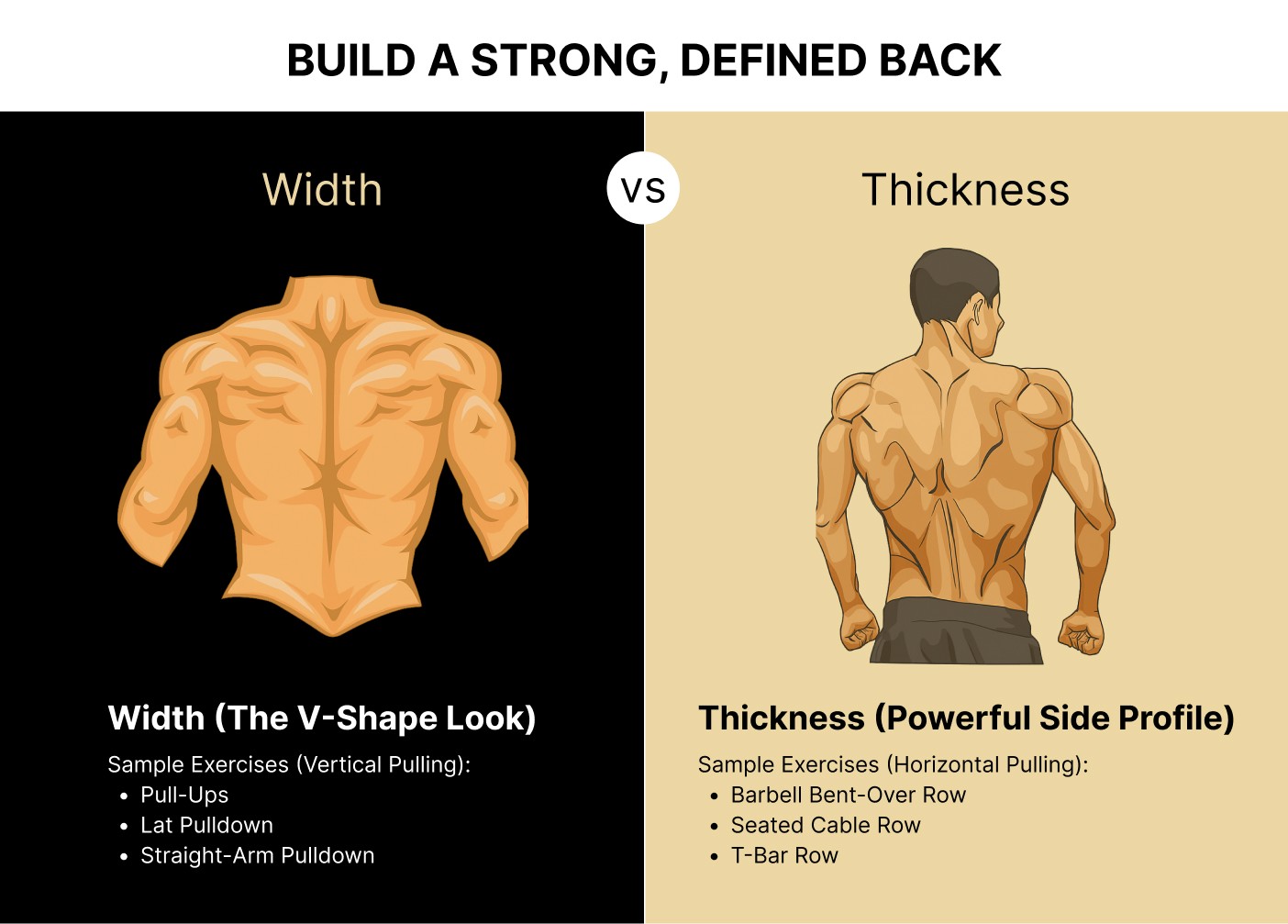
Before diving into the exercises, it helps to understand what makes an effective back workout in the gym. There are two main training goals:
Width
This is what gives your back that V-shape look, broad shoulders that taper down to the waist. You build width through vertical pulling movements like pull-ups and pulldowns, which target the latissimus dorsi (the large muscles running along your sides). As these muscles develop, your back appears wider, your waist seems smaller, and your overall shape becomes more athletic and balanced.
Thickness
Thickness gives your back that strong, powerful look from the side. You develop it with horizontal pulling exercises like rows, which strengthen the rhomboids, traps, and middle back. These muscles add density and strength, improving posture and stability while helping you lift heavier with better control.
A good routine blends both. Add in some lower-back strengthening, and you’ve got a complete, balanced workout.
Should you warm up before starting your back workout?
A few minutes of warming up makes a huge difference. It protects your joints and helps your back muscles function properly, especially if you spend all day sitting at a desk.
Try this quick pre-workout routine:
Arm circles: 30 seconds each way
Band pull-aparts: 15 reps
Cat-cow stretch: 5 slow rounds
Scapular push-ups: 10 reps
Light lat pulldowns or rows: 1 easy warm-up set
That’s it. Five minutes to get your body ready to train safely and effectively.
The 10 Best Back Exercises in the Gym
Here’s our list of the 10 best back exercises that build strength, shape, and confidence. These moves can be done with a personal trainer near you or on your own with good form.
1. Deadlift

Often called the king of all lifts, the deadlift targets nearly every muscle in your posterior chain, from your lower back and glutes to your core and hamstrings. Keep your chest proud and your spine neutral as you lift. Drive through your heels rather than your lower back to protect your spine. Start light, focus on flawless form, and let strength follow naturally.
2. Pull-Ups or Chin-Ups
Nothing builds upper-back width like pull-ups. Each rep expands your lats and enhances grip strength. Can’t quite manage a full pull-up yet? Use an assisted pull-up machine or a resistance band to bridge the gap. Alternate between overhand (pull-up) and underhand (chin-up) grips to hit slightly different muscle groups and boost progress.
3. Barbell Bent-Over Rows
This old-school favorite builds solemn mid-back mass and strength. Hinge forward slightly above parallel, brace your core, and pull the barbell toward your midsection in a smooth, controlled motion. The goal isn’t to jerk the weight. It’s to master tension. Slow, deliberate reps will give you the results you’re after.
4. Lat Pulldown
The lat pulldown machine mimics the motion of a pull-up, making it ideal for beginners or anyone looking to add volume safely and effectively. As you pull the bar down, think about driving your elbows towards your ribcage, not just lowering your hands. Keep your chest lifted to engage your lats fully. You’ll feel the difference instantly.
5. Seated Cable Row
If you’re after balance and symmetry, the seated cable row is your go-to. Sit tall, grip the handles, and pull them toward your waist (not your chest). Squeeze your shoulder blades together at the end of each rep to strengthen your mid-back and improve posture, especially helpful if you sit at a desk all day.
6. Single-Arm Dumbbell Row
This unilateral move ensures both sides of your body develop evenly. Place one knee and hand on a bench for support, and pull the dumbbell toward your hip, not your shoulder, to fully activate your lats. The movement also challenges your core stability, making it as much a balance exercise as a strength one.
7. T-Bar Row
The T-bar row is a mass-building powerhouse. Set your feet shoulder-width apart, hinge at the hips, and keep your back flat as you pull the bar towards your torso. Aim for controlled power: drive with your elbows until they move behind your body. It’s perfect for intermediate to advanced lifters who want next-level results.
8. Face Pull

Don’t underestimate the face pull. Using a rope attachment on a cable machine, pull toward your nose with your elbows high. This simple exercise strengthens the rear delts and rotator cuffs, key muscles for shoulder stability. Add it to your routine to improve posture and prevent shoulder strain from heavy pulling movements.
9. Back Extension (Roman Chair)
Your lower back supports every major lift, so it deserves attention. On a Roman chair or back extension bench, lower yourself slowly and raise your torso until your body forms a straight line. Avoid overextending, small, controlled reps protect your spine while building strength through your lower back and glutes.
10. Inverted Row
If you’re new to back training, the inverted row is your perfect starting point. Using a Smith machine bar or TRX straps, position your body like a plank and pull your chest toward the bar. It’s an excellent bodyweight move for improving pulling strength and control, a stepping stone toward your first full pull-up.
How can you structure your back workout?
Here’s a simple guide to help you plan your back workouts in the gym based on your experience level:
Level | Frequency | Sample Exercises & Sets | Pro Tips |
Beginner | 2x per week |
| Focus on form first. Start with light weights and build confidence with machine-based movements. |
Intermediate | 2-3x per week |
| Add progressive overload (gradually increase weight or reps) and mix vertical + horizontal pulls for balance. |
Advanced | 3x per week | Combine compound lifts early (Deadlift, Barbell Row) and finish with isolations (Cable Rows, Face Pulls). | Vary grips, tempo, and angles weekly to challenge your muscles and prevent plateaus. |
Trainer’s Weekly Back Split: Build Width, Thickness, and Strength
If you’re training 3 times a week, here’s how you can structure your sessions for a complete, balanced back.
Day | Frequency | Sample Exercises & Sets | Trainer’s Tip |
Day 1: Width | Vertical Pulling |
| Keep movements controlled. Think “elbows down, not arms pulling.” Focus on stretch and full range of motion. |
Day 2: Thickness | Horizontal Pulling |
| Squeeze your shoulder blades together at the end of each rep. This builds real density and better posture. |
Day 3: Strength & Stability | Posterior Chain & Core |
| Don’t rush. Prioritise form and lower-back control. A strong foundation keeps your back safe and powerful. |
What mistakes should you avoid?
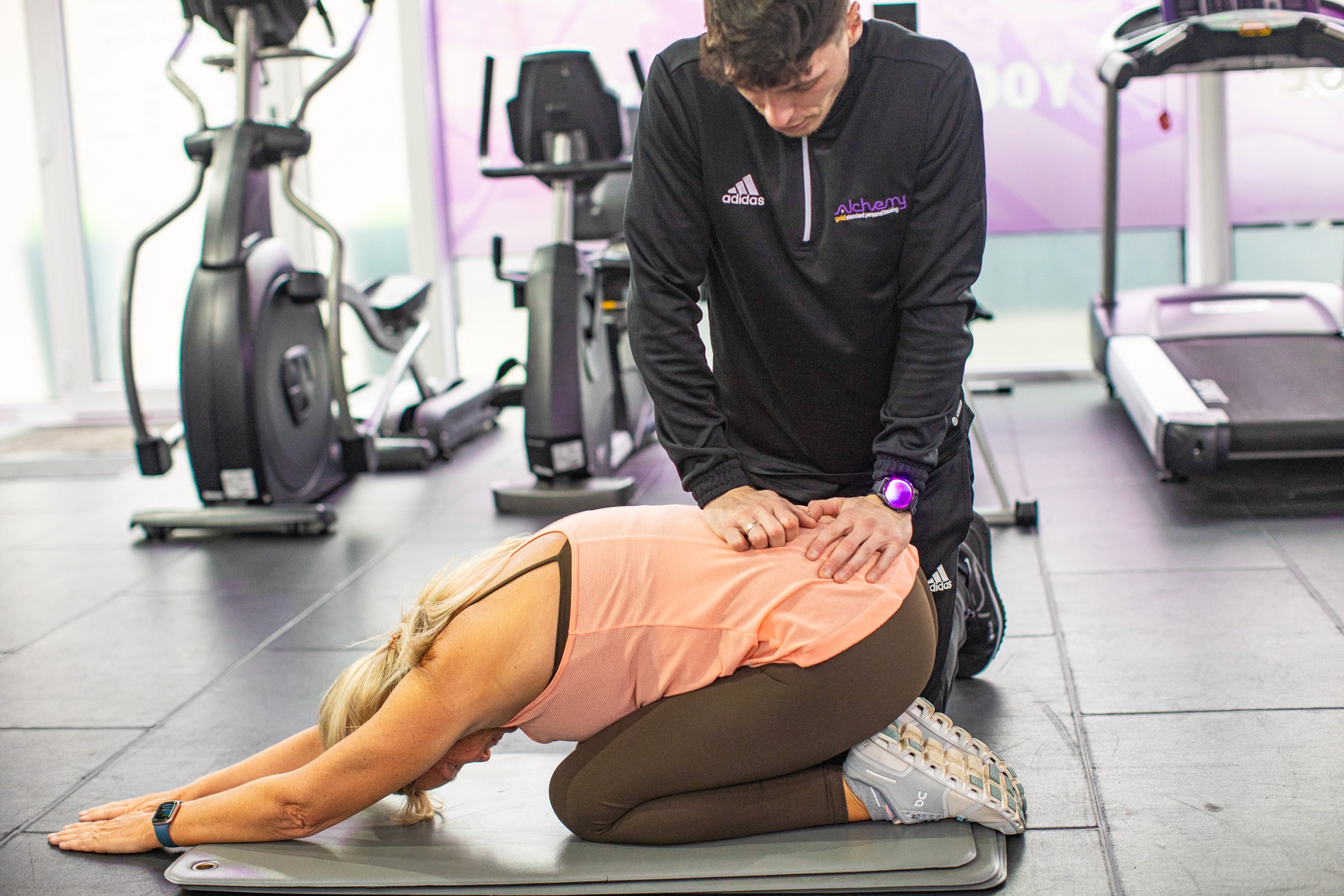
Even the best exercises can fail if form is off. Common mistakes we see as personal trainers include:
Using momentum instead of control
Arching or rounding the lower back
Ignoring the mind-muscle connection
Skipping warm-ups or stretching
If you’re unsure, training with a personal trainer ensures your form stays safe and effective. You can explore our Build Programme for guided strength sessions tailored to your goals.
How does recovery and nutrition affect back strength?
Your muscles grow when you rest, not while you lift. Here’s what to remember:
Eat enough protein: Opt for lean sources, such as chicken, fish, eggs, or tofu.
Stay hydrated: Water helps your muscles function optimally.
Sleep 7-8 hours: Rest repairs and strengthens your back.
You can learn more about our nutrition-focused Body Transformation Programme if you’re looking to achieve a comprehensive lifestyle reset. For evidence-based guidance, you can also check resources like the National Health Service (NHS) for safe strength-training advice.
Your next step to a stronger, healthier back
We know how easy it is to skip back workouts when life gets busy, but your back is the foundation of every movement you make. Strengthening it doesn’t just shape your physique; it improves posture, balance, and confidence in everything you do.
Whether you’re in Wilmslow or Alderley Edge, our personal trainers can help you master the right techniques, stay consistent, and build lasting strength safely. Because when your back is strong, your whole body moves better, and that’s where real transformation begins.
If you’ve ever looked in the mirror and wished for a stronger, more confident posture, you’re not alone. Many people in Wilmslow and Alderley Edge come to our gym asking one question: “What are the best back exercises in the gym to actually build strength and see results?”
As your friendly personal trainer, we get it. The back can be tricky. It’s hard to see, hard to feel, and easy to overlook. But here’s the truth: a strong back doesn’t just look good. It supports everything you do. From carrying shopping bags to improving your run, your back is your body’s silent powerhouse.
Let’s break down the best back exercises that help you move better, feel stronger, and stay pain-free, whether you’re a beginner or already hitting the gym regularly.
Why focus on your back in the gym?
Your back is made up of several powerful muscles: the lats, traps, and spinal stabilisers, all working together to keep you upright and moving well. When you strengthen them, you’ll notice:
Better posture and less slouching
Reduced lower-back pain
Stronger lifts in the gym
A more sculpted, athletic shape
It’s not just about aesthetics. It’s about feeling good, moving freely, and keeping your body balanced and supported.
How do you build a stronger, wider, and more defined back?
Before diving into the exercises, it helps to understand what makes an effective back workout in the gym. There are two main training goals:
Width
This is what gives your back that V-shape look, broad shoulders that taper down to the waist. You build width through vertical pulling movements like pull-ups and pulldowns, which target the latissimus dorsi (the large muscles running along your sides). As these muscles develop, your back appears wider, your waist seems smaller, and your overall shape becomes more athletic and balanced.
Thickness
Thickness gives your back that strong, powerful look from the side. You develop it with horizontal pulling exercises like rows, which strengthen the rhomboids, traps, and middle back. These muscles add density and strength, improving posture and stability while helping you lift heavier with better control.
A good routine blends both. Add in some lower-back strengthening, and you’ve got a complete, balanced workout.
Should you warm up before starting your back workout?
A few minutes of warming up makes a huge difference. It protects your joints and helps your back muscles function properly, especially if you spend all day sitting at a desk.
Try this quick pre-workout routine:
Arm circles: 30 seconds each way
Band pull-aparts: 15 reps
Cat-cow stretch: 5 slow rounds
Scapular push-ups: 10 reps
Light lat pulldowns or rows: 1 easy warm-up set
That’s it. Five minutes to get your body ready to train safely and effectively.
The 10 Best Back Exercises in the Gym
Here’s our list of the 10 best back exercises that build strength, shape, and confidence. These moves can be done with a personal trainer near you or on your own with good form.
1. Deadlift
Often called the king of all lifts, the deadlift targets nearly every muscle in your posterior chain, from your lower back and glutes to your core and hamstrings. Keep your chest proud and your spine neutral as you lift. Drive through your heels rather than your lower back to protect your spine. Start light, focus on flawless form, and let strength follow naturally.
2. Pull-Ups or Chin-Ups
Nothing builds upper-back width like pull-ups. Each rep expands your lats and enhances grip strength. Can’t quite manage a full pull-up yet? Use an assisted pull-up machine or a resistance band to bridge the gap. Alternate between overhand (pull-up) and underhand (chin-up) grips to hit slightly different muscle groups and boost progress.
3. Barbell Bent-Over Rows
This old-school favorite builds solemn mid-back mass and strength. Hinge forward slightly above parallel, brace your core, and pull the barbell toward your midsection in a smooth, controlled motion. The goal isn’t to jerk the weight. It’s to master tension. Slow, deliberate reps will give you the results you’re after.
4. Lat Pulldown
The lat pulldown machine mimics the motion of a pull-up, making it ideal for beginners or anyone looking to add volume safely and effectively. As you pull the bar down, think about driving your elbows towards your ribcage, not just lowering your hands. Keep your chest lifted to engage your lats fully. You’ll feel the difference instantly.
5. Seated Cable Row
If you’re after balance and symmetry, the seated cable row is your go-to. Sit tall, grip the handles, and pull them toward your waist (not your chest). Squeeze your shoulder blades together at the end of each rep to strengthen your mid-back and improve posture, especially helpful if you sit at a desk all day.
6. Single-Arm Dumbbell Row
This unilateral move ensures both sides of your body develop evenly. Place one knee and hand on a bench for support, and pull the dumbbell toward your hip, not your shoulder, to fully activate your lats. The movement also challenges your core stability, making it as much a balance exercise as a strength one.
7. T-Bar Row
The T-bar row is a mass-building powerhouse. Set your feet shoulder-width apart, hinge at the hips, and keep your back flat as you pull the bar towards your torso. Aim for controlled power: drive with your elbows until they move behind your body. It’s perfect for intermediate to advanced lifters who want next-level results.
8. Face Pull
Don’t underestimate the face pull. Using a rope attachment on a cable machine, pull toward your nose with your elbows high. This simple exercise strengthens the rear delts and rotator cuffs, key muscles for shoulder stability. Add it to your routine to improve posture and prevent shoulder strain from heavy pulling movements.
9. Back Extension (Roman Chair)
Your lower back supports every major lift, so it deserves attention. On a Roman chair or back extension bench, lower yourself slowly and raise your torso until your body forms a straight line. Avoid overextending, small, controlled reps protect your spine while building strength through your lower back and glutes.
10. Inverted Row
If you’re new to back training, the inverted row is your perfect starting point. Using a Smith machine bar or TRX straps, position your body like a plank and pull your chest toward the bar. It’s an excellent bodyweight move for improving pulling strength and control, a stepping stone toward your first full pull-up.
How can you structure your back workout?
Here’s a simple guide to help you plan your back workouts in the gym based on your experience level:
Level | Frequency | Sample Exercises & Sets | Pro Tips |
Beginner | 2x per week |
| Focus on form first. Start with light weights and build confidence with machine-based movements. |
Intermediate | 2-3x per week |
| Add progressive overload (gradually increase weight or reps) and mix vertical + horizontal pulls for balance. |
Advanced | 3x per week | Combine compound lifts early (Deadlift, Barbell Row) and finish with isolations (Cable Rows, Face Pulls). | Vary grips, tempo, and angles weekly to challenge your muscles and prevent plateaus. |
Trainer’s Weekly Back Split: Build Width, Thickness, and Strength
If you’re training 3 times a week, here’s how you can structure your sessions for a complete, balanced back.
Day | Frequency | Sample Exercises & Sets | Trainer’s Tip |
Day 1: Width | Vertical Pulling |
| Keep movements controlled. Think “elbows down, not arms pulling.” Focus on stretch and full range of motion. |
Day 2: Thickness | Horizontal Pulling |
| Squeeze your shoulder blades together at the end of each rep. This builds real density and better posture. |
Day 3: Strength & Stability | Posterior Chain & Core |
| Don’t rush. Prioritise form and lower-back control. A strong foundation keeps your back safe and powerful. |
What mistakes should you avoid?
Even the best exercises can fail if form is off. Common mistakes we see as personal trainers include:
Using momentum instead of control
Arching or rounding the lower back
Ignoring the mind-muscle connection
Skipping warm-ups or stretching
If you’re unsure, training with a personal trainer ensures your form stays safe and effective. You can explore our Build Programme for guided strength sessions tailored to your goals.
How does recovery and nutrition affect back strength?
Your muscles grow when you rest, not while you lift. Here’s what to remember:
Eat enough protein: Opt for lean sources, such as chicken, fish, eggs, or tofu.
Stay hydrated: Water helps your muscles function optimally.
Sleep 7-8 hours: Rest repairs and strengthens your back.
You can learn more about our nutrition-focused Body Transformation Programme if you’re looking to achieve a comprehensive lifestyle reset. For evidence-based guidance, you can also check resources like the National Health Service (NHS) for safe strength-training advice.
Your next step to a stronger, healthier back
We know how easy it is to skip back workouts when life gets busy, but your back is the foundation of every movement you make. Strengthening it doesn’t just shape your physique; it improves posture, balance, and confidence in everything you do.
Whether you’re in Wilmslow or Alderley Edge, our personal trainers can help you master the right techniques, stay consistent, and build lasting strength safely. Because when your back is strong, your whole body moves better, and that’s where real transformation begins.
Table of Content
Frequently Asked Questions
Frequently Asked Questions
How often should I train my back each week?
Should I train my back and biceps on the same day?
How long does it take to see results from back workouts?
What’s the most common mistake when training the back?
Do I really need a personal trainer for back workouts?



Alchemy PT are UK’s number one personal trainers. Situated in central Wilmslow, we have over 2,000 square feet of space for our Personal Training Studio.
WhatsApp Us
Call Us
Alchemy - © Copyright 2026 |
Website by ARENA
Alchemy PT are UK’s number one personal trainers. Situated in central Wilmslow, we have over 2,000 square feet of space for our Personal Training Studio.
WhatsApp Us
Call Us
Alchemy - © Copyright 2026 |
Website by ARENA
Alchemy PT are UK’s number one personal trainers. Situated in central Wilmslow, we have over 2,000 square feet of space for our Personal Training Studio.
WhatsApp Us
Call Us
Alchemy - © Copyright 2026 |
Website by ARENA
Alchemy PT are UK’s number one personal trainers. Situated in central Wilmslow, we have over 2,000 square feet of space for our Personal Training Studio.
WhatsApp Us
Call Us
Alchemy - © Copyright 2026 |
Website by ARENA