What is Resistance Training: Benefits, Myths, and Examples
What is Resistance Training: Benefits, Myths, and Examples
Published Date:
Published Date:
Last Updated:
Last Updated:
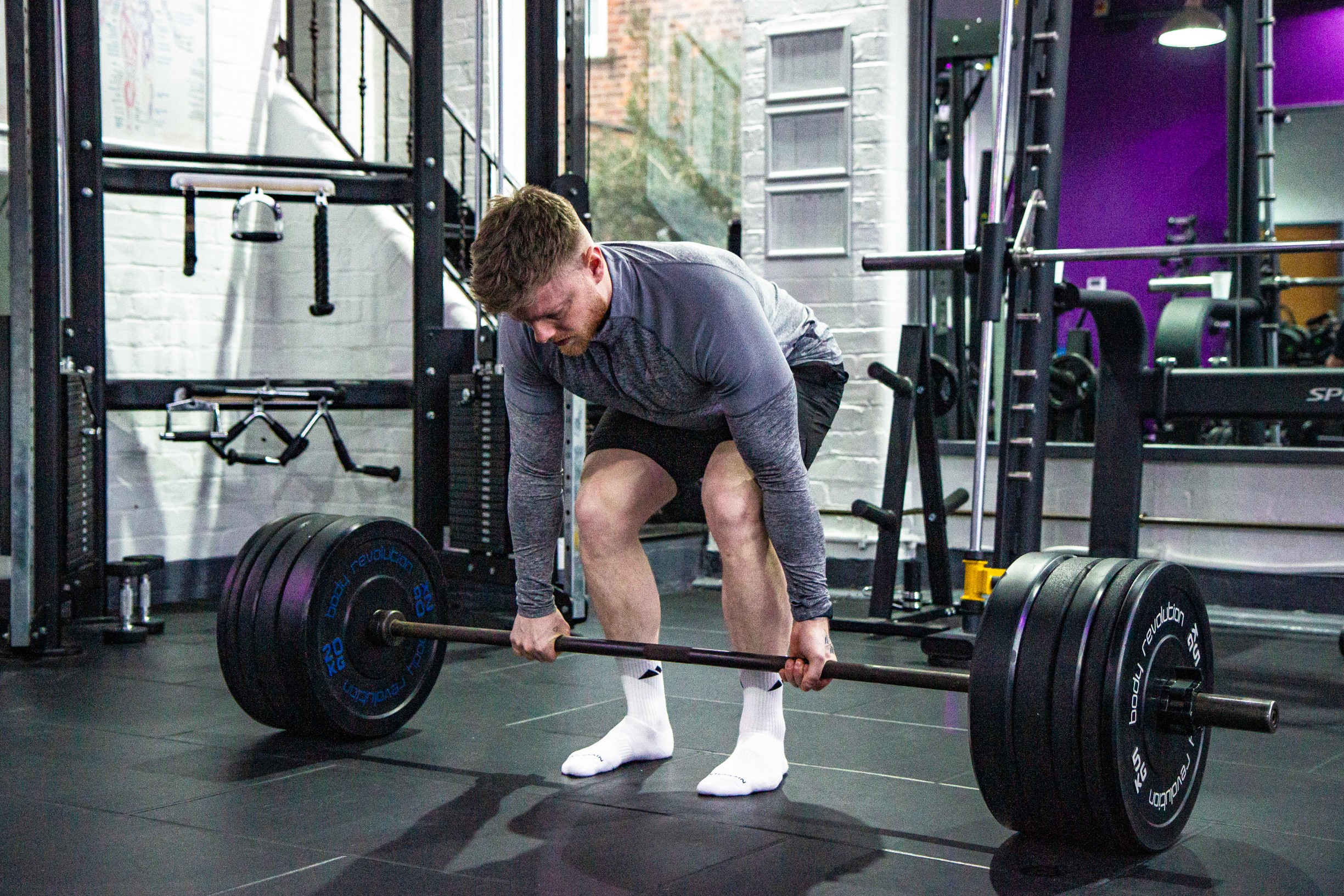
If your goal is to build a strong, toned, and resilient body that supports everyday movement and long-term health, resistance training is the method that ties everything together. By challenging your muscles through controlled, progressive routines, it helps build lean strength, support fat loss, improve posture, and increase your daily energy levels.
It is structured to deliver results, yet flexible enough to adapt to your starting point, experience, and lifestyle. Read on to learn more about this training, why it is effective, common misconceptions, and exercises to get you started.
What is Resistance Training
Resistance training is a type of exercise where your body works against a force. The goal is to challenge your muscles so they adapt, get stronger, and improve over time.
When you perform strength-focused exercises, your tissues experience micro-tears. Your body then repairs them leaner than before, which helps increase tone and durability.
One of the biggest advantages of this training is versatility. You can do it at home, in the gym, or under the guidance of a personal trainer to ensure safety and efficiency.
Resistance Training vs Strength Training
It is common to hear the terms “resistance training” and “strength training” used interchangeably, but there are subtle differences:
Resistance Training
The broad category of exercise where your muscles work against some form of load, such as weights, bands, machines, or even your own body. It can focus on endurance, muscle development, or overall fitness.
Strength Training
A specific type of resistance training aimed at increasing maximal strength, often using heavier loads and lower repetitions.
Both approaches ultimately have targeted benefits. That’s why our personal trainers make it a point to blend these methods to help you reach your goals with optimal outcomes.
What is Functional Resistance Training
Movements that mimic everyday activities are the essence of functional resistance training, improving your physical capacity, balance, and mobility. Squats, lunges, push-pull, and rotational exercises are examples of functional movements that strengthen multiple muscle groups simultaneously.
Why does this matter? Functional training improves your ability to perform daily tasks with ease, like lifting groceries, climbing stairs, or playing with children, while also reducing the risk of injuries.

Benefits of Resistance Training
Using resistance training in your workouts offers more than just physical change. It helps you feel more capable and enhances your overall sense of well-being. The following benefits explain how it can transform your routine:
Short-term Benefits
Increase Energy Levels
Resistance training stimulates circulation and improves muscular efficiency, which means your body can perform daily tasks with less fatigue.
Improve Mood
Exercises trigger the release of endorphins and other “feel-good” neurotransmitters, helping to reduce stress and boost mental clarity.
Enhance Posture
Strengthening your back, core, and shoulder muscles helps support the spine and maintain proper alignment. This can reduce aches from sitting for long periods and improve the way you carry yourself naturally.
Boost Daily Strength
You’ll notice practical improvements in functional movements. Your muscles start to work more efficiently, making everyday tasks feel lighter.
Develop Body Awareness
Early training helps you learn how your muscles engage and how joints move safely. This mind-body connection is crucial for preventing injuries, improving coordination, and preparing you for more advanced exercises down the line.
Long-term Benefits
Sustainable Fat Loss
Lean muscle is metabolically active, which means the more muscle you have, the more calories your body burns at rest. Over time, this helps improve body composition while preserving strength.
Stronger Bones and Joints
Weight-bearing and resistance exercises stimulate bone density and strengthen connective tissues, reducing the risk of osteoporosis and joint strains later in life.
Increased Metabolism
Regular resistance training exercises keep your metabolism higher than it would be with inactivity alone, supporting energy levels and helping you manage weight as you age.
Healthy Ageing and Independence
Maintaining strength, flexibility, and balance through resistance training helps preserve physical independence as you grow older, supporting a higher quality of life well into later years.
Resistance Training Myths
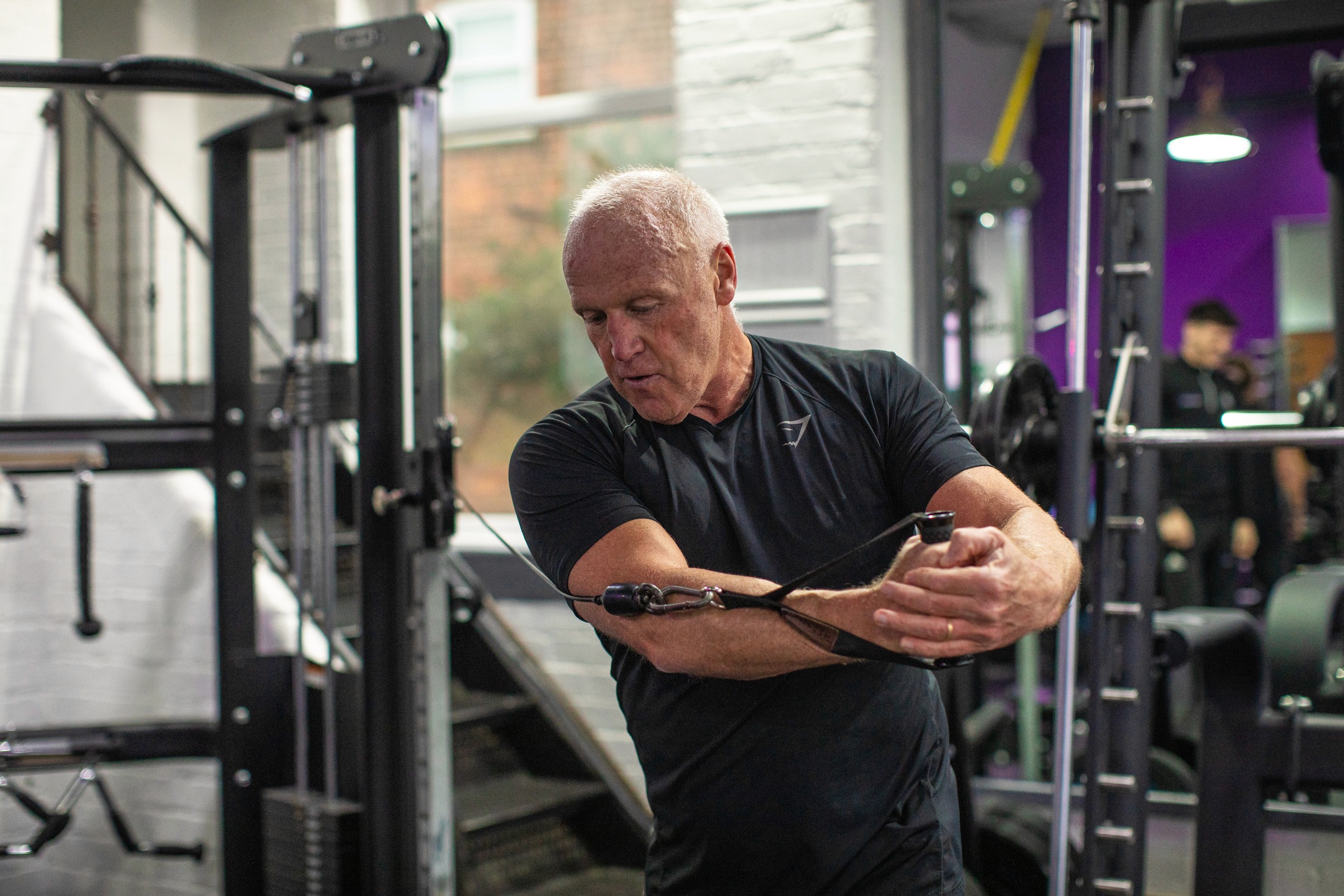
Even though resistance training is widely recognised as one of the most effective ways to attain fitness goals, it’s still surrounded by misconceptions that can make people hesitant to start. Many of these misbeliefs come from outdated ideas, social stereotypes, or a mix-up of how the body adapts.
Let’s take a look at the most common myths and set the record straight:
I Need to be Strong Before I Start
Many people think they have to be athletic already to do resistance training. The truth is the opposite: you get strong by starting, and every programme is designed to meet you at your current ability.
I Have to Lift Heavy Weights
Results do not come from lifting heavy loads. Starting with manageable weights allows your muscles, joints, and nervous system to adapt safely, reducing risks of injuries while improving strength and muscle control. Eventually, you can increase the load as your capacity grows.
I Have to Train Every Day
Consistency matters more than daily sessions. Most people achieve results in two to four well-planned resistance training sessions per week. Moreover, rest days are essential to allow your muscles to recover and improve.
I’ll Look Bulky
Many worry that resistance exercises will make them too muscular. In reality, they help you develop a lean, toned physique. Achieving significant bulk requires very specific training, high-calorie nutrition, and genetics that support extreme hypertrophy.
It’s All About Aesthetics
While many people notice visual changes, the biggest transformations are functional. You’ll feel stronger, move more efficiently, carry out your daily routine more easily, and enjoy higher energy levels. Aesthetics are just one aspect of a broader spectrum of its physical and mental benefits.
It’s Just for Young People
Resistance training is beneficial at any age. In fact, it becomes increasingly important as we get older, helping maintain muscle mass, bone density, balance, and active living. People in their 40s and beyond can safely engage in this training and see measurable improvement in mobility and overall health.
Lifting Weights is Just for Men
This is a long-standing stereotype. Lifting weights and other resistance training exercises are essential for everyone, regardless of gender. For women, they support hormonal balance, strength, and long-term health. Moreover, training strategically ensures women achieve tone, confidence, and practical strength without necessarily aiming for large muscle mass.
Examples of Resistance Training Exercises
Not all resistance training serves the same purpose. Some exercises target the whole body, while others allow you to focus on specific areas that need extra attention. Nonetheless, a structured routine typically includes both.
Compound Movements
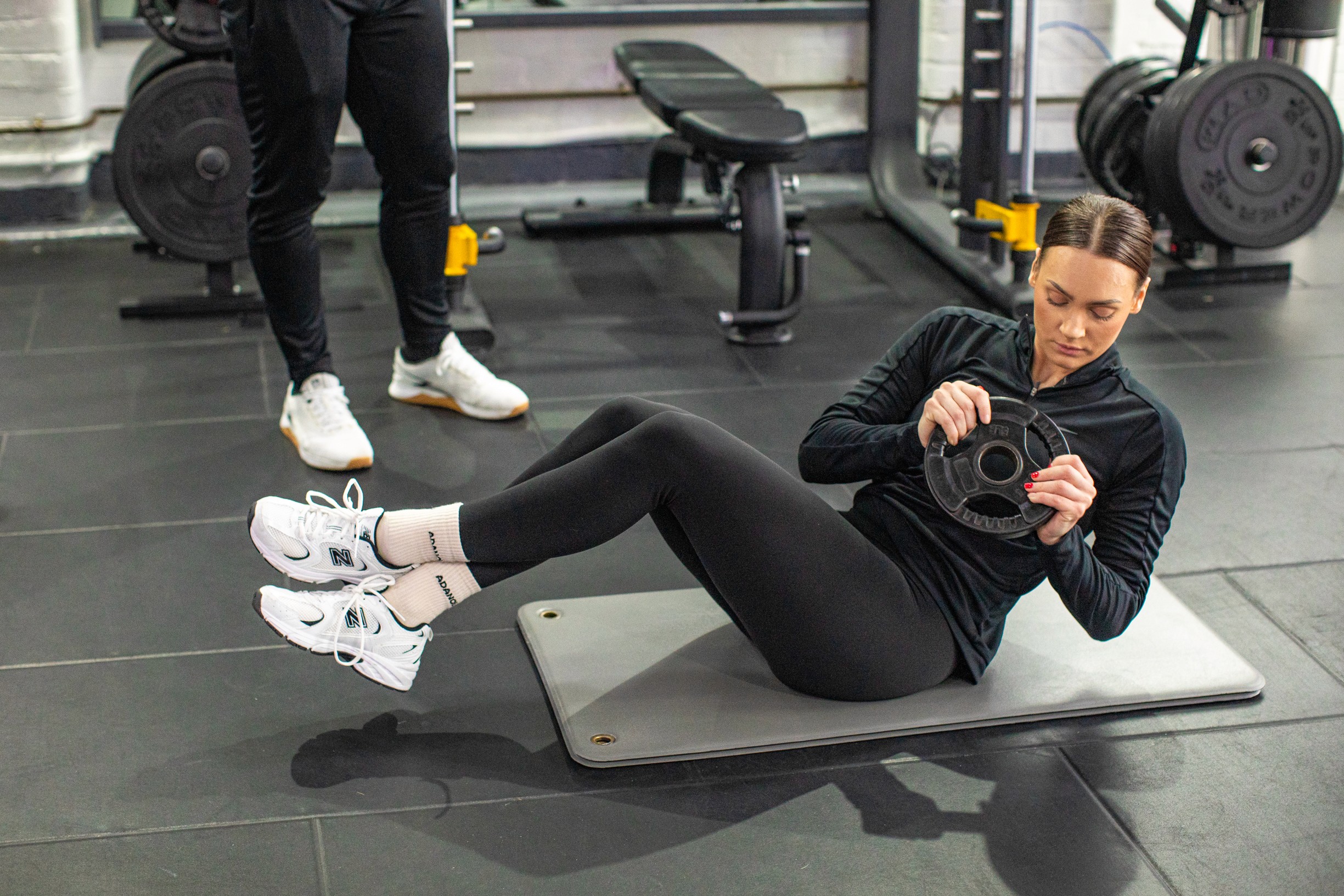
Exercises that involve multiple joints and several muscle groups working together in one coordinated action are the main focus of compound training. These exercises are often considered the foundation of a well-rounded resistance training programme because they stimulate natural, everyday movements.
Examples include:
Squats: Target the lower body and core while reinforcing proper bending mechanics
Deadlifts: Train the posterior chain and enhance safe lifting patterns
Burpee with push-up: Activates the chest, arms, legs, and midline while improving body control
Lunge with twist: Engages the legs, glutes, and core while improving rotational movement and single-leg balance
Renegade row: Focuses on the chest, shoulders, back, arms, and core while enhancing pushing and pulling action
For beginners, compound movements provide the fastest learning curve because they build total-body awareness and create a strong base for more advanced training later on.
Isolated Movements
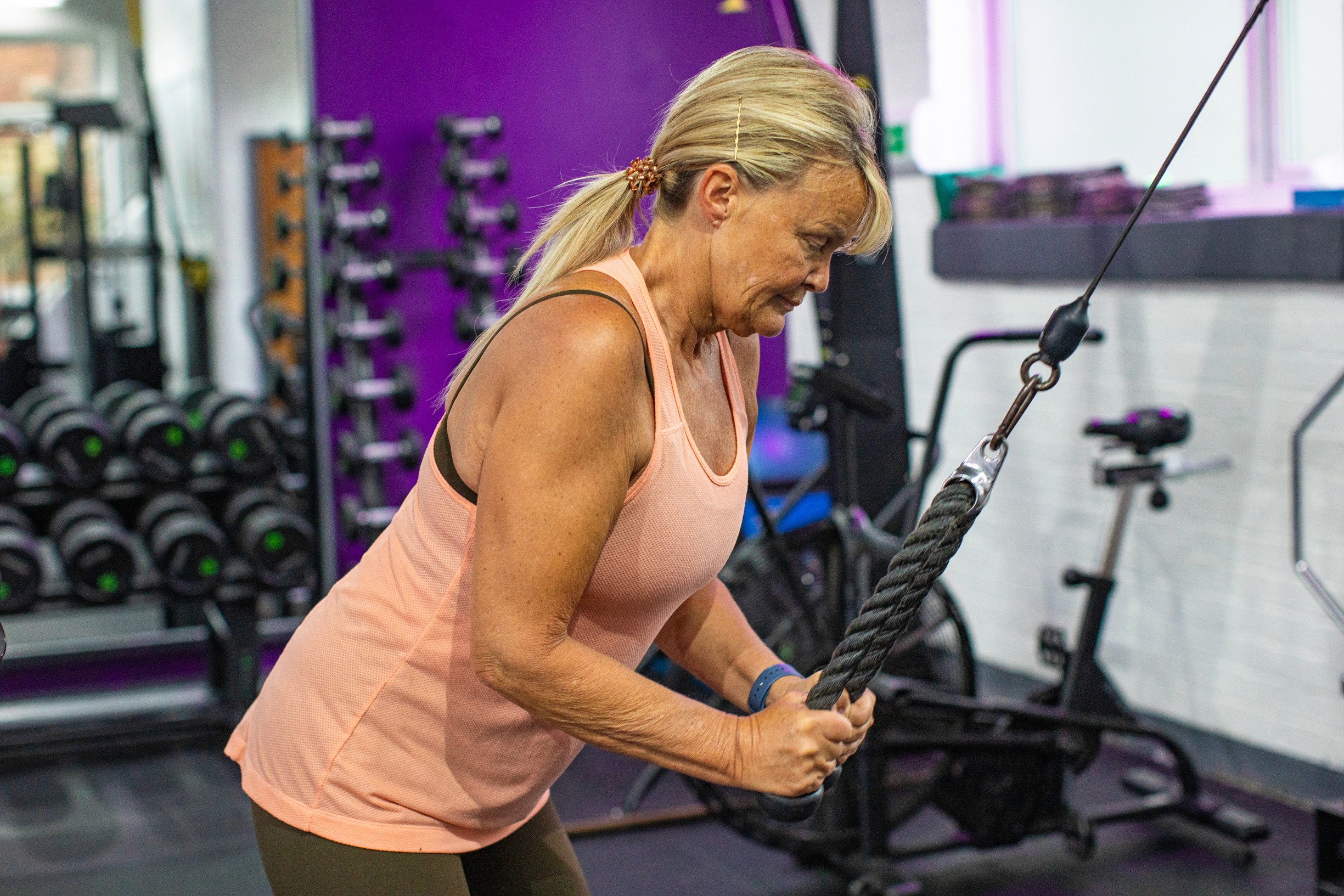
These exercises focus on one muscle group at a time, allowing for more targeted development. While they may not demand as much overall energy as compound movements, they are important in refining movement quality and strengthening muscles that may not be getting enough work in larger exercises.
Examples include:
Bicep curls: Target the front of the arms
Leg extensions: Focus on the front of the thighs
Tricep pushdowns: Work the back of the arms
Lateral raises: Build up the shoulder and improve upper-body stability
Chest flys: Target the chest muscle and improve range of motion
Calf raises: Condition the lower legs and improve ankle balance
Typically, isolation work is used to complement compound training. For instance, developing hamstrings with leg curls can improve your squat and deadlift form, while stronger shoulders from lateral raises can make pressing movements safer and more stable.
When Should You Do Resistance Training
One of the biggest advantages of resistance training is that it does not require daily workouts to be effective. What matters most is how often you train across the week and how well your sessions are planned, not squeezing exercises into every single day.
How Often Should You Do Resistance Exercises
For most people, 2 to 4 routines per week is ideal. This frequency gives your muscles enough stimulus to grow stronger while allowing proper recovery time.
Advanced trainees may increase their schedule to 4 to 5 drills, but rest days remain essential to avoid overtraining. Your muscles need recuperation between sessions to repair and develop. Without the recovery window, progress slows, and fatigue builds.
Special Considerations
Some groups may benefit from extra guidance or a small adjustment when starting resistance training. Here are a few key points:
Beginners
Schedule 2 to 3 trainings per week. Start with body weight exercises or light resistance bands, focusing on proper form and gradual progression. Spacing workouts allows the body to adapt safely while building awareness in movements.
Women During Their Period
Plan workouts around how you feel each day. Resistance training is generally safe during menstruation and can help reduce cramps, support mood, and maintain comfort. Adjust intensity or volume as needed to stay consistent without overexertion.
Older Adults
Aim for 2 to 3 full-body sessions per week. Focus on functional movements that support joint health, stability, and independence. Controlled progression and proper guidance help maintain mobility and optimise the timing of each routine for maximum benefit.
Stronger for Life Starts Here
Resistance training is not just a workout style; it is a long-term investment in how you perform, feel, and show up in your everyday life. From your first sessions to the moment you realise you're lifting more, moving better, and feeling more confident, the transformation is not only physical. It is the knowledge that your body is capable, adaptable, and built to keep progressing.
If you’re ready to experience what structured, expert-led resistance training can do for you, our personal trainers in Wilmslow and Alderley Edge are ready to guide you. We make sure your programme evolves as you do, keeping your training effective and aligned with your fitness goals.
If your goal is to build a strong, toned, and resilient body that supports everyday movement and long-term health, resistance training is the method that ties everything together. By challenging your muscles through controlled, progressive routines, it helps build lean strength, support fat loss, improve posture, and increase your daily energy levels.
It is structured to deliver results, yet flexible enough to adapt to your starting point, experience, and lifestyle. Read on to learn more about this training, why it is effective, common misconceptions, and exercises to get you started.
What is Resistance Training
Resistance training is a type of exercise where your body works against a force. The goal is to challenge your muscles so they adapt, get stronger, and improve over time.
When you perform strength-focused exercises, your tissues experience micro-tears. Your body then repairs them leaner than before, which helps increase tone and durability.
One of the biggest advantages of this training is versatility. You can do it at home, in the gym, or under the guidance of a personal trainer to ensure safety and efficiency.
Resistance Training vs Strength Training
It is common to hear the terms “resistance training” and “strength training” used interchangeably, but there are subtle differences:
Resistance Training
The broad category of exercise where your muscles work against some form of load, such as weights, bands, machines, or even your own body. It can focus on endurance, muscle development, or overall fitness.
Strength Training
A specific type of resistance training aimed at increasing maximal strength, often using heavier loads and lower repetitions.
Both approaches ultimately have targeted benefits. That’s why our personal trainers make it a point to blend these methods to help you reach your goals with optimal outcomes.
What is Functional Resistance Training
Movements that mimic everyday activities are the essence of functional resistance training, improving your physical capacity, balance, and mobility. Squats, lunges, push-pull, and rotational exercises are examples of functional movements that strengthen multiple muscle groups simultaneously.
Why does this matter? Functional training improves your ability to perform daily tasks with ease, like lifting groceries, climbing stairs, or playing with children, while also reducing the risk of injuries.
Benefits of Resistance Training
Using resistance training in your workouts offers more than just physical change. It helps you feel more capable and enhances your overall sense of well-being. The following benefits explain how it can transform your routine:
Short-term Benefits
Increase Energy Levels
Resistance training stimulates circulation and improves muscular efficiency, which means your body can perform daily tasks with less fatigue.
Improve Mood
Exercises trigger the release of endorphins and other “feel-good” neurotransmitters, helping to reduce stress and boost mental clarity.
Enhance Posture
Strengthening your back, core, and shoulder muscles helps support the spine and maintain proper alignment. This can reduce aches from sitting for long periods and improve the way you carry yourself naturally.
Boost Daily Strength
You’ll notice practical improvements in functional movements. Your muscles start to work more efficiently, making everyday tasks feel lighter.
Develop Body Awareness
Early training helps you learn how your muscles engage and how joints move safely. This mind-body connection is crucial for preventing injuries, improving coordination, and preparing you for more advanced exercises down the line.
Long-term Benefits
Sustainable Fat Loss
Lean muscle is metabolically active, which means the more muscle you have, the more calories your body burns at rest. Over time, this helps improve body composition while preserving strength.
Stronger Bones and Joints
Weight-bearing and resistance exercises stimulate bone density and strengthen connective tissues, reducing the risk of osteoporosis and joint strains later in life.
Increased Metabolism
Regular resistance training exercises keep your metabolism higher than it would be with inactivity alone, supporting energy levels and helping you manage weight as you age.
Healthy Ageing and Independence
Maintaining strength, flexibility, and balance through resistance training helps preserve physical independence as you grow older, supporting a higher quality of life well into later years.
Resistance Training Myths
Even though resistance training is widely recognised as one of the most effective ways to attain fitness goals, it’s still surrounded by misconceptions that can make people hesitant to start. Many of these misbeliefs come from outdated ideas, social stereotypes, or a mix-up of how the body adapts.
Let’s take a look at the most common myths and set the record straight:
I Need to be Strong Before I Start
Many people think they have to be athletic already to do resistance training. The truth is the opposite: you get strong by starting, and every programme is designed to meet you at your current ability.
I Have to Lift Heavy Weights
Results do not come from lifting heavy loads. Starting with manageable weights allows your muscles, joints, and nervous system to adapt safely, reducing risks of injuries while improving strength and muscle control. Eventually, you can increase the load as your capacity grows.
I Have to Train Every Day
Consistency matters more than daily sessions. Most people achieve results in two to four well-planned resistance training sessions per week. Moreover, rest days are essential to allow your muscles to recover and improve.
I’ll Look Bulky
Many worry that resistance exercises will make them too muscular. In reality, they help you develop a lean, toned physique. Achieving significant bulk requires very specific training, high-calorie nutrition, and genetics that support extreme hypertrophy.
It’s All About Aesthetics
While many people notice visual changes, the biggest transformations are functional. You’ll feel stronger, move more efficiently, carry out your daily routine more easily, and enjoy higher energy levels. Aesthetics are just one aspect of a broader spectrum of its physical and mental benefits.
It’s Just for Young People
Resistance training is beneficial at any age. In fact, it becomes increasingly important as we get older, helping maintain muscle mass, bone density, balance, and active living. People in their 40s and beyond can safely engage in this training and see measurable improvement in mobility and overall health.
Lifting Weights is Just for Men
This is a long-standing stereotype. Lifting weights and other resistance training exercises are essential for everyone, regardless of gender. For women, they support hormonal balance, strength, and long-term health. Moreover, training strategically ensures women achieve tone, confidence, and practical strength without necessarily aiming for large muscle mass.
Examples of Resistance Training Exercises
Not all resistance training serves the same purpose. Some exercises target the whole body, while others allow you to focus on specific areas that need extra attention. Nonetheless, a structured routine typically includes both.
Compound Movements
Exercises that involve multiple joints and several muscle groups working together in one coordinated action are the main focus of compound training. These exercises are often considered the foundation of a well-rounded resistance training programme because they stimulate natural, everyday movements.
Examples include:
Squats: Target the lower body and core while reinforcing proper bending mechanics
Deadlifts: Train the posterior chain and enhance safe lifting patterns
Burpee with push-up: Activates the chest, arms, legs, and midline while improving body control
Lunge with twist: Engages the legs, glutes, and core while improving rotational movement and single-leg balance
Renegade row: Focuses on the chest, shoulders, back, arms, and core while enhancing pushing and pulling action
For beginners, compound movements provide the fastest learning curve because they build total-body awareness and create a strong base for more advanced training later on.
Isolated Movements
These exercises focus on one muscle group at a time, allowing for more targeted development. While they may not demand as much overall energy as compound movements, they are important in refining movement quality and strengthening muscles that may not be getting enough work in larger exercises.
Examples include:
Bicep curls: Target the front of the arms
Leg extensions: Focus on the front of the thighs
Tricep pushdowns: Work the back of the arms
Lateral raises: Build up the shoulder and improve upper-body stability
Chest flys: Target the chest muscle and improve range of motion
Calf raises: Condition the lower legs and improve ankle balance
Typically, isolation work is used to complement compound training. For instance, developing hamstrings with leg curls can improve your squat and deadlift form, while stronger shoulders from lateral raises can make pressing movements safer and more stable.
When Should You Do Resistance Training
One of the biggest advantages of resistance training is that it does not require daily workouts to be effective. What matters most is how often you train across the week and how well your sessions are planned, not squeezing exercises into every single day.
How Often Should You Do Resistance Exercises
For most people, 2 to 4 routines per week is ideal. This frequency gives your muscles enough stimulus to grow stronger while allowing proper recovery time.
Advanced trainees may increase their schedule to 4 to 5 drills, but rest days remain essential to avoid overtraining. Your muscles need recuperation between sessions to repair and develop. Without the recovery window, progress slows, and fatigue builds.
Special Considerations
Some groups may benefit from extra guidance or a small adjustment when starting resistance training. Here are a few key points:
Beginners
Schedule 2 to 3 trainings per week. Start with body weight exercises or light resistance bands, focusing on proper form and gradual progression. Spacing workouts allows the body to adapt safely while building awareness in movements.
Women During Their Period
Plan workouts around how you feel each day. Resistance training is generally safe during menstruation and can help reduce cramps, support mood, and maintain comfort. Adjust intensity or volume as needed to stay consistent without overexertion.
Older Adults
Aim for 2 to 3 full-body sessions per week. Focus on functional movements that support joint health, stability, and independence. Controlled progression and proper guidance help maintain mobility and optimise the timing of each routine for maximum benefit.
Stronger for Life Starts Here
Resistance training is not just a workout style; it is a long-term investment in how you perform, feel, and show up in your everyday life. From your first sessions to the moment you realise you're lifting more, moving better, and feeling more confident, the transformation is not only physical. It is the knowledge that your body is capable, adaptable, and built to keep progressing.
If you’re ready to experience what structured, expert-led resistance training can do for you, our personal trainers in Wilmslow and Alderley Edge are ready to guide you. We make sure your programme evolves as you do, keeping your training effective and aligned with your fitness goals.
Table of Content
Frequently Asked Questions
Frequently Asked Questions
Can I lose belly fat with resistance training?
How long does it take to see results?
Is resistance training good for beginners?
Can I do strength-focused training at home?
Do I need a personal trainer to start resistance training?


Alchemy PT are UK’s number one personal trainers. Situated in central Wilmslow, we have over 2,000 square feet of space for our Personal Training Studio.
Call Us
Alchemy - © Copyright 2026 |
Website by ARENA
Alchemy PT are UK’s number one personal trainers. Situated in central Wilmslow, we have over 2,000 square feet of space for our Personal Training Studio.
Call Us
Alchemy - © Copyright 2026 |
Website by ARENA
Alchemy PT are UK’s number one personal trainers. Situated in central Wilmslow, we have over 2,000 square feet of space for our Personal Training Studio.
Call Us
Alchemy - © Copyright 2026 |
Website by ARENA
Alchemy PT are UK’s number one personal trainers. Situated in central Wilmslow, we have over 2,000 square feet of space for our Personal Training Studio.
Call Us
Alchemy - © Copyright 2026 |
Website by ARENA