What Is Delayed Onset Muscle Soreness (DOMS): Causes & Treatment
What Is Delayed Onset Muscle Soreness (DOMS): Causes & Treatment
Published Date:
Published Date:
Last Updated:
Last Updated:

If you’ve ever felt that deep, achy soreness a day or two after a workout, you’ve likely experienced delayed onset muscle soreness (DOMS). It’s a common part of getting stronger, fitter, and healthier, but it can leave even the most committed gym-goers wondering, “Is this normal?”
We know starting or sticking to a fitness routine can feel overwhelming. That’s why we’re breaking down everything you need to know about DOMS, how it happens, and how to train safely when it shows up.
What is delayed onset muscle soreness (DOMS)?
DOMS is the soreness you feel in your muscles 12-72 hours after exercise. Unlike the minor discomfort you feel during a workout, DOMS can leave muscles tender, stiff, and slightly weaker for a couple of days.
It happens when your muscles are challenged in ways they’re not used to, like trying new exercises, lifting heavier weights, or doing more reps than usual. Think of it as your muscles adjusting and getting stronger.
It’s important to remember: soreness isn’t a measure of how good your workout was. Even when you’re doing everything right, DOMS can still show up.
Why does DOMS happen?

DOMS isn’t caused by lactic acid, as many people believe. Instead, it happens because tiny tears in your muscle fibers and connective tissue trigger a natural inflammatory response. Your body then repairs the muscles, making them stronger.
Movements that lengthen your muscle under tension, called eccentric movements, tend to cause more soreness. Examples include:
Lowering into a squat slowly
Walking downhill
The lowering phase of a bicep curl
Everyone experiences it differently. Factors such as fitness level, age, and previous workouts can affect how sore you’ll feel. Beginners often notice more soreness, while seasoned athletes may barely feel it after a familiar routine.
What are its symptoms?
Common signs of DOMS include:
Muscle tenderness to touch
Your muscles may feel sore or sensitive when you press on them. This tenderness occurs because the small tears in muscle fibers trigger mild inflammation as your body begins to repair them. It’s completely normal and usually eases within a few days.
Stiffness when moving
You may notice that your muscles feel tight or are harder to move than usual. This stiffness originates from both inflammation and temporary changes in your muscle tissue that occur after exercise. Gentle movement, such as stretching or light activity, can help alleviate discomfort.
Reduced range of motion
Your muscles may feel like they don’t stretch or bend as easily as usual. This happens because soreness and stiffness limit flexibility until the muscles recover. It’s best to avoid forcing movements during this period to prevent injury.
Mild swelling in the affected area
Some muscles may appear or feel slightly puffy after a strenuous workout. This is a result of increased blood flow and fluid moving into the muscle tissue during the repair process. Mild swelling is normal, but sharp or worsening swelling may indicate a more serious condition.
Temporary drop in strength
You may notice that lifting your usual weight feels harder, or your muscles fatigue more quickly. This happens because the tiny damage to muscle fibers temporarily reduces their ability to contract fully. Strength usually returns once the soreness subsides and the repair process is complete.
DOMS usually starts 12-24 hours after exercise, peaks around 24-72 hours later, and gradually subsides.
Red flags to watch for: sharp pain, swelling that worsens, or pain that lasts more than a week. These could indicate an injury, and you should stop and seek professional advice.
Does experiencing DOMS mean I worked hard?
It’s natural to think soreness equals progress, but that’s only partly true. DOMS is simply your muscles adapting. Over time, your body experiences the “repeated-bout effect”, meaning the same workout will often cause less soreness as your muscles strengthen.
We always encourage our clients in Wilmslow and Alderley Edge to focus on consistency, proper form, and gradual progression, not chasing soreness. Progress comes from smart training, not pain.
Can I still work out when I have DOMS?

Yes, working out with delayed onset muscle soreness is fine, but it depends on the severity of your soreness.
Mild DOMS
Light or moderate activity, like walking, yoga, or cycling, can help increase blood flow and reduce stiffness.
Severe DOMS
Avoid heavy lifting of the same muscle group. Modify your workout or focus on other muscles to prevent injury.
Some tips for training with DOMS:
Focus on mobility and stretching (not intense stretching of sore muscles).
Warm up thoroughly before starting any exercise.
Listen to your body. Pain beyond usual soreness is a signal to stop.
If you’re looking for a personal trainer, especially if you’re near Wilmslow or Alderley Edge, we can create a DOMS-friendly plan to keep you moving safely.
How long does it last, and what affects duration?
DOMS typically lasts 2-5 days, but it can stretch up to a week after very intense or new exercises.
Factors that affect duration include:
Intensity and type of exercise
Fitness level and muscle conditioning
Age and recovery capacity
Sleep, nutrition, and hydration
Don’t worry if soreness fades quickly over time. That’s just your muscles adapting.
What are the best treatments and recovery strategies for DOMS?
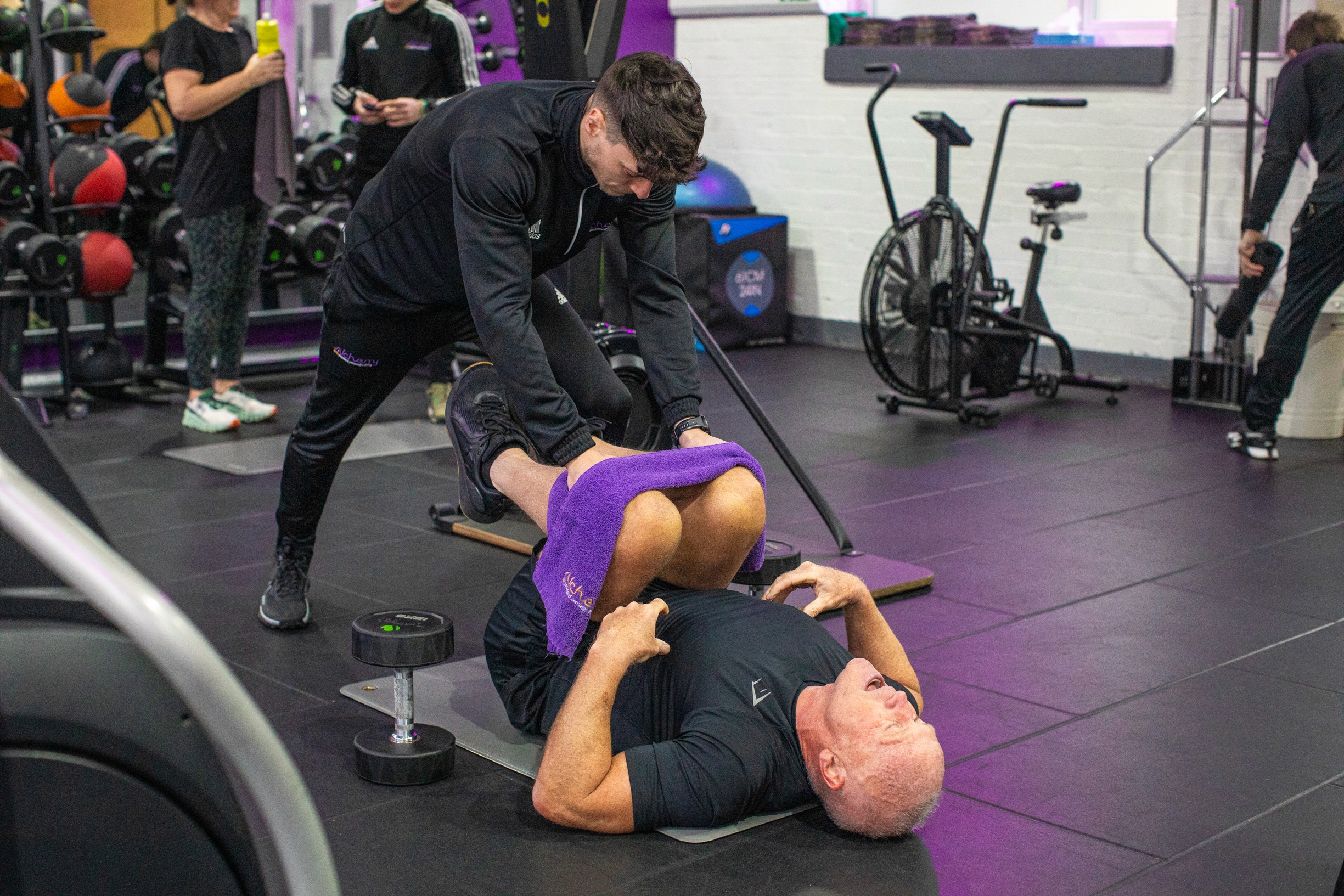
While there’s no “cure” for DOMS, several strategies can make you feel better faster:
Gentle movement / active recovery
Light activities, such as walking, cycling, or gentle yoga, can help your muscles feel less stiff. These movements increase blood flow, which delivers oxygen and nutrients to the sore muscles, thereby aiding in their repair. Think of it as helping your body “shake out” the soreness rather than sitting still.
Massage or foam rolling
Massaging sore muscles or using a foam roller can relieve tightness and improve circulation. This helps reduce discomfort and can make stretching or moving easier. Even a few minutes on each muscle group can make a noticeable difference.
Warm baths or showers
Warm water relaxes tense muscles and can soothe soreness after a tough workout. The heat encourages blood flow, which supports the healing process and helps you feel more comfortable. A 10-15 minute warm soak or shower is usually enough to notice relief.
Nutrition
Eating enough protein supports muscle repair, while anti-inflammatory foods, such as berries, leafy greens, and fatty fish, can help reduce soreness. Staying hydrated also helps your muscles recover efficiently. Remember, your recovery starts in the kitchen as much as in the gym!
Sleep and rest
Your body does most of its muscle repair while you’re asleep, so getting enough quality rest is essential. Poor sleep can slow recovery, exacerbate soreness, and impact performance in your next workout. Think of sleep as a key part of your training plan, not just downtime.
Stretching alone
Static stretching won’t prevent DOMS, but it can be helpful when combined with gentle movement or massage. Stretching helps maintain flexibility and makes muscles feel a bit looser as they recover. Just avoid forcing stretches on extremely sore muscles.
How can I prevent DOMS (or reduce its severity)?
While you can’t altogether avoid DOMS, you can make it more manageable:
Gradually increase intensity and load.
Stick to familiar exercises before trying brand-new movements.
Warm up and cool down properly. Dynamic stretches before, gentle stretches after.
Stay hydrated and fuel your body with good nutrition.
Allow adequate rest between sessions targeting the same muscle group.
Our personal trainers can help design a plan that gradually challenges your muscles without excessive soreness.
When should you seek professional help?
Seek professional advice if you notice:
Pain lasting more than a week
Swelling or bruising
Dark urine
Pain that limits daily activities
These could indicate a strain, tear, or more serious condition like rhabdomyolysis, not just normal DOMS.
What does DOMS mean for your training plan?

We help you plan workouts that balance intensity and recovery:
Rotate muscle groups to avoid overloading sore muscles.
Use active recovery days strategically.
Track your soreness, sleep, and nutrition to refine your program.
Include safe and effective workouts, such as body transformation, trim, build, and fit plans.
Remember: DOMS is normal. Smart management ensures it doesn’t slow your progress.
Taking Control of Your DOMS and Training
Feeling sore after a workout is a normal part of getting stronger, but it doesn’t have to slow you down. Delayed onset muscle soreness is your muscles’ way of adapting, repairing, and building resilience. By understanding what causes it, recognising the signs, and using smart recovery strategies, you can stay active, safe, and motivated.
Remember, mild soreness is okay and can even guide you in planning your workouts. Severe or persistent pain, however, is a signal to pause and seek professional advice. With a thoughtful approach, you can train effectively, even when DOMS shows up.
If you’ve ever felt that deep, achy soreness a day or two after a workout, you’ve likely experienced delayed onset muscle soreness (DOMS). It’s a common part of getting stronger, fitter, and healthier, but it can leave even the most committed gym-goers wondering, “Is this normal?”
We know starting or sticking to a fitness routine can feel overwhelming. That’s why we’re breaking down everything you need to know about DOMS, how it happens, and how to train safely when it shows up.
What is delayed onset muscle soreness (DOMS)?
DOMS is the soreness you feel in your muscles 12-72 hours after exercise. Unlike the minor discomfort you feel during a workout, DOMS can leave muscles tender, stiff, and slightly weaker for a couple of days.
It happens when your muscles are challenged in ways they’re not used to, like trying new exercises, lifting heavier weights, or doing more reps than usual. Think of it as your muscles adjusting and getting stronger.
It’s important to remember: soreness isn’t a measure of how good your workout was. Even when you’re doing everything right, DOMS can still show up.
Why does DOMS happen?
DOMS isn’t caused by lactic acid, as many people believe. Instead, it happens because tiny tears in your muscle fibers and connective tissue trigger a natural inflammatory response. Your body then repairs the muscles, making them stronger.
Movements that lengthen your muscle under tension, called eccentric movements, tend to cause more soreness. Examples include:
Lowering into a squat slowly
Walking downhill
The lowering phase of a bicep curl
Everyone experiences it differently. Factors such as fitness level, age, and previous workouts can affect how sore you’ll feel. Beginners often notice more soreness, while seasoned athletes may barely feel it after a familiar routine.
What are its symptoms?
Common signs of DOMS include:
Muscle tenderness to touch
Your muscles may feel sore or sensitive when you press on them. This tenderness occurs because the small tears in muscle fibers trigger mild inflammation as your body begins to repair them. It’s completely normal and usually eases within a few days.
Stiffness when moving
You may notice that your muscles feel tight or are harder to move than usual. This stiffness originates from both inflammation and temporary changes in your muscle tissue that occur after exercise. Gentle movement, such as stretching or light activity, can help alleviate discomfort.
Reduced range of motion
Your muscles may feel like they don’t stretch or bend as easily as usual. This happens because soreness and stiffness limit flexibility until the muscles recover. It’s best to avoid forcing movements during this period to prevent injury.
Mild swelling in the affected area
Some muscles may appear or feel slightly puffy after a strenuous workout. This is a result of increased blood flow and fluid moving into the muscle tissue during the repair process. Mild swelling is normal, but sharp or worsening swelling may indicate a more serious condition.
Temporary drop in strength
You may notice that lifting your usual weight feels harder, or your muscles fatigue more quickly. This happens because the tiny damage to muscle fibers temporarily reduces their ability to contract fully. Strength usually returns once the soreness subsides and the repair process is complete.
DOMS usually starts 12-24 hours after exercise, peaks around 24-72 hours later, and gradually subsides.
Red flags to watch for: sharp pain, swelling that worsens, or pain that lasts more than a week. These could indicate an injury, and you should stop and seek professional advice.
Does experiencing DOMS mean I worked hard?
It’s natural to think soreness equals progress, but that’s only partly true. DOMS is simply your muscles adapting. Over time, your body experiences the “repeated-bout effect”, meaning the same workout will often cause less soreness as your muscles strengthen.
We always encourage our clients in Wilmslow and Alderley Edge to focus on consistency, proper form, and gradual progression, not chasing soreness. Progress comes from smart training, not pain.
Can I still work out when I have DOMS?
Yes, working out with delayed onset muscle soreness is fine, but it depends on the severity of your soreness.
Mild DOMS
Light or moderate activity, like walking, yoga, or cycling, can help increase blood flow and reduce stiffness.
Severe DOMS
Avoid heavy lifting of the same muscle group. Modify your workout or focus on other muscles to prevent injury.
Some tips for training with DOMS:
Focus on mobility and stretching (not intense stretching of sore muscles).
Warm up thoroughly before starting any exercise.
Listen to your body. Pain beyond usual soreness is a signal to stop.
If you’re looking for a personal trainer, especially if you’re near Wilmslow or Alderley Edge, we can create a DOMS-friendly plan to keep you moving safely.
How long does it last, and what affects duration?
DOMS typically lasts 2-5 days, but it can stretch up to a week after very intense or new exercises.
Factors that affect duration include:
Intensity and type of exercise
Fitness level and muscle conditioning
Age and recovery capacity
Sleep, nutrition, and hydration
Don’t worry if soreness fades quickly over time. That’s just your muscles adapting.
What are the best treatments and recovery strategies for DOMS?
While there’s no “cure” for DOMS, several strategies can make you feel better faster:
Gentle movement / active recovery
Light activities, such as walking, cycling, or gentle yoga, can help your muscles feel less stiff. These movements increase blood flow, which delivers oxygen and nutrients to the sore muscles, thereby aiding in their repair. Think of it as helping your body “shake out” the soreness rather than sitting still.
Massage or foam rolling
Massaging sore muscles or using a foam roller can relieve tightness and improve circulation. This helps reduce discomfort and can make stretching or moving easier. Even a few minutes on each muscle group can make a noticeable difference.
Warm baths or showers
Warm water relaxes tense muscles and can soothe soreness after a tough workout. The heat encourages blood flow, which supports the healing process and helps you feel more comfortable. A 10-15 minute warm soak or shower is usually enough to notice relief.
Nutrition
Eating enough protein supports muscle repair, while anti-inflammatory foods, such as berries, leafy greens, and fatty fish, can help reduce soreness. Staying hydrated also helps your muscles recover efficiently. Remember, your recovery starts in the kitchen as much as in the gym!
Sleep and rest
Your body does most of its muscle repair while you’re asleep, so getting enough quality rest is essential. Poor sleep can slow recovery, exacerbate soreness, and impact performance in your next workout. Think of sleep as a key part of your training plan, not just downtime.
Stretching alone
Static stretching won’t prevent DOMS, but it can be helpful when combined with gentle movement or massage. Stretching helps maintain flexibility and makes muscles feel a bit looser as they recover. Just avoid forcing stretches on extremely sore muscles.
How can I prevent DOMS (or reduce its severity)?
While you can’t altogether avoid DOMS, you can make it more manageable:
Gradually increase intensity and load.
Stick to familiar exercises before trying brand-new movements.
Warm up and cool down properly. Dynamic stretches before, gentle stretches after.
Stay hydrated and fuel your body with good nutrition.
Allow adequate rest between sessions targeting the same muscle group.
Our personal trainers can help design a plan that gradually challenges your muscles without excessive soreness.
When should you seek professional help?
Seek professional advice if you notice:
Pain lasting more than a week
Swelling or bruising
Dark urine
Pain that limits daily activities
These could indicate a strain, tear, or more serious condition like rhabdomyolysis, not just normal DOMS.
What does DOMS mean for your training plan?
We help you plan workouts that balance intensity and recovery:
Rotate muscle groups to avoid overloading sore muscles.
Use active recovery days strategically.
Track your soreness, sleep, and nutrition to refine your program.
Include safe and effective workouts, such as body transformation, trim, build, and fit plans.
Remember: DOMS is normal. Smart management ensures it doesn’t slow your progress.
Taking Control of Your DOMS and Training
Feeling sore after a workout is a normal part of getting stronger, but it doesn’t have to slow you down. Delayed onset muscle soreness is your muscles’ way of adapting, repairing, and building resilience. By understanding what causes it, recognising the signs, and using smart recovery strategies, you can stay active, safe, and motivated.
Remember, mild soreness is okay and can even guide you in planning your workouts. Severe or persistent pain, however, is a signal to pause and seek professional advice. With a thoughtful approach, you can train effectively, even when DOMS shows up.
Table of Content
Frequently Asked Questions
Frequently Asked Questions
Can DOMS affect all muscle groups equally?
Does age or fitness level change how sore I get?
Will taking painkillers help DOMS recover faster?
Can it be a sign I overdid my workout?
Is it better to train the same muscles when they are sore or wait?



Alchemy PT are UK’s number one personal trainers. Situated in central Wilmslow, we have over 2,000 square feet of space for our Personal Training Studio.
WhatsApp Us
Call Us
Alchemy - © Copyright 2026 |
Website by ARENA
Alchemy PT are UK’s number one personal trainers. Situated in central Wilmslow, we have over 2,000 square feet of space for our Personal Training Studio.
WhatsApp Us
Call Us
Alchemy - © Copyright 2026 |
Website by ARENA
Alchemy PT are UK’s number one personal trainers. Situated in central Wilmslow, we have over 2,000 square feet of space for our Personal Training Studio.
WhatsApp Us
Call Us
Alchemy - © Copyright 2026 |
Website by ARENA
Alchemy PT are UK’s number one personal trainers. Situated in central Wilmslow, we have over 2,000 square feet of space for our Personal Training Studio.
WhatsApp Us
Call Us
Alchemy - © Copyright 2026 |
Website by ARENA