Walking vs. Running for Weight Loss: Which Is Right for You
Walking vs. Running for Weight Loss: Which Is Right for You
Published Date:
Published Date:
Last Updated:
Last Updated:
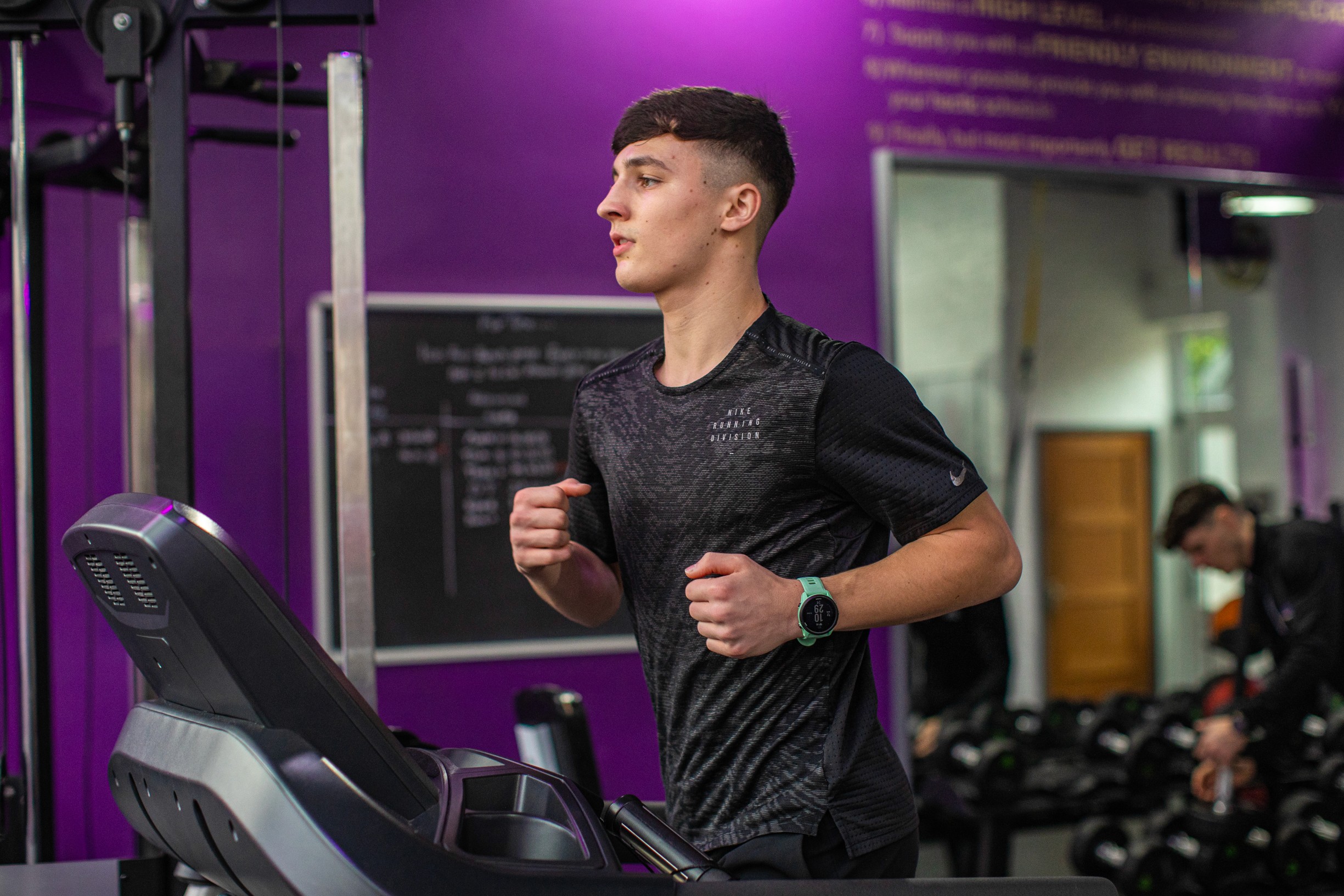
Cardio exercises are the classic first step in any weight-loss goal. If you’re juggling work and family, you might wonder which easy routine is more suitable: walking or running?
Running may feel like an obvious choice. It burns more energy, raises your heart rate, and pushes you harder. However, it is not that simple. Results are not decided by intensity alone.
Walking and running both get you there. The difference is finding the one that fits your current situation. Read on to learn which path will work best for your target fitness.
Understanding Weight Loss Fundamentals
Your body uses calories as fuel to move and function every day. If you consistently use more calories than you consume, your system starts burning stored energy, which includes fats.
That’s actually how weight loss works.
Cardio routines help because they increase how much energy your body uses, while helping shape and protect your muscles as fats reduce. Both walking and running increase calorie burn, but vary in exertion and the length of time you can do each comfortably.
Calorie Burn Comparison
Calories Burned in Walking
A brisk 30-minute walk typically burns around 150 to 250 calories, based on your body weight, pace, and terrain. That means if you weigh more, your body uses additional energy to move. If you weigh less, the burn is slightly lower.
Calories Burned in Running
Running burns more calories in a shorter period. A 30-minute run can burn roughly 250 to 400 calories, depending on your speed and body mass. A faster pace and heavier body weight increase calorie use. But even a slower, steady jog still burns more per minute than walking.
Picking the Right Cardio: Walking vs. Running
Deciding between walking and running isn’t about which is better. It’s about choosing the option that aligns with your lifestyle, current fitness level, and long-term goals. Ultimately, both options can help you lose weight and feel healthier, but the right choice could be determined by:
Current Fitness Level
If you are new to structured exercises, walking is an excellent choice to begin. It builds endurance gradually, is easier for your joints, and helps your heart and lungs adapt without overwhelming you.
If you already have some experience with cardio or moderate exercise, running might feel more natural. It challenges your system faster, burns calories more efficiently per minute, and helps improve stamina. However, it demands more recovery.
Physical Comfort and Health
Your body needs and limitations are important. Walking is naturally lower-impact, which means it places less stress on your knees and hips. This makes it an excellent choice for beginners, older adults, or anyone who is managing mild aches or recovering from previous injuries. Given that it’s gentler, you can do it more frequently without worrying about soreness.
Running, on the other hand, puts more tension on joints and muscles because each step involves greater impact. This isn’t necessarily a problem, but it requires careful progression to prevent injury.
Motivation and Enjoyment
Enjoyment is one of the most important factors when choosing between the two. Exercise is not just about getting fit; it's about building habits that last.
If you dread running, you’re less likely to lace up your shoes regularly. Conversely, if you find walking boring and unstimulating, it can be easy to skip sessions. That’s why finding an activity you genuinely find satisfying increases the chance that you’ll stick with it week after week, which essentially produces results.
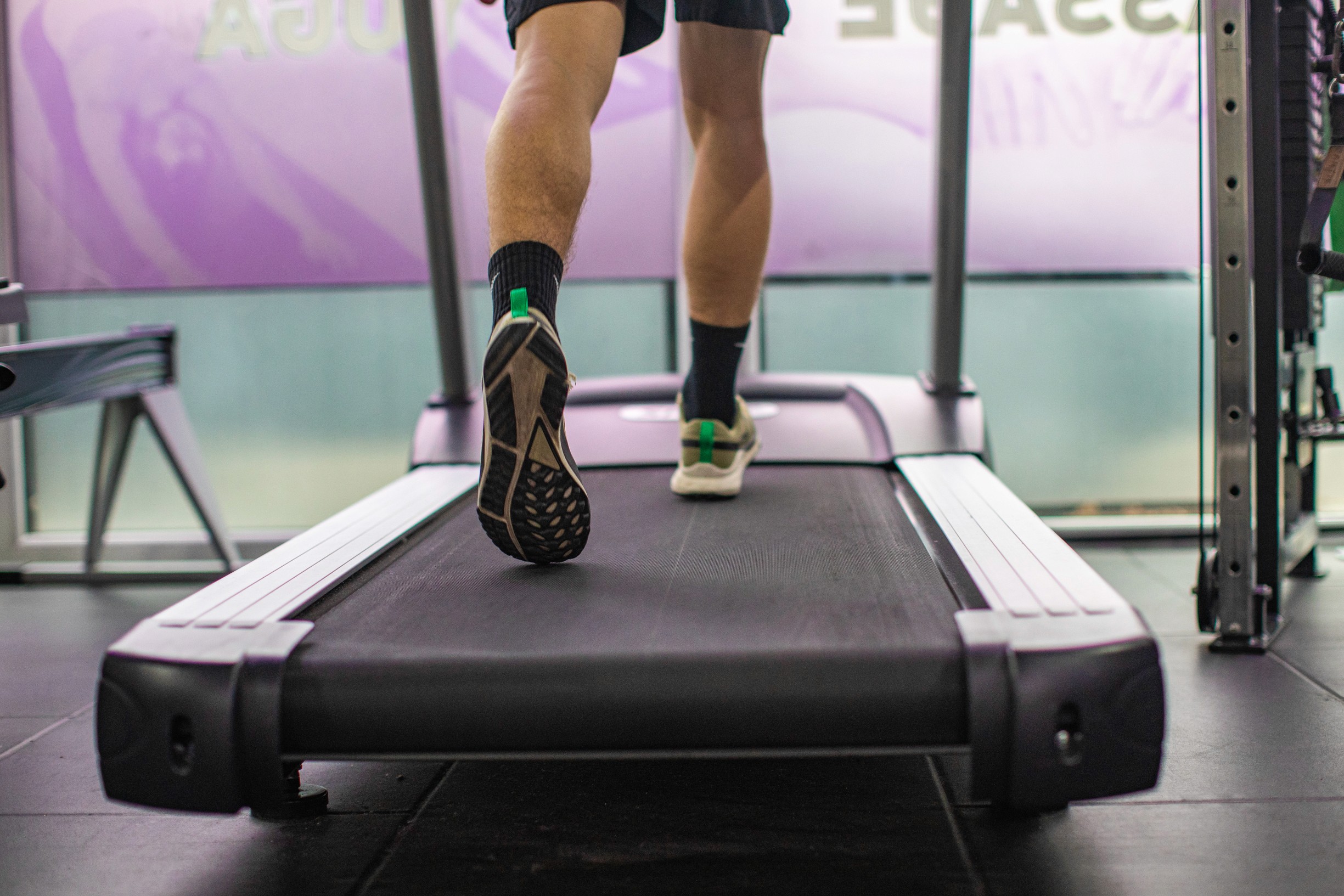
Benefits of Walking
Walking is often underestimated, but it is one of the most impactful and accessible forms of exercise. It may feel simple, but its benefits reach far beyond calorie burn.
Here’s what makes it so powerful:
Improves Balance and Posture
Walking stabilises your muscles, improves coordination, and supports better alignment in your every movement.
Supports Extended Calorie Burn
Lower intensity means you can walk for longer periods at a relaxed pace, tapping into fat stores steadily, giving your metabolism a sustained boost.
Promotes Mental Clarity And Energy
A brisk walk clears your mind, reduces stress, and increases alertness, offering your body a refreshing lift without draining your stamina.
Flexible And Entertaining
Walking fits easily into nearly any lifestyle. You can explore local trails or listen to a podcast. It’s a movement you can do on top of other things you enjoy.
How to Progress Walking
Although effective on its own, you can turn walking into a fat-burning powerhouse. Below are some ways to elevate your sessions and get the most out of every step:
Incorporate Inclines And Hills
Incline walking engages glutes, hamstrings, and calves more than flat surfaces. Hills also raise your heart rate, boosting cardiovascular benefits without the extra impact of running.
Mix Up Your Pace
Alternate between brisk, steady, and short bursts of faster walking. These interval-style routines increase your calorie burn and help your body adapt to higher intensity.
Add Purposeful Movements
Swing your arms, carry light weights, or use walking poles. These small adjustments increase the use of energy and can turn a simple walk into a total-body workout.
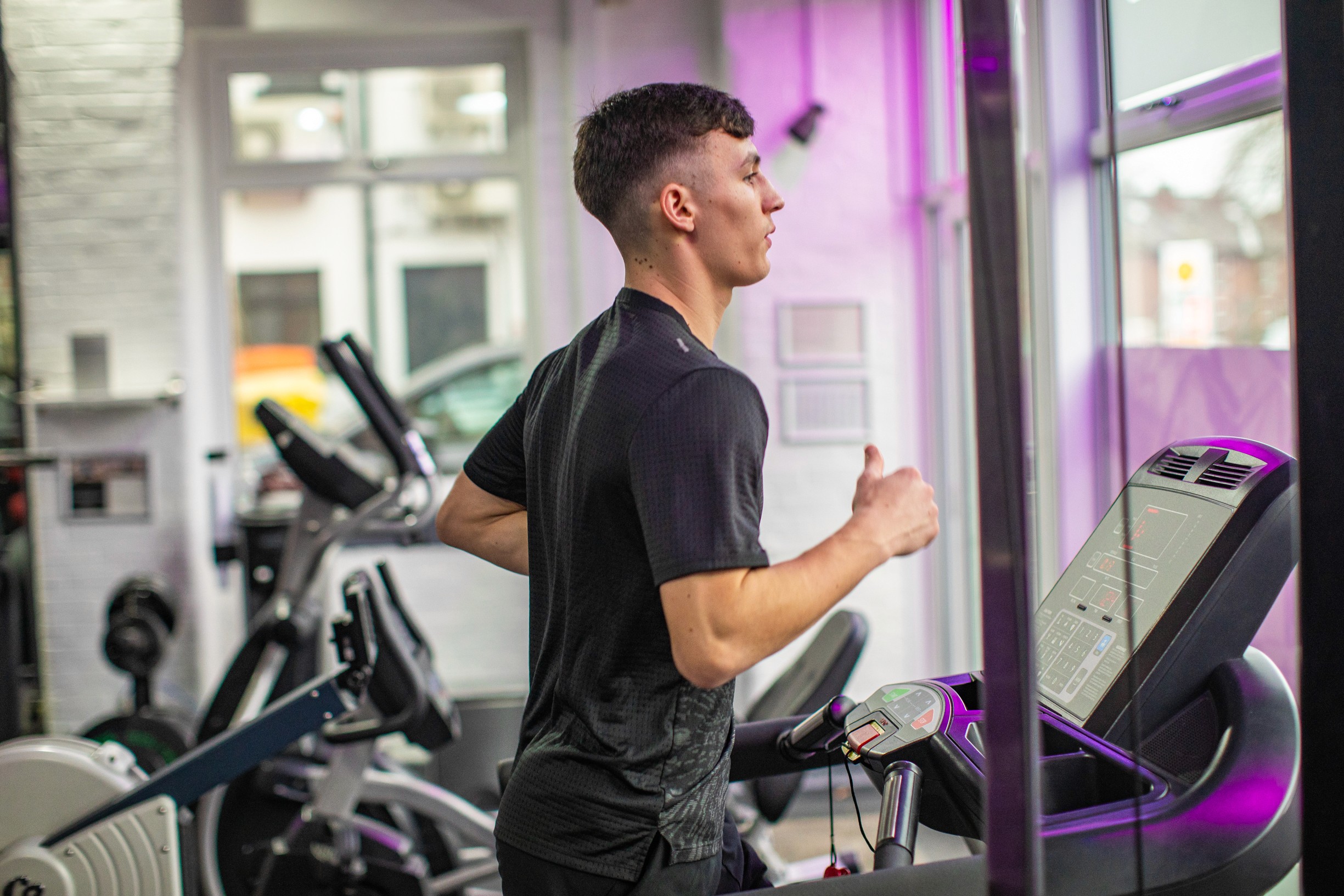
Benefits of Running
Running delivers a different set of rewards, designed to push your body and boost efficiency. Here’s why many people love it for weight loss:
High Calorie Burn in Less Time
Running is strenuous, which means you can burn more calories in shorter sessions. Perfect for a short workout with maximum results.
Rapid Cardiovascular Improvement
When done continuously, you’ll notice stronger endurance, better stamina and improved energy for daily life.
Stronger Bones Through Impact Loading
Running stimulates bone density and strengthens muscles in your legs, hips, and core. This can help protect against future injuries and support overall functional fitness.
Performance Milestones That Build Motivation
Tracking distance or completing your first 5k gives a sense of achievement. These wins keep you engaged and consistent, which is essential for long-term progress.
How to Progress Running
Running already delivers exceptional weight-loss and fitness benefits, but you can take it even further by varying your approach. Here are ways to challenge your body and keep your runs engaging:
Try Specialised Runs
Fartlek, tempo, and recovery runs add variety, prevent plateaus, and make training more enjoyable. Different types of runs also target speed and resistance in complementary ways.
Adjust Pace Strategically
Long, steady runs build endurance, while shorter, faster runs push your system’s limits. Combining both types ensures you target overall fitness.
Use Time-Based Goals
Running in a set duration develops physical resilience without the mental pressure of pace. This is a perfect approach to do interval runs for an enhanced cardio run.
Common Mistakes That Slow Goals
Even the most motivated walkers and runners can unknowingly slow their results if they fall into a few common pitfalls. Avoiding these missteps helps you stay consistent and see steady improvements.
Trying to Do Too Much
One of the biggest oversights is ramping up distance or speed too quickly. It’s tempting to push hard after a few good sessions, but a sudden rise can lead to soreness, fatigue, or even injury. When it happens, it can derail your routine and make you less motivated to continue.
Instead, focus on small, gradual increases. For example, add 5 to 10% more distance each week or accelerate the pace slightly, rather than jumping to longer or faster drills all at once.
Ignoring Strength Training
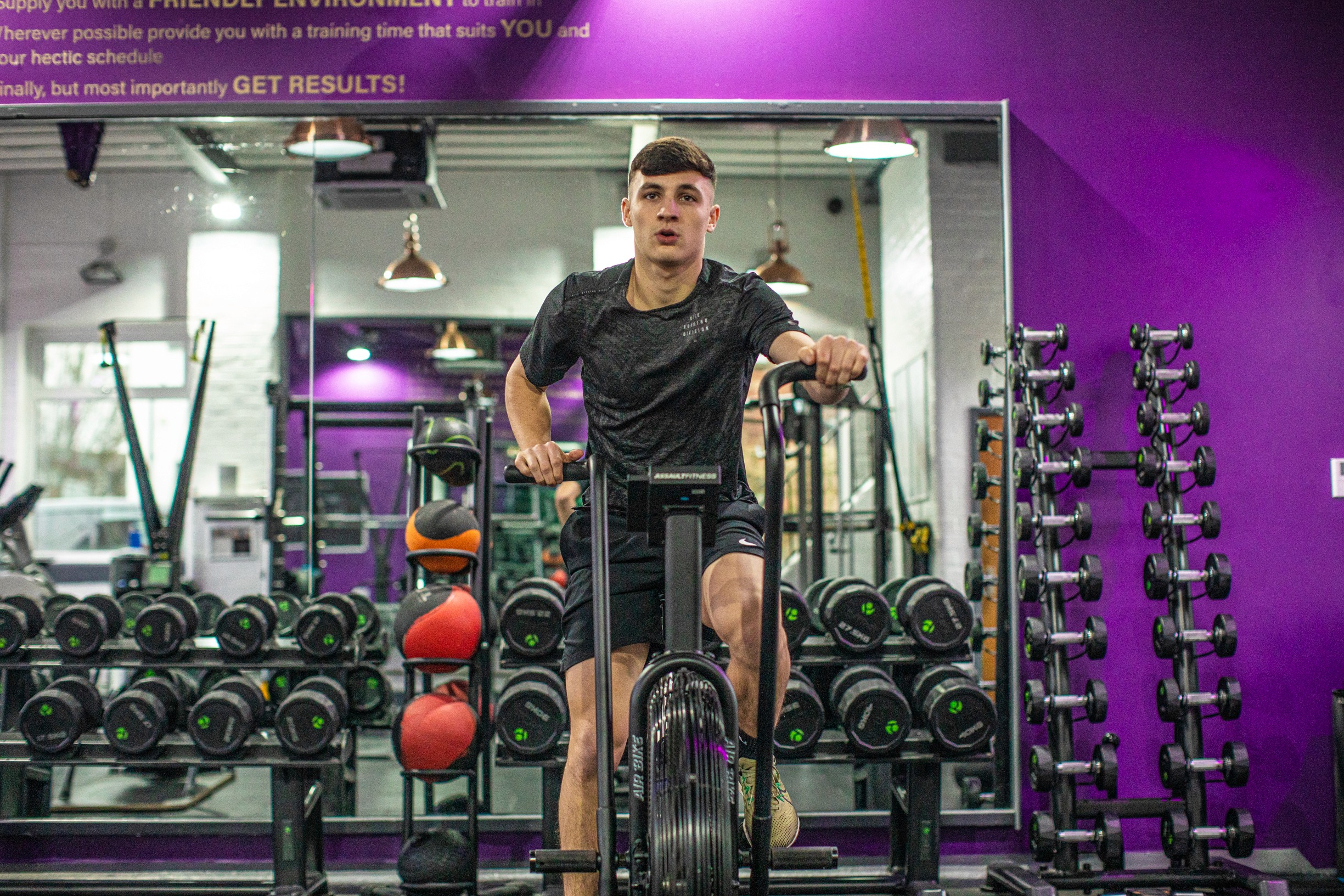
Many people think cardio is enough for weight loss, but conditioning workouts play an important role, too. Walking and running help you burn calories, but adding muscle makes your body look and work more efficiently overall.
When you build muscles, your body:
Burns more calories throughout the day, even when you’re resting
Looks firmer and more toned
Supports and protects your joints during longer walks and runs
Think of strength training as your cardio exercises’ partner. The stronger your body becomes, the easier and safer your walking and running routine will feel.
Skipping Structure
Random workouts may feel flexible, but a lack of planning makes progress harder to measure. Without a structured routine, it’s easy to miss sessions, repeat the same intensity every day, and slow down without realising it.
Creating a weekly plan doesn’t have to be complicated. Even a simple schedule is fine, like:
Monday: Brisk walk for 30 minutes
Wednesday: Short jog/run intervals 20 to 30 minutes
Friday: Specialised cardio for 20 minutes
Weekend: Longer walk or light jog
Your Next Steps to Weight Loss Start Here
You’ve already taken a powerful step by understanding how both exercises work. Now, let’s keep the momentum going with support and guidance every step forward.
Our personal trainers in Wilmslow and Alderley Edge are here to help you design a safe and methodical routine tailored to what you want to achieve.
For those looking to accelerate results, our Trim Program is a perfect complement for walks and runs, designed to help you burn fat, build lean muscle, and keep your results progressing.
Cardio exercises are the classic first step in any weight-loss goal. If you’re juggling work and family, you might wonder which easy routine is more suitable: walking or running?
Running may feel like an obvious choice. It burns more energy, raises your heart rate, and pushes you harder. However, it is not that simple. Results are not decided by intensity alone.
Walking and running both get you there. The difference is finding the one that fits your current situation. Read on to learn which path will work best for your target fitness.
Understanding Weight Loss Fundamentals
Your body uses calories as fuel to move and function every day. If you consistently use more calories than you consume, your system starts burning stored energy, which includes fats.
That’s actually how weight loss works.
Cardio routines help because they increase how much energy your body uses, while helping shape and protect your muscles as fats reduce. Both walking and running increase calorie burn, but vary in exertion and the length of time you can do each comfortably.
Calorie Burn Comparison
Calories Burned in Walking
A brisk 30-minute walk typically burns around 150 to 250 calories, based on your body weight, pace, and terrain. That means if you weigh more, your body uses additional energy to move. If you weigh less, the burn is slightly lower.
Calories Burned in Running
Running burns more calories in a shorter period. A 30-minute run can burn roughly 250 to 400 calories, depending on your speed and body mass. A faster pace and heavier body weight increase calorie use. But even a slower, steady jog still burns more per minute than walking.
Picking the Right Cardio: Walking vs. Running
Deciding between walking and running isn’t about which is better. It’s about choosing the option that aligns with your lifestyle, current fitness level, and long-term goals. Ultimately, both options can help you lose weight and feel healthier, but the right choice could be determined by:
Current Fitness Level
If you are new to structured exercises, walking is an excellent choice to begin. It builds endurance gradually, is easier for your joints, and helps your heart and lungs adapt without overwhelming you.
If you already have some experience with cardio or moderate exercise, running might feel more natural. It challenges your system faster, burns calories more efficiently per minute, and helps improve stamina. However, it demands more recovery.
Physical Comfort and Health
Your body needs and limitations are important. Walking is naturally lower-impact, which means it places less stress on your knees and hips. This makes it an excellent choice for beginners, older adults, or anyone who is managing mild aches or recovering from previous injuries. Given that it’s gentler, you can do it more frequently without worrying about soreness.
Running, on the other hand, puts more tension on joints and muscles because each step involves greater impact. This isn’t necessarily a problem, but it requires careful progression to prevent injury.
Motivation and Enjoyment
Enjoyment is one of the most important factors when choosing between the two. Exercise is not just about getting fit; it's about building habits that last.
If you dread running, you’re less likely to lace up your shoes regularly. Conversely, if you find walking boring and unstimulating, it can be easy to skip sessions. That’s why finding an activity you genuinely find satisfying increases the chance that you’ll stick with it week after week, which essentially produces results.
Benefits of Walking
Walking is often underestimated, but it is one of the most impactful and accessible forms of exercise. It may feel simple, but its benefits reach far beyond calorie burn.
Here’s what makes it so powerful:
Improves Balance and Posture
Walking stabilises your muscles, improves coordination, and supports better alignment in your every movement.
Supports Extended Calorie Burn
Lower intensity means you can walk for longer periods at a relaxed pace, tapping into fat stores steadily, giving your metabolism a sustained boost.
Promotes Mental Clarity And Energy
A brisk walk clears your mind, reduces stress, and increases alertness, offering your body a refreshing lift without draining your stamina.
Flexible And Entertaining
Walking fits easily into nearly any lifestyle. You can explore local trails or listen to a podcast. It’s a movement you can do on top of other things you enjoy.
How to Progress Walking
Although effective on its own, you can turn walking into a fat-burning powerhouse. Below are some ways to elevate your sessions and get the most out of every step:
Incorporate Inclines And Hills
Incline walking engages glutes, hamstrings, and calves more than flat surfaces. Hills also raise your heart rate, boosting cardiovascular benefits without the extra impact of running.
Mix Up Your Pace
Alternate between brisk, steady, and short bursts of faster walking. These interval-style routines increase your calorie burn and help your body adapt to higher intensity.
Add Purposeful Movements
Swing your arms, carry light weights, or use walking poles. These small adjustments increase the use of energy and can turn a simple walk into a total-body workout.
Benefits of Running
Running delivers a different set of rewards, designed to push your body and boost efficiency. Here’s why many people love it for weight loss:
High Calorie Burn in Less Time
Running is strenuous, which means you can burn more calories in shorter sessions. Perfect for a short workout with maximum results.
Rapid Cardiovascular Improvement
When done continuously, you’ll notice stronger endurance, better stamina and improved energy for daily life.
Stronger Bones Through Impact Loading
Running stimulates bone density and strengthens muscles in your legs, hips, and core. This can help protect against future injuries and support overall functional fitness.
Performance Milestones That Build Motivation
Tracking distance or completing your first 5k gives a sense of achievement. These wins keep you engaged and consistent, which is essential for long-term progress.
How to Progress Running
Running already delivers exceptional weight-loss and fitness benefits, but you can take it even further by varying your approach. Here are ways to challenge your body and keep your runs engaging:
Try Specialised Runs
Fartlek, tempo, and recovery runs add variety, prevent plateaus, and make training more enjoyable. Different types of runs also target speed and resistance in complementary ways.
Adjust Pace Strategically
Long, steady runs build endurance, while shorter, faster runs push your system’s limits. Combining both types ensures you target overall fitness.
Use Time-Based Goals
Running in a set duration develops physical resilience without the mental pressure of pace. This is a perfect approach to do interval runs for an enhanced cardio run.
Common Mistakes That Slow Goals
Even the most motivated walkers and runners can unknowingly slow their results if they fall into a few common pitfalls. Avoiding these missteps helps you stay consistent and see steady improvements.
Trying to Do Too Much
One of the biggest oversights is ramping up distance or speed too quickly. It’s tempting to push hard after a few good sessions, but a sudden rise can lead to soreness, fatigue, or even injury. When it happens, it can derail your routine and make you less motivated to continue.
Instead, focus on small, gradual increases. For example, add 5 to 10% more distance each week or accelerate the pace slightly, rather than jumping to longer or faster drills all at once.
Ignoring Strength Training
Many people think cardio is enough for weight loss, but conditioning workouts play an important role, too. Walking and running help you burn calories, but adding muscle makes your body look and work more efficiently overall.
When you build muscles, your body:
Burns more calories throughout the day, even when you’re resting
Looks firmer and more toned
Supports and protects your joints during longer walks and runs
Think of strength training as your cardio exercises’ partner. The stronger your body becomes, the easier and safer your walking and running routine will feel.
Skipping Structure
Random workouts may feel flexible, but a lack of planning makes progress harder to measure. Without a structured routine, it’s easy to miss sessions, repeat the same intensity every day, and slow down without realising it.
Creating a weekly plan doesn’t have to be complicated. Even a simple schedule is fine, like:
Monday: Brisk walk for 30 minutes
Wednesday: Short jog/run intervals 20 to 30 minutes
Friday: Specialised cardio for 20 minutes
Weekend: Longer walk or light jog
Your Next Steps to Weight Loss Start Here
You’ve already taken a powerful step by understanding how both exercises work. Now, let’s keep the momentum going with support and guidance every step forward.
Our personal trainers in Wilmslow and Alderley Edge are here to help you design a safe and methodical routine tailored to what you want to achieve.
For those looking to accelerate results, our Trim Program is a perfect complement for walks and runs, designed to help you burn fat, build lean muscle, and keep your results progressing.
Table of Content
Frequently Asked Questions
Frequently Asked Questions
Is it okay if walking is your only exercise?
Are runners fitter than walkers?
How many kilometres is healthy to walk a day?
Which type of walking is best for weight loss?
Is running bad for your knee?



Alchemy PT are UK’s number one personal trainers. Situated in central Wilmslow, we have over 2,000 square feet of space for our Personal Training Studio.
Call Us
Alchemy - © Copyright 2026 |
Website by ARENA
Alchemy PT are UK’s number one personal trainers. Situated in central Wilmslow, we have over 2,000 square feet of space for our Personal Training Studio.
Call Us
Alchemy - © Copyright 2026 |
Website by ARENA
Alchemy PT are UK’s number one personal trainers. Situated in central Wilmslow, we have over 2,000 square feet of space for our Personal Training Studio.
Call Us
Alchemy - © Copyright 2026 |
Website by ARENA
Alchemy PT are UK’s number one personal trainers. Situated in central Wilmslow, we have over 2,000 square feet of space for our Personal Training Studio.
Call Us
Alchemy - © Copyright 2026 |
Website by ARENA