PRIVATE GYM OPEN 7 DAYS A WEEK IN WILMSLOW AND ALDERLEY EDGE, CHESHIRE.

Exercise for Kids: Benefits, Tips, & Examples to Keep Them Active

Exercise for Kids: Benefits, Tips, & Examples to Keep Them Active

Nov 21, 2025

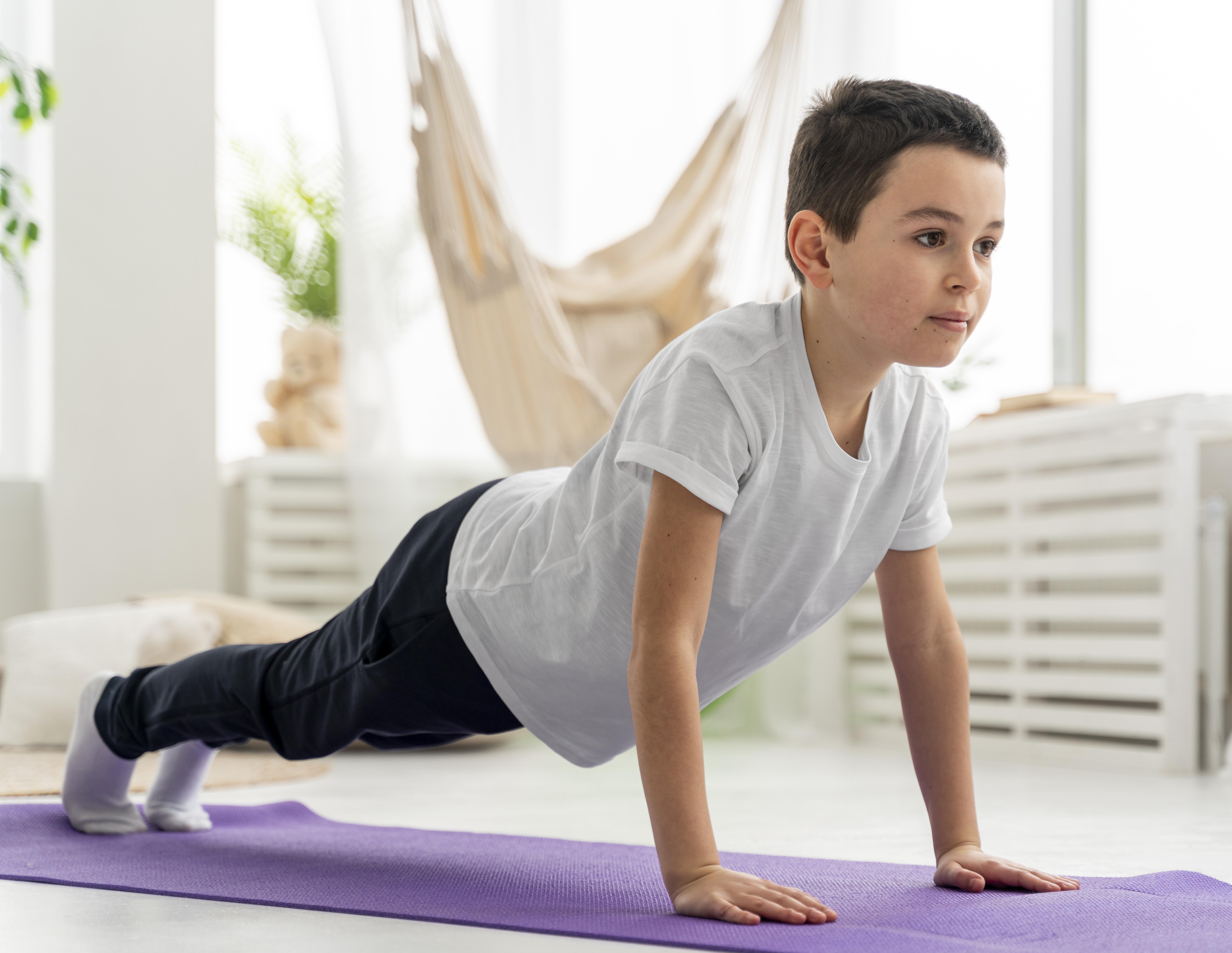
A young boy in a white T-shirt and black pants practices yoga in a plank position on a purple mat, in a bright room with a hammock and soft toys.

Keeping kids active can sometimes feel like a juggling act. Between school, homework, and screen time, it’s easy for physical activity to take a backseat. But the good news? Exercise doesn’t have to be a chore. With the right approach, your child can enjoy movement, develop healthy habits, and have fun simultaneously.

Whether you’re searching for a personal trainer near me in Wilmslow or Alderley Edge, or just looking for tips to keep your kids moving at home, this guide has you covered.

Why is exercise important for kids?

Exercise does far more than keep kids from sitting too long. It helps their bodies grow strong, improves focus, and boosts mood. Here’s why staying active matters:

Physical growth

Regular exercise strengthens bones, muscles, and joints, helping kids develop a strong and healthy body. Activities such as running, climbing, or swimming enhance coordination and motor skills. Over time, this builds a solid foundation for lifelong fitness and reduces the risk of injuries.

Mental health

Moving their bodies can significantly boost children’s mood and reduce stress or anxiety. Exercise releases endorphins, which help them feel happier and more relaxed. It also improves focus and memory, making schoolwork and learning easier.

Social skills

Team games, sports, and group activities teach children how to cooperate, communicate effectively, and solve problems collaboratively. They learn essential skills, such as sharing, patience, and empathy, while having fun. These experiences build confidence and help them form lasting friendships.

Long-term habits

Children who engage in regular physical activity are more likely to maintain an active lifestyle as teens and adults. Building a routine of movement early encourages healthier lifestyle choices later in life. By making exercise fun and consistent, you set the stage for lifelong wellness.

A family-friendly, consistent approach can turn exercise into a fun, everyday habit rather than a task.

How much exercise do kids really need each day?
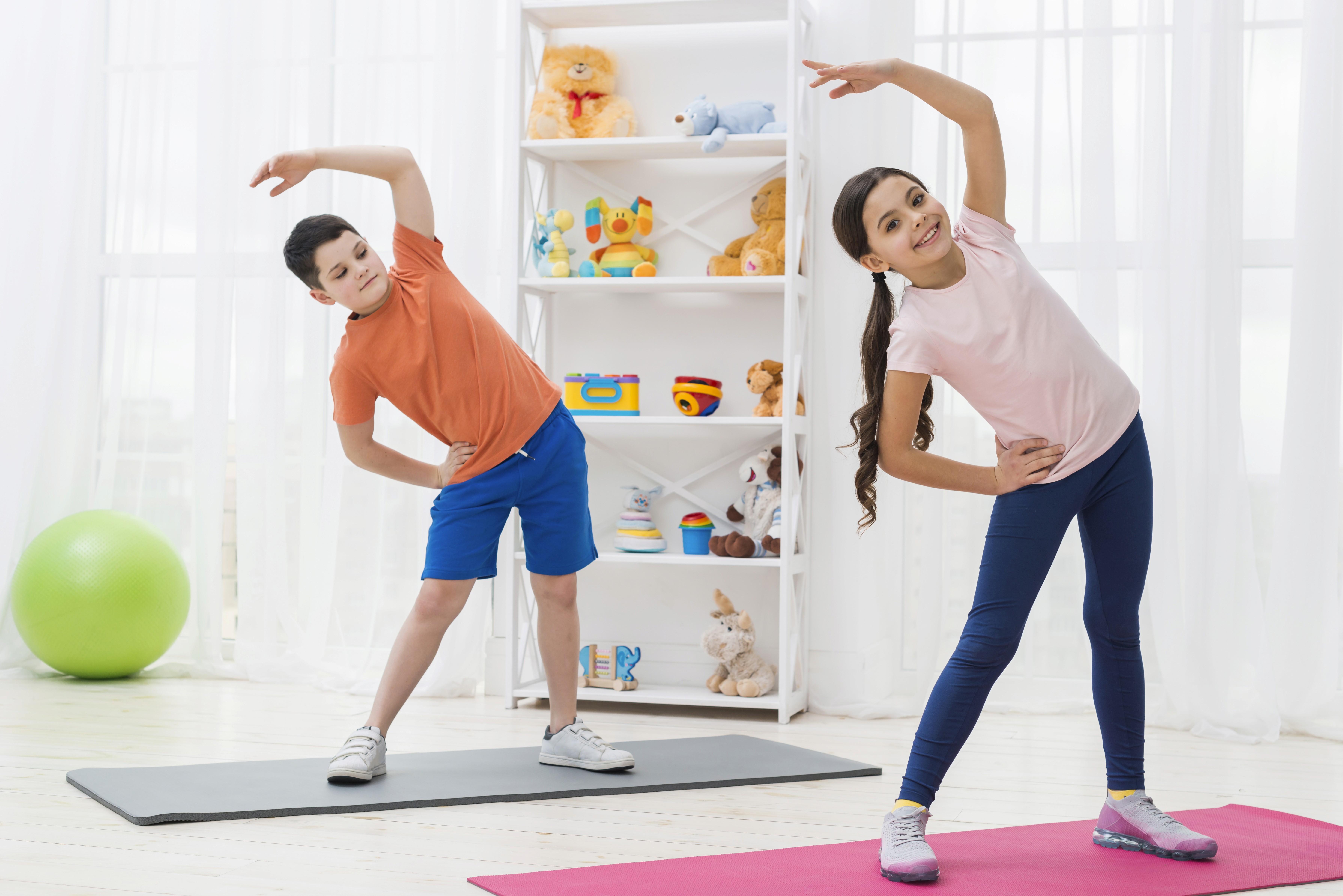
Two children are stretching on yoga mats in a bright room, smiling. A white shelf with colorful toys is in the background, creating a playful atmosphere.

The amount of activity your child needs depends on their age:

Toddlers (ages 1-2)

Toddlers should be physically active for at least 180 minutes (3 hours) each day, spread throughout the day. This mix of movement can include light activity (standing, walking) and more energetic play (running, jumping, climbing). The key is: it doesn’t have to be one long session. Short bursts of active play many times a day count.

Pre‑schoolers (ages 3-4)

Children aged 3-4 should aim for at least 3 hours of physical activity each day, with part of that being more intensive and playful movement. That could mean a mix of dancing, playground games, hopping, and other fun activities that get the body moving. Breaking up long periods of sitting or screen time is especially important for this age group. 

Children and adolescents (ages 5+)

Once children are school‑age, the guideline shifts slightly: at least 60 minutes of moderate‑to‑vigorous physical activity each day, plus strength and bone‑strengthening activities at least 3 days a week.

“Moderate‑to‐vigorous” simply means activity that speeds the heart rate and makes breathing a little harder — like running, playing football, skipping rope. The aim is to build habits now that help children stay active into their teens and beyond.

Mix in short bursts of movement throughout the day, like jumping jacks during homework breaks or dancing to music in the living room. Every bit counts!

What types of exercises are best for kids?

Four children joyfully run on a track under a clear blue sky. Their colorful athletic wear and smiling faces evoke energy and enthusiasm.

Variety keeps kids engaged and develops different skills:

  1. Cardio & fun movement

Cardio and fun movement are excellent for getting kids’ hearts pumping and building stamina. Activities like running, cycling, skipping, swimming, or dancing not only improve heart and lung health but also help children enjoyably burn energy. Making these exercises playful encourages consistency and keeps children coming back for more.

  1. Strength & coordination

Strength and coordination exercises help children develop control over their bodies and grow stronger. Bodyweight exercises, such as squats, push-ups, or climbing, build muscle safely, while games like hopping, throwing, and catching improve hand-eye coordination and motor skills. These activities lay the foundation for agility, balance, and confidence in everyday movements.

  1. Balance & flexibility

Balance and flexibility exercises are essential for maintaining good posture, building core strength, and preventing injuries. Practicing yoga, stretching, or balancing on one leg enhances body awareness and control, making everyday movements easier. Developing these skills early supports better performance in sports and other physical activities.

How can parents make kids more active without screens?
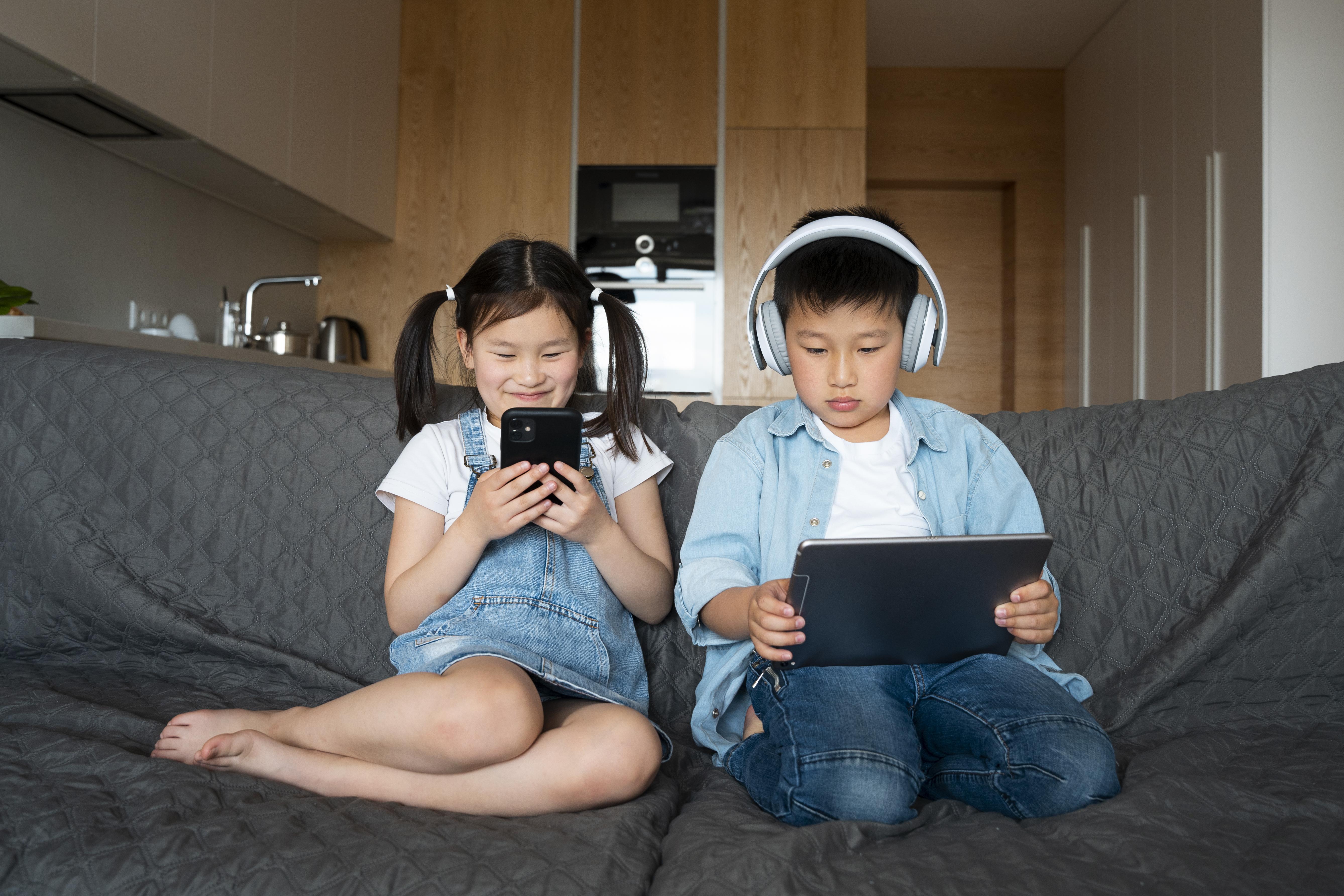
Two children sitting on a couch; a girl holding a smartphone smiles, while a boy wearing headphones focuses on a tablet. Cozy home setting.

It’s not always easy to pull children away from tablets or TVs. Try these ideas:

  • Turn chores into mini-challenges, such as who can tidy their room the fastest?

  • Play outdoor games like tag, hopscotch, or hide and seek.

  • Plan weekend family walks, bike rides, or trips to the park.

  • Encourage social play with friends for added fun.

The key is to make movement enjoyable rather than forced.

How can I keep my child safe while exercising?

Safety matters just as much as fun. Keep these tips in mind:

  • Environment check: Avoid slippery or uneven surfaces.

  • Age-appropriate equipment: Wear helmets, shin guards, and shoes that fit well.

  • Warm-up & cool-down: Light stretches and gentle movement.

  • Hydration: Drink plenty of water, especially in warm weather or during vigorous physical activity.

Safety rules help your child feel confident and ready to enjoy active play.

How can play equipment help kids stay active?

Make Movement Fun at Home

Equipment designed for active play isn’t just for gyms. It can turn everyday movement into a game. Mini trampolines, balance boards, resistance bands, or lightweight balls can make exercise exciting, encouraging kids to move more without even realising it.

Build Strength and Coordination

Using play equipment safely helps children develop muscle strength, balance, and coordination. Activities like hopping on a trampoline, balancing on a board, or tossing a ball improve motor skills while keeping exercise playful and engaging.

Encourage Independent Play

Having simple equipment at home lets children explore movement on their own or with friends. Independent play builds confidence, fosters creativity, and reinforces the habit of staying active daily.

Safety First

Always choose age-appropriate equipment and supervise when necessary. Proper sizing and correct use help reduce the risk of accidents and enable children to enjoy active play safely.

What exercises can kids do at home or in small spaces?
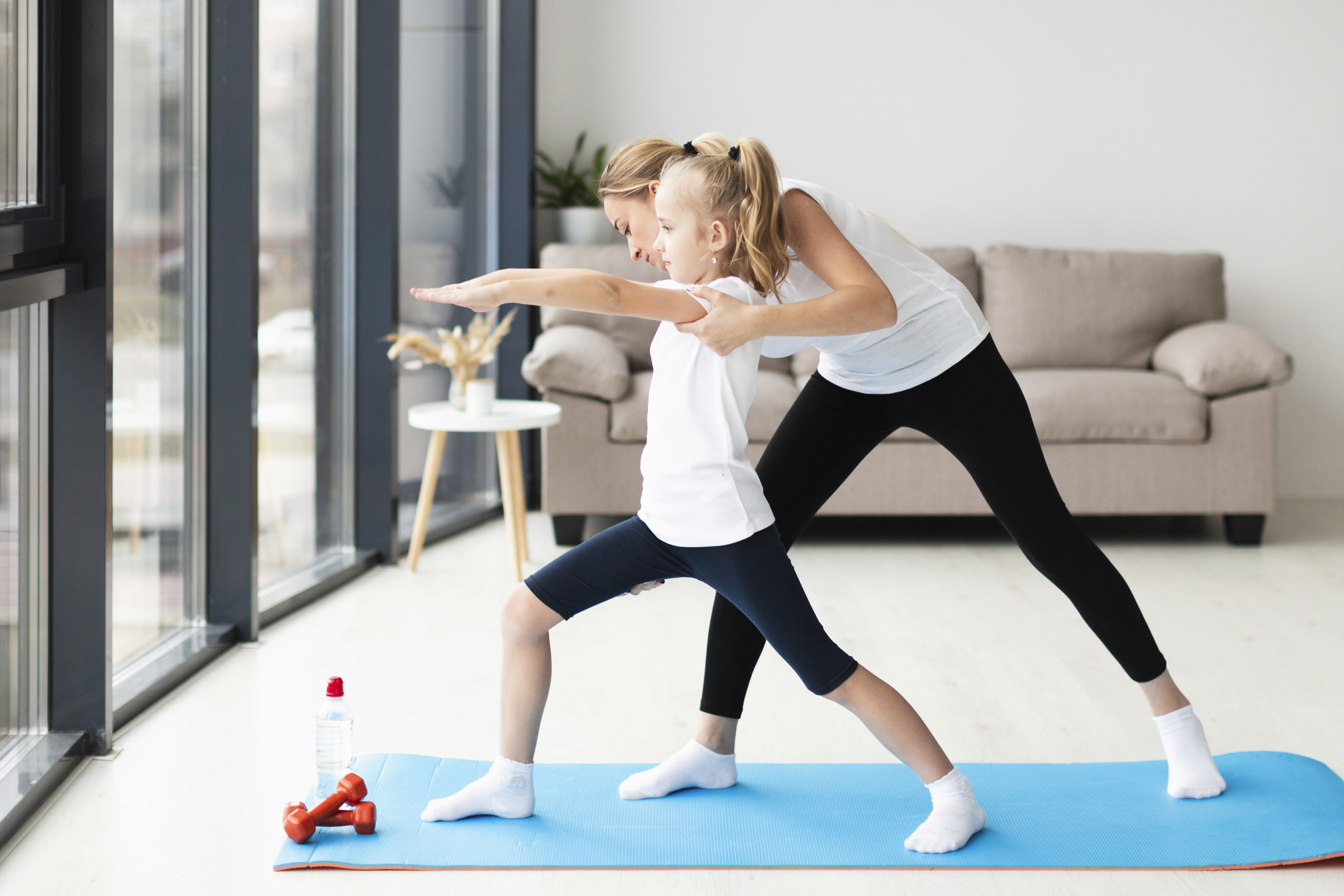
A woman helps a young girl in a yoga pose on a blue mat in a bright living room. They both look focused and calm, with a sofa and table in the background.

No need for a big backyard to stay active. Here are some ideas:

  • Bodyweight circuits: squats, lunges, jumping jacks, and push-ups in short sets.

  • Obstacle courses: cushions, chairs, and ropes make great indoor challenges.

  • Dance breaks: play music and have a 5–10 minute dance session.

  • Active games: Simon Says, treasure hunts, or balloon volleyball.

Short, fun bursts of movement throughout the day can match formal exercise sessions.

How can active kids develop healthy habits for life?

Encouraging active habits early helps children build a foundation for lifelong wellness. Linking movement with good nutrition is key; balanced meals provide the energy kids need to play, explore, and stay strong. Prioritising sleep is just as important because active bodies recover better and perform at their best when well-rested. 

Introducing hobbies that involve movement, such as swimming, martial arts, or cycling, gives children fun ways to stay active while learning new skills. Perhaps most importantly, leading by example makes a big difference. Kids are more likely to stay active when they see parents enjoying exercise too. By weaving activity into everyday life, you make movement a regular, enjoyable habit rather than a chore.

What are some expert tips to make exercise fun for kids?

Exercise is easier to stick with when it’s enjoyable. Experts recommend:

  • Turn exercises into games or challenges.

  • Add music to boost energy and mood.

  • Encourage group activities with friends or family.

  • Vary routines to keep things interesting.

Our friendly personal trainers in Wilmslow or Alderley Edge can also design fun, age-appropriate programs tailored for your child. For example, our Alchemy Kids program offers fun our Alchemy Kids program offers exciting activities that combine movement, games, and skill-building exercises. Each session is carefully structured to enhance strength, balance, coordination, and confidence, while maintaining a focus on fun. 

How to help your child stay active safely every day

Keeping kids moving is all about balance. Mix fun, safety, and consistency, and you’ll set them up for a lifetime of healthy habits. Whether it’s using kids' exercise equipment at home, joining a local sports team, or seeking guidance from a personal trainer, small steps every day make a big difference.

Remember, it’s not about perfection. It’s about encouraging movement, celebrating progress, and helping children enjoy an active lifestyle from an early age.

Keeping kids active can sometimes feel like a juggling act. Between school, homework, and screen time, it’s easy for physical activity to take a backseat. But the good news? Exercise doesn’t have to be a chore. With the right approach, your child can enjoy movement, develop healthy habits, and have fun simultaneously.

Whether you’re searching for a personal trainer near me in Wilmslow or Alderley Edge, or just looking for tips to keep your kids moving at home, this guide has you covered.

Why is exercise important for kids?

Exercise does far more than keep kids from sitting too long. It helps their bodies grow strong, improves focus, and boosts mood. Here’s why staying active matters:

Physical growth

Regular exercise strengthens bones, muscles, and joints, helping kids develop a strong and healthy body. Activities such as running, climbing, or swimming enhance coordination and motor skills. Over time, this builds a solid foundation for lifelong fitness and reduces the risk of injuries.

Mental health

Moving their bodies can significantly boost children’s mood and reduce stress or anxiety. Exercise releases endorphins, which help them feel happier and more relaxed. It also improves focus and memory, making schoolwork and learning easier.

Social skills

Team games, sports, and group activities teach children how to cooperate, communicate effectively, and solve problems collaboratively. They learn essential skills, such as sharing, patience, and empathy, while having fun. These experiences build confidence and help them form lasting friendships.

Long-term habits

Children who engage in regular physical activity are more likely to maintain an active lifestyle as teens and adults. Building a routine of movement early encourages healthier lifestyle choices later in life. By making exercise fun and consistent, you set the stage for lifelong wellness.

A family-friendly, consistent approach can turn exercise into a fun, everyday habit rather than a task.

How much exercise do kids really need each day?

Two children are stretching on yoga mats in a bright room, smiling. A white shelf with colorful toys is in the background, creating a playful atmosphere.

The amount of activity your child needs depends on their age:

Toddlers (ages 1-2)

Toddlers should be physically active for at least 180 minutes (3 hours) each day, spread throughout the day. This mix of movement can include light activity (standing, walking) and more energetic play (running, jumping, climbing). The key is: it doesn’t have to be one long session. Short bursts of active play many times a day count.

Pre‑schoolers (ages 3-4)

Children aged 3-4 should aim for at least 3 hours of physical activity each day, with part of that being more intensive and playful movement. That could mean a mix of dancing, playground games, hopping, and other fun activities that get the body moving. Breaking up long periods of sitting or screen time is especially important for this age group. 

Children and adolescents (ages 5+)

Once children are school‑age, the guideline shifts slightly: at least 60 minutes of moderate‑to‑vigorous physical activity each day, plus strength and bone‑strengthening activities at least 3 days a week.

“Moderate‑to‐vigorous” simply means activity that speeds the heart rate and makes breathing a little harder — like running, playing football, skipping rope. The aim is to build habits now that help children stay active into their teens and beyond.

Mix in short bursts of movement throughout the day, like jumping jacks during homework breaks or dancing to music in the living room. Every bit counts!

What types of exercises are best for kids?

Four children joyfully run on a track under a clear blue sky. Their colorful athletic wear and smiling faces evoke energy and enthusiasm.

Variety keeps kids engaged and develops different skills:

  1. Cardio & fun movement

Cardio and fun movement are excellent for getting kids’ hearts pumping and building stamina. Activities like running, cycling, skipping, swimming, or dancing not only improve heart and lung health but also help children enjoyably burn energy. Making these exercises playful encourages consistency and keeps children coming back for more.

  1. Strength & coordination

Strength and coordination exercises help children develop control over their bodies and grow stronger. Bodyweight exercises, such as squats, push-ups, or climbing, build muscle safely, while games like hopping, throwing, and catching improve hand-eye coordination and motor skills. These activities lay the foundation for agility, balance, and confidence in everyday movements.

  1. Balance & flexibility

Balance and flexibility exercises are essential for maintaining good posture, building core strength, and preventing injuries. Practicing yoga, stretching, or balancing on one leg enhances body awareness and control, making everyday movements easier. Developing these skills early supports better performance in sports and other physical activities.

How can parents make kids more active without screens?

Two children sitting on a couch; a girl holding a smartphone smiles, while a boy wearing headphones focuses on a tablet. Cozy home setting.

It’s not always easy to pull children away from tablets or TVs. Try these ideas:

  • Turn chores into mini-challenges, such as who can tidy their room the fastest?

  • Play outdoor games like tag, hopscotch, or hide and seek.

  • Plan weekend family walks, bike rides, or trips to the park.

  • Encourage social play with friends for added fun.

The key is to make movement enjoyable rather than forced.

How can I keep my child safe while exercising?

Safety matters just as much as fun. Keep these tips in mind:

  • Environment check: Avoid slippery or uneven surfaces.

  • Age-appropriate equipment: Wear helmets, shin guards, and shoes that fit well.

  • Warm-up & cool-down: Light stretches and gentle movement.

  • Hydration: Drink plenty of water, especially in warm weather or during vigorous physical activity.

Safety rules help your child feel confident and ready to enjoy active play.

How can play equipment help kids stay active?

Make Movement Fun at Home

Equipment designed for active play isn’t just for gyms. It can turn everyday movement into a game. Mini trampolines, balance boards, resistance bands, or lightweight balls can make exercise exciting, encouraging kids to move more without even realising it.

Build Strength and Coordination

Using play equipment safely helps children develop muscle strength, balance, and coordination. Activities like hopping on a trampoline, balancing on a board, or tossing a ball improve motor skills while keeping exercise playful and engaging.

Encourage Independent Play

Having simple equipment at home lets children explore movement on their own or with friends. Independent play builds confidence, fosters creativity, and reinforces the habit of staying active daily.

Safety First

Always choose age-appropriate equipment and supervise when necessary. Proper sizing and correct use help reduce the risk of accidents and enable children to enjoy active play safely.

What exercises can kids do at home or in small spaces?

A woman helps a young girl in a yoga pose on a blue mat in a bright living room. They both look focused and calm, with a sofa and table in the background.

No need for a big backyard to stay active. Here are some ideas:

  • Bodyweight circuits: squats, lunges, jumping jacks, and push-ups in short sets.

  • Obstacle courses: cushions, chairs, and ropes make great indoor challenges.

  • Dance breaks: play music and have a 5–10 minute dance session.

  • Active games: Simon Says, treasure hunts, or balloon volleyball.

Short, fun bursts of movement throughout the day can match formal exercise sessions.

How can active kids develop healthy habits for life?

Encouraging active habits early helps children build a foundation for lifelong wellness. Linking movement with good nutrition is key; balanced meals provide the energy kids need to play, explore, and stay strong. Prioritising sleep is just as important because active bodies recover better and perform at their best when well-rested. 

Introducing hobbies that involve movement, such as swimming, martial arts, or cycling, gives children fun ways to stay active while learning new skills. Perhaps most importantly, leading by example makes a big difference. Kids are more likely to stay active when they see parents enjoying exercise too. By weaving activity into everyday life, you make movement a regular, enjoyable habit rather than a chore.

What are some expert tips to make exercise fun for kids?

Exercise is easier to stick with when it’s enjoyable. Experts recommend:

  • Turn exercises into games or challenges.

  • Add music to boost energy and mood.

  • Encourage group activities with friends or family.

  • Vary routines to keep things interesting.

Our friendly personal trainers in Wilmslow or Alderley Edge can also design fun, age-appropriate programs tailored for your child. For example, our Alchemy Kids program offers fun our Alchemy Kids program offers exciting activities that combine movement, games, and skill-building exercises. Each session is carefully structured to enhance strength, balance, coordination, and confidence, while maintaining a focus on fun. 

How to help your child stay active safely every day

Keeping kids moving is all about balance. Mix fun, safety, and consistency, and you’ll set them up for a lifetime of healthy habits. Whether it’s using kids' exercise equipment at home, joining a local sports team, or seeking guidance from a personal trainer, small steps every day make a big difference.

Remember, it’s not about perfection. It’s about encouraging movement, celebrating progress, and helping children enjoy an active lifestyle from an early age.

Keeping kids active can sometimes feel like a juggling act. Between school, homework, and screen time, it’s easy for physical activity to take a backseat. But the good news? Exercise doesn’t have to be a chore. With the right approach, your child can enjoy movement, develop healthy habits, and have fun simultaneously.

Whether you’re searching for a personal trainer near me in Wilmslow or Alderley Edge, or just looking for tips to keep your kids moving at home, this guide has you covered.

Why is exercise important for kids?

Exercise does far more than keep kids from sitting too long. It helps their bodies grow strong, improves focus, and boosts mood. Here’s why staying active matters:

Physical growth

Regular exercise strengthens bones, muscles, and joints, helping kids develop a strong and healthy body. Activities such as running, climbing, or swimming enhance coordination and motor skills. Over time, this builds a solid foundation for lifelong fitness and reduces the risk of injuries.

Mental health

Moving their bodies can significantly boost children’s mood and reduce stress or anxiety. Exercise releases endorphins, which help them feel happier and more relaxed. It also improves focus and memory, making schoolwork and learning easier.

Social skills

Team games, sports, and group activities teach children how to cooperate, communicate effectively, and solve problems collaboratively. They learn essential skills, such as sharing, patience, and empathy, while having fun. These experiences build confidence and help them form lasting friendships.

Long-term habits

Children who engage in regular physical activity are more likely to maintain an active lifestyle as teens and adults. Building a routine of movement early encourages healthier lifestyle choices later in life. By making exercise fun and consistent, you set the stage for lifelong wellness.

A family-friendly, consistent approach can turn exercise into a fun, everyday habit rather than a task.

How much exercise do kids really need each day?

Two children are stretching on yoga mats in a bright room, smiling. A white shelf with colorful toys is in the background, creating a playful atmosphere.

The amount of activity your child needs depends on their age:

Toddlers (ages 1-2)

Toddlers should be physically active for at least 180 minutes (3 hours) each day, spread throughout the day. This mix of movement can include light activity (standing, walking) and more energetic play (running, jumping, climbing). The key is: it doesn’t have to be one long session. Short bursts of active play many times a day count.

Pre‑schoolers (ages 3-4)

Children aged 3-4 should aim for at least 3 hours of physical activity each day, with part of that being more intensive and playful movement. That could mean a mix of dancing, playground games, hopping, and other fun activities that get the body moving. Breaking up long periods of sitting or screen time is especially important for this age group. 

Children and adolescents (ages 5+)

Once children are school‑age, the guideline shifts slightly: at least 60 minutes of moderate‑to‑vigorous physical activity each day, plus strength and bone‑strengthening activities at least 3 days a week.

“Moderate‑to‐vigorous” simply means activity that speeds the heart rate and makes breathing a little harder — like running, playing football, skipping rope. The aim is to build habits now that help children stay active into their teens and beyond.

Mix in short bursts of movement throughout the day, like jumping jacks during homework breaks or dancing to music in the living room. Every bit counts!

What types of exercises are best for kids?

Four children joyfully run on a track under a clear blue sky. Their colorful athletic wear and smiling faces evoke energy and enthusiasm.

Variety keeps kids engaged and develops different skills:

  1. Cardio & fun movement

Cardio and fun movement are excellent for getting kids’ hearts pumping and building stamina. Activities like running, cycling, skipping, swimming, or dancing not only improve heart and lung health but also help children enjoyably burn energy. Making these exercises playful encourages consistency and keeps children coming back for more.

  1. Strength & coordination

Strength and coordination exercises help children develop control over their bodies and grow stronger. Bodyweight exercises, such as squats, push-ups, or climbing, build muscle safely, while games like hopping, throwing, and catching improve hand-eye coordination and motor skills. These activities lay the foundation for agility, balance, and confidence in everyday movements.

  1. Balance & flexibility

Balance and flexibility exercises are essential for maintaining good posture, building core strength, and preventing injuries. Practicing yoga, stretching, or balancing on one leg enhances body awareness and control, making everyday movements easier. Developing these skills early supports better performance in sports and other physical activities.

How can parents make kids more active without screens?

Two children sitting on a couch; a girl holding a smartphone smiles, while a boy wearing headphones focuses on a tablet. Cozy home setting.

It’s not always easy to pull children away from tablets or TVs. Try these ideas:

  • Turn chores into mini-challenges, such as who can tidy their room the fastest?

  • Play outdoor games like tag, hopscotch, or hide and seek.

  • Plan weekend family walks, bike rides, or trips to the park.

  • Encourage social play with friends for added fun.

The key is to make movement enjoyable rather than forced.

How can I keep my child safe while exercising?

Safety matters just as much as fun. Keep these tips in mind:

  • Environment check: Avoid slippery or uneven surfaces.

  • Age-appropriate equipment: Wear helmets, shin guards, and shoes that fit well.

  • Warm-up & cool-down: Light stretches and gentle movement.

  • Hydration: Drink plenty of water, especially in warm weather or during vigorous physical activity.

Safety rules help your child feel confident and ready to enjoy active play.

How can play equipment help kids stay active?

Make Movement Fun at Home

Equipment designed for active play isn’t just for gyms. It can turn everyday movement into a game. Mini trampolines, balance boards, resistance bands, or lightweight balls can make exercise exciting, encouraging kids to move more without even realising it.

Build Strength and Coordination

Using play equipment safely helps children develop muscle strength, balance, and coordination. Activities like hopping on a trampoline, balancing on a board, or tossing a ball improve motor skills while keeping exercise playful and engaging.

Encourage Independent Play

Having simple equipment at home lets children explore movement on their own or with friends. Independent play builds confidence, fosters creativity, and reinforces the habit of staying active daily.

Safety First

Always choose age-appropriate equipment and supervise when necessary. Proper sizing and correct use help reduce the risk of accidents and enable children to enjoy active play safely.

What exercises can kids do at home or in small spaces?

A woman helps a young girl in a yoga pose on a blue mat in a bright living room. They both look focused and calm, with a sofa and table in the background.

No need for a big backyard to stay active. Here are some ideas:

  • Bodyweight circuits: squats, lunges, jumping jacks, and push-ups in short sets.

  • Obstacle courses: cushions, chairs, and ropes make great indoor challenges.

  • Dance breaks: play music and have a 5–10 minute dance session.

  • Active games: Simon Says, treasure hunts, or balloon volleyball.

Short, fun bursts of movement throughout the day can match formal exercise sessions.

How can active kids develop healthy habits for life?

Encouraging active habits early helps children build a foundation for lifelong wellness. Linking movement with good nutrition is key; balanced meals provide the energy kids need to play, explore, and stay strong. Prioritising sleep is just as important because active bodies recover better and perform at their best when well-rested. 

Introducing hobbies that involve movement, such as swimming, martial arts, or cycling, gives children fun ways to stay active while learning new skills. Perhaps most importantly, leading by example makes a big difference. Kids are more likely to stay active when they see parents enjoying exercise too. By weaving activity into everyday life, you make movement a regular, enjoyable habit rather than a chore.

What are some expert tips to make exercise fun for kids?

Exercise is easier to stick with when it’s enjoyable. Experts recommend:

  • Turn exercises into games or challenges.

  • Add music to boost energy and mood.

  • Encourage group activities with friends or family.

  • Vary routines to keep things interesting.

Our friendly personal trainers in Wilmslow or Alderley Edge can also design fun, age-appropriate programs tailored for your child. For example, our Alchemy Kids program offers fun our Alchemy Kids program offers exciting activities that combine movement, games, and skill-building exercises. Each session is carefully structured to enhance strength, balance, coordination, and confidence, while maintaining a focus on fun. 

How to help your child stay active safely every day

Keeping kids moving is all about balance. Mix fun, safety, and consistency, and you’ll set them up for a lifetime of healthy habits. Whether it’s using kids' exercise equipment at home, joining a local sports team, or seeking guidance from a personal trainer, small steps every day make a big difference.

Remember, it’s not about perfection. It’s about encouraging movement, celebrating progress, and helping children enjoy an active lifestyle from an early age.

Keeping kids active can sometimes feel like a juggling act. Between school, homework, and screen time, it’s easy for physical activity to take a backseat. But the good news? Exercise doesn’t have to be a chore. With the right approach, your child can enjoy movement, develop healthy habits, and have fun simultaneously.

Whether you’re searching for a personal trainer near me in Wilmslow or Alderley Edge, or just looking for tips to keep your kids moving at home, this guide has you covered.

Why is exercise important for kids?

Exercise does far more than keep kids from sitting too long. It helps their bodies grow strong, improves focus, and boosts mood. Here’s why staying active matters:

Physical growth

Regular exercise strengthens bones, muscles, and joints, helping kids develop a strong and healthy body. Activities such as running, climbing, or swimming enhance coordination and motor skills. Over time, this builds a solid foundation for lifelong fitness and reduces the risk of injuries.

Mental health

Moving their bodies can significantly boost children’s mood and reduce stress or anxiety. Exercise releases endorphins, which help them feel happier and more relaxed. It also improves focus and memory, making schoolwork and learning easier.

Social skills

Team games, sports, and group activities teach children how to cooperate, communicate effectively, and solve problems collaboratively. They learn essential skills, such as sharing, patience, and empathy, while having fun. These experiences build confidence and help them form lasting friendships.

Long-term habits

Children who engage in regular physical activity are more likely to maintain an active lifestyle as teens and adults. Building a routine of movement early encourages healthier lifestyle choices later in life. By making exercise fun and consistent, you set the stage for lifelong wellness.

A family-friendly, consistent approach can turn exercise into a fun, everyday habit rather than a task.

How much exercise do kids really need each day?

Two children are stretching on yoga mats in a bright room, smiling. A white shelf with colorful toys is in the background, creating a playful atmosphere.

The amount of activity your child needs depends on their age:

Toddlers (ages 1-2)

Toddlers should be physically active for at least 180 minutes (3 hours) each day, spread throughout the day. This mix of movement can include light activity (standing, walking) and more energetic play (running, jumping, climbing). The key is: it doesn’t have to be one long session. Short bursts of active play many times a day count.

Pre‑schoolers (ages 3-4)

Children aged 3-4 should aim for at least 3 hours of physical activity each day, with part of that being more intensive and playful movement. That could mean a mix of dancing, playground games, hopping, and other fun activities that get the body moving. Breaking up long periods of sitting or screen time is especially important for this age group. 

Children and adolescents (ages 5+)

Once children are school‑age, the guideline shifts slightly: at least 60 minutes of moderate‑to‑vigorous physical activity each day, plus strength and bone‑strengthening activities at least 3 days a week.

“Moderate‑to‐vigorous” simply means activity that speeds the heart rate and makes breathing a little harder — like running, playing football, skipping rope. The aim is to build habits now that help children stay active into their teens and beyond.

Mix in short bursts of movement throughout the day, like jumping jacks during homework breaks or dancing to music in the living room. Every bit counts!

What types of exercises are best for kids?

Four children joyfully run on a track under a clear blue sky. Their colorful athletic wear and smiling faces evoke energy and enthusiasm.

Variety keeps kids engaged and develops different skills:

  1. Cardio & fun movement

Cardio and fun movement are excellent for getting kids’ hearts pumping and building stamina. Activities like running, cycling, skipping, swimming, or dancing not only improve heart and lung health but also help children enjoyably burn energy. Making these exercises playful encourages consistency and keeps children coming back for more.

  1. Strength & coordination

Strength and coordination exercises help children develop control over their bodies and grow stronger. Bodyweight exercises, such as squats, push-ups, or climbing, build muscle safely, while games like hopping, throwing, and catching improve hand-eye coordination and motor skills. These activities lay the foundation for agility, balance, and confidence in everyday movements.

  1. Balance & flexibility

Balance and flexibility exercises are essential for maintaining good posture, building core strength, and preventing injuries. Practicing yoga, stretching, or balancing on one leg enhances body awareness and control, making everyday movements easier. Developing these skills early supports better performance in sports and other physical activities.

How can parents make kids more active without screens?

Two children sitting on a couch; a girl holding a smartphone smiles, while a boy wearing headphones focuses on a tablet. Cozy home setting.

It’s not always easy to pull children away from tablets or TVs. Try these ideas:

  • Turn chores into mini-challenges, such as who can tidy their room the fastest?

  • Play outdoor games like tag, hopscotch, or hide and seek.

  • Plan weekend family walks, bike rides, or trips to the park.

  • Encourage social play with friends for added fun.

The key is to make movement enjoyable rather than forced.

How can I keep my child safe while exercising?

Safety matters just as much as fun. Keep these tips in mind:

  • Environment check: Avoid slippery or uneven surfaces.

  • Age-appropriate equipment: Wear helmets, shin guards, and shoes that fit well.

  • Warm-up & cool-down: Light stretches and gentle movement.

  • Hydration: Drink plenty of water, especially in warm weather or during vigorous physical activity.

Safety rules help your child feel confident and ready to enjoy active play.

How can play equipment help kids stay active?

Make Movement Fun at Home

Equipment designed for active play isn’t just for gyms. It can turn everyday movement into a game. Mini trampolines, balance boards, resistance bands, or lightweight balls can make exercise exciting, encouraging kids to move more without even realising it.

Build Strength and Coordination

Using play equipment safely helps children develop muscle strength, balance, and coordination. Activities like hopping on a trampoline, balancing on a board, or tossing a ball improve motor skills while keeping exercise playful and engaging.

Encourage Independent Play

Having simple equipment at home lets children explore movement on their own or with friends. Independent play builds confidence, fosters creativity, and reinforces the habit of staying active daily.

Safety First

Always choose age-appropriate equipment and supervise when necessary. Proper sizing and correct use help reduce the risk of accidents and enable children to enjoy active play safely.

What exercises can kids do at home or in small spaces?

A woman helps a young girl in a yoga pose on a blue mat in a bright living room. They both look focused and calm, with a sofa and table in the background.

No need for a big backyard to stay active. Here are some ideas:

  • Bodyweight circuits: squats, lunges, jumping jacks, and push-ups in short sets.

  • Obstacle courses: cushions, chairs, and ropes make great indoor challenges.

  • Dance breaks: play music and have a 5–10 minute dance session.

  • Active games: Simon Says, treasure hunts, or balloon volleyball.

Short, fun bursts of movement throughout the day can match formal exercise sessions.

How can active kids develop healthy habits for life?

Encouraging active habits early helps children build a foundation for lifelong wellness. Linking movement with good nutrition is key; balanced meals provide the energy kids need to play, explore, and stay strong. Prioritising sleep is just as important because active bodies recover better and perform at their best when well-rested. 

Introducing hobbies that involve movement, such as swimming, martial arts, or cycling, gives children fun ways to stay active while learning new skills. Perhaps most importantly, leading by example makes a big difference. Kids are more likely to stay active when they see parents enjoying exercise too. By weaving activity into everyday life, you make movement a regular, enjoyable habit rather than a chore.

What are some expert tips to make exercise fun for kids?

Exercise is easier to stick with when it’s enjoyable. Experts recommend:

  • Turn exercises into games or challenges.

  • Add music to boost energy and mood.

  • Encourage group activities with friends or family.

  • Vary routines to keep things interesting.

Our friendly personal trainers in Wilmslow or Alderley Edge can also design fun, age-appropriate programs tailored for your child. For example, our Alchemy Kids program offers fun our Alchemy Kids program offers exciting activities that combine movement, games, and skill-building exercises. Each session is carefully structured to enhance strength, balance, coordination, and confidence, while maintaining a focus on fun. 

How to help your child stay active safely every day

Keeping kids moving is all about balance. Mix fun, safety, and consistency, and you’ll set them up for a lifetime of healthy habits. Whether it’s using kids' exercise equipment at home, joining a local sports team, or seeking guidance from a personal trainer, small steps every day make a big difference.

Remember, it’s not about perfection. It’s about encouraging movement, celebrating progress, and helping children enjoy an active lifestyle from an early age.

Frequently Asked Questions

Frequently Asked Questions

Can kids exercise too much?
What is the best time of day for kids to be active?
How can I involve my child in planning their exercise routine?
Are screen-based exercise games effective for children?
How can I help my child stay active during bad weather?
Can kids exercise too much?
What is the best time of day for kids to be active?
How can I involve my child in planning their exercise routine?
Are screen-based exercise games effective for children?
How can I help my child stay active during bad weather?
Can kids exercise too much?
What is the best time of day for kids to be active?
How can I involve my child in planning their exercise routine?
Are screen-based exercise games effective for children?
How can I help my child stay active during bad weather?
Can kids exercise too much?
What is the best time of day for kids to be active?
How can I involve my child in planning their exercise routine?
Are screen-based exercise games effective for children?
How can I help my child stay active during bad weather?
Alchemy Logo

Alchemy PT are UK’s number one personal trainers. Situated in central Wilmslow and Alderley Edge, Cheshire, we have over 2,000 square feet of space for our Personal Training Studio.

WhatsApp Us

Alchemy - © Copyright 2025

Website by ARENA

Alchemy Logo

Alchemy PT are UK’s number one personal trainers. Situated in central Wilmslow and Alderley Edge, Cheshire, we have over 2,000 square feet of space for our Personal Training Studio.

WhatsApp Us

Alchemy - © Copyright 2025

Website by ARENA

Alchemy Logo

Alchemy PT are UK’s number one personal trainers. Situated in central Wilmslow and Alderley Edge, Cheshire, we have over 2,000 square feet of space for our Personal Training Studio.

WhatsApp Us

Alchemy - © Copyright 2025

Website by ARENA

Alchemy Logo

Alchemy PT are UK’s number one personal trainers. Situated in central Wilmslow and Alderley Edge, Cheshire, we have over 2,000 square feet of space for our Personal Training Studio.

WhatsApp Us

Alchemy - © Copyright 2025

Website by ARENA