What is Cross-Training: Benefits for All Ages and Fitness Levels
What is Cross-Training: Benefits for All Ages and Fitness Levels
Published Date:
Published Date:
Last Updated:
Last Updated:

Key Takeaways
Cross-training reduces the risk of overuse injuries by distributing physical stress across different muscle groups.
Varying your workouts forces your body to adapt to new challenges, keeping your metabolism high and preventing progress plateaus.
Combining cardio, resistance training, and mobility builds a functional, well-rounded body for any age or fitness level.
People are, by nature, creatures of habit. If you enjoy running, you likely lace up your trainers and hit the pavement day after day. If you lift weights, your routine probably revolves around the squat rack and the dumbbell tree. While dedication to a specific discipline is admirable, sticking strictly to one type of movement for months or years on end often leads to two frustrating roadblocks: a plateau in progress or an overuse injury.
When your body performs the same movements week after week, it becomes highly efficient at them. Efficiency sounds ideal, but in fitness, it means you burn fewer calories, stop building new muscle, and repeatedly stress the exact same joints, tendons, and ligaments.
This is where cross-training becomes your ultimate fitness tool. By strategically mixing up your training modalities, you challenge your body from entirely new angles, keep your mind engaged, and unlock a more resilient, balanced version of yourself. Whether you are an athlete looking to shave seconds off a personal best or someone searching for a trusted personal trainer near me to start a healthier lifestyle, understanding the principles of cross-training can transform how you approach your physical health.
What Exactly Is Cross-Training?

At its core, cross-training is the practice of combining different types of exercise within a single, cohesive fitness plan to improve overall performance and well-being. Rather than focusing on a single activity, a cross-training regimen blends various training styles (typically cardiovascular endurance, resistance training, and flexibility work) to challenge distinct muscle groups and energy systems.
According to organisations like the American Academy of Orthopedic Surgeons (AAOS), a comprehensive and effective cross-training strategy should be an intentional framework consisting of three fundamental components:
Cardiovascular/aerobic exercise: Activities like swimming, cycling, rowing, or running that elevate your heart rate, optimise lung capacity, and build stamina.
Strength and resistance training: Incorporating dedicated resistance training using free weights, resistance bands, or bodyweight movements is crucial to increase bone density, build lean muscle mass, and stabilise joints.
Flexibility and mobility work: Practices like yoga, dynamic stretching, or structured mobility drills that enhance your range of motion, improve body alignment, and fast-track recovery.
The goal is to use complementary movements to eliminate structural weaknesses. For instance, a dedicated runner might introduce strength training to stabilise their hips and knees, while a weightlifter might add swimming to enhance their breath control and cardiovascular conditioning.
The Primary Benefits of Cross-Training
One of the greatest strengths of cross-training is its versatility. It offers massive advantages whether you are a teenager building an athletic foundation, a busy executive trying to stay functional, or an older adult focused on longevity.

1. Significant Reduction in Injury Risk
When you perform the exact same motion repeatedly, you risk overworking specific tissues. This often manifests as tendinitis, shin splints, or chronic joint pain. By distributing your training load across multiple disciplines, you give high-stress areas a chance to recover while strengthening the supporting musculature around them.
2. Eliminating Fitness Plateaus
Your metabolism and muscles adapt quickly to repetition. When you introduce variety, you force your neuromuscular system to adapt to unfamiliar patterns. This consistent variation keeps your metabolic rate elevated and triggers continuous muscle development and fat loss.
3. Accelerated Active Recovery
Complete rest is vital, but active recovery can often speed up the healing process. Low-impact cross-training, such as a light swim or a mobility session the day after a heavy lifting workout, promotes blood flow, flushes out metabolic waste like lactic acid, and drastically reduces delayed onset muscle soreness (DOMS).
4. Mental Longevity and Motivation
Workout boredom is one of the leading reasons people drop off their fitness routines. Cross-training keeps your workouts engaging by introducing new skills, movement patterns, and performance goals to work towards.
How to Structure Your Cross-Training Routine
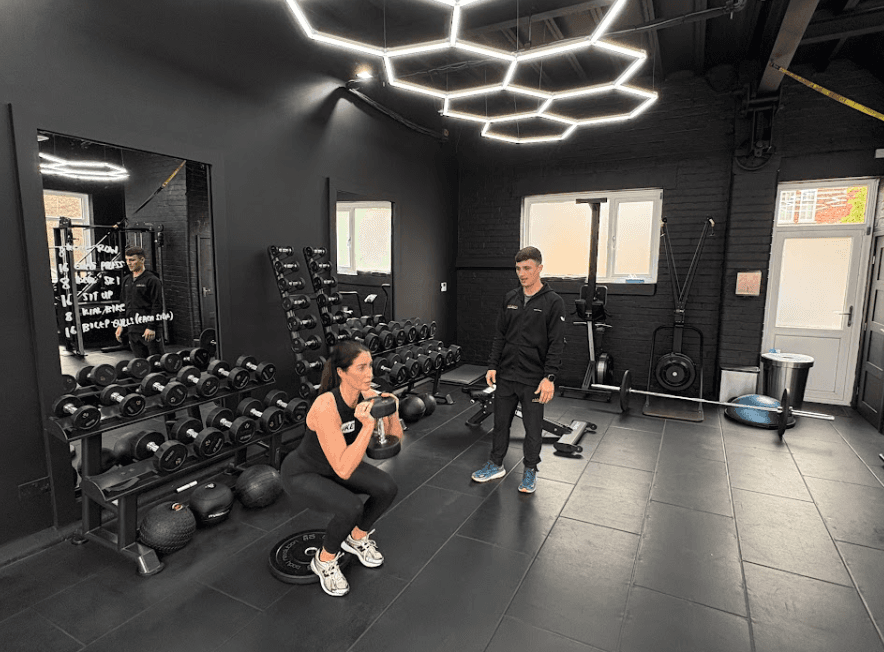
Starting a cross-training routine requires a clear plan. If you simply layer new, intense workouts on top of your existing schedule without a plan, you risk overtraining. A successful routine relies on seamless integration and logical progression.
1. Assess Your Baseline and Primary Goal
Identify your primary fitness pillar. Are you focused on fat loss, building muscle, or increasing endurance? Your cross-training activities should directly complement and support this main objective rather than compete with it.
2. Substitute, Don't Just Add
Do not simply pile extra sessions onto an already busy schedule. Instead, swap out one or two of your traditional workouts for a complementary modality. For example, replace one running session with a low-impact swim or a focused strength circuit.
3. Vary Your Impact and Intensity
Balance high-impact activities (like running or plyometrics) with low-impact options (like cycling, rowing, or yoga). This ensures your joints and central nervous system are not pushed into chronic fatigue.
4. Prioritise Dedicated Mobility Work
Dedicate at least one session or a substantial block of time each week to flexibility and functional movement. This ensures that as your muscles grow stronger and your stamina increases, your joints maintain a safe, full range of motion.
Achieving Results with a Personalised Approach
Partnering with an experienced personal trainer is the safest and most efficient path to transforming your physical health. A professional coach conducts comprehensive postural assessments, identify hidden muscular imbalances, and design a customised roadmap that aligns perfectly with your lifestyle and aspirations.
We specialise in creating elite, bespoke fitness experiences away from the intimidating crowds of commercial public gyms. Our private, high-energy studios are tailored to support your exact requirements. Investing in private personal training ensures that your form is strictly monitored, every workout is safe, and your training schedule is balanced to prevent injury. Our master coaches curate each session around your personal metrics, dietary requirements, and specific goals, ensuring every movement serves a distinct purpose.
People are, by nature, creatures of habit. If you enjoy running, you likely lace up your trainers and hit the pavement day after day. If you lift weights, your routine probably revolves around the squat rack and the dumbbell tree. While dedication to a specific discipline is admirable, sticking strictly to one type of movement for months or years on end often leads to two frustrating roadblocks: a plateau in progress or an overuse injury.
When your body performs the same movements week after week, it becomes highly efficient at them. Efficiency sounds ideal, but in fitness, it means you burn fewer calories, stop building new muscle, and repeatedly stress the exact same joints, tendons, and ligaments.
This is where cross-training becomes your ultimate fitness tool. By strategically mixing up your training modalities, you challenge your body from entirely new angles, keep your mind engaged, and unlock a more resilient, balanced version of yourself. Whether you are an athlete looking to shave seconds off a personal best or someone searching for a trusted personal trainer near me to start a healthier lifestyle, understanding the principles of cross-training can transform how you approach your physical health.
What Exactly Is Cross-Training?
At its core, cross-training is the practice of combining different types of exercise within a single, cohesive fitness plan to improve overall performance and well-being. Rather than focusing on a single activity, a cross-training regimen blends various training styles (typically cardiovascular endurance, resistance training, and flexibility work) to challenge distinct muscle groups and energy systems.
According to organisations like the American Academy of Orthopedic Surgeons (AAOS), a comprehensive and effective cross-training strategy should be an intentional framework consisting of three fundamental components:
Cardiovascular/aerobic exercise: Activities like swimming, cycling, rowing, or running that elevate your heart rate, optimise lung capacity, and build stamina.
Strength and resistance training: Incorporating dedicated resistance training using free weights, resistance bands, or bodyweight movements is crucial to increase bone density, build lean muscle mass, and stabilise joints.
Flexibility and mobility work: Practices like yoga, dynamic stretching, or structured mobility drills that enhance your range of motion, improve body alignment, and fast-track recovery.
The goal is to use complementary movements to eliminate structural weaknesses. For instance, a dedicated runner might introduce strength training to stabilise their hips and knees, while a weightlifter might add swimming to enhance their breath control and cardiovascular conditioning.
The Primary Benefits of Cross-Training
One of the greatest strengths of cross-training is its versatility. It offers massive advantages whether you are a teenager building an athletic foundation, a busy executive trying to stay functional, or an older adult focused on longevity.
1. Significant Reduction in Injury Risk
When you perform the exact same motion repeatedly, you risk overworking specific tissues. This often manifests as tendinitis, shin splints, or chronic joint pain. By distributing your training load across multiple disciplines, you give high-stress areas a chance to recover while strengthening the supporting musculature around them.
2. Eliminating Fitness Plateaus
Your metabolism and muscles adapt quickly to repetition. When you introduce variety, you force your neuromuscular system to adapt to unfamiliar patterns. This consistent variation keeps your metabolic rate elevated and triggers continuous muscle development and fat loss.
3. Accelerated Active Recovery
Complete rest is vital, but active recovery can often speed up the healing process. Low-impact cross-training, such as a light swim or a mobility session the day after a heavy lifting workout, promotes blood flow, flushes out metabolic waste like lactic acid, and drastically reduces delayed onset muscle soreness (DOMS).
4. Mental Longevity and Motivation
Workout boredom is one of the leading reasons people drop off their fitness routines. Cross-training keeps your workouts engaging by introducing new skills, movement patterns, and performance goals to work towards.
How to Structure Your Cross-Training Routine
Starting a cross-training routine requires a clear plan. If you simply layer new, intense workouts on top of your existing schedule without a plan, you risk overtraining. A successful routine relies on seamless integration and logical progression.
1. Assess Your Baseline and Primary Goal
Identify your primary fitness pillar. Are you focused on fat loss, building muscle, or increasing endurance? Your cross-training activities should directly complement and support this main objective rather than compete with it.
2. Substitute, Don't Just Add
Do not simply pile extra sessions onto an already busy schedule. Instead, swap out one or two of your traditional workouts for a complementary modality. For example, replace one running session with a low-impact swim or a focused strength circuit.
3. Vary Your Impact and Intensity
Balance high-impact activities (like running or plyometrics) with low-impact options (like cycling, rowing, or yoga). This ensures your joints and central nervous system are not pushed into chronic fatigue.
4. Prioritise Dedicated Mobility Work
Dedicate at least one session or a substantial block of time each week to flexibility and functional movement. This ensures that as your muscles grow stronger and your stamina increases, your joints maintain a safe, full range of motion.
Achieving Results with a Personalised Approach
Partnering with an experienced personal trainer is the safest and most efficient path to transforming your physical health. A professional coach conducts comprehensive postural assessments, identify hidden muscular imbalances, and design a customised roadmap that aligns perfectly with your lifestyle and aspirations.
We specialise in creating elite, bespoke fitness experiences away from the intimidating crowds of commercial public gyms. Our private, high-energy studios are tailored to support your exact requirements. Investing in private personal training ensures that your form is strictly monitored, every workout is safe, and your training schedule is balanced to prevent injury. Our master coaches curate each session around your personal metrics, dietary requirements, and specific goals, ensuring every movement serves a distinct purpose.
Table of Content

Written by
Rufus Bradshaw
Rufus Bradshaw
Director of Fitness
Rufus Bradshaw has been at the forefront of personal training since founding his business in 2006, bringing over 20 years of expertise to every session. Based in Wilmslow and Alderley Edge, Cheshire, he crafts bespoke fitness regimes with closely monitored goals, working with high-achieving clients who demand real results. Rufus's philosophy centres on continuous evolution, demanding commitment and hard work, and reciprocating with 110% effort every time.
Frequently Asked Questions
Frequently Asked Questions
Is cross-training suitable for complete fitness beginners?
How many times a week should I incorporate cross-training?
Can I cross train if I am currently recovering from an injury?
What is the main difference between cross-training and a standard gym workout?
How does a personal trainer optimise a cross-training plan?



Alchemy PT are UK’s number one personal trainers. Situated in central Wilmslow, we have over 2,000 square feet of space for our Personal Training Studio.
WhatsApp Us
Call Us
Alchemy - © Copyright 2026 |
Website by ARENA
Alchemy PT are UK’s number one personal trainers. Situated in central Wilmslow, we have over 2,000 square feet of space for our Personal Training Studio.
WhatsApp Us
Call Us
Alchemy - © Copyright 2026 |
Website by ARENA
Alchemy PT are UK’s number one personal trainers. Situated in central Wilmslow, we have over 2,000 square feet of space for our Personal Training Studio.
WhatsApp Us
Call Us
Alchemy - © Copyright 2026 |
Website by ARENA
Alchemy PT are UK’s number one personal trainers. Situated in central Wilmslow, we have over 2,000 square feet of space for our Personal Training Studio.
WhatsApp Us
Call Us
Alchemy - © Copyright 2026 |
Website by ARENA