How to Grow Bone Density: Tips From Personal Trainers in Wilmslow
How to Grow Bone Density: Tips From Personal Trainers in Wilmslow
Published Date:
Published Date:
Last Updated:
Last Updated:

Key Takeaways
Progressive resistance training and high-impact movements stimulate osteoblasts to deposit fresh bone mineral content along skeletal stress lines.
A balanced biological intake of Calcium, Vitamin D3, Vitamin K2, and adequate protein provides the fundamental building blocks for bone matrix renewal.
Working alongside an experienced coach ensures physical loading is applied with proper movement mechanics to prevent joint strain and structural injury.
Maintaining robust skeletal health is essential for lifelong mobility, functional strength, and physical independence. While many individuals focus on muscle hypertrophy or cardiovascular endurance when designing a fitness routine, understanding how to grow bone density is equally critical, especially as we age. Peak bone mass is typically achieved during our late twenties, after which natural bone resorption gradually outpaces bone formation. Without targeted physical intervention, this natural shift can lead to osteopenia or osteoporosis, leaving bones brittle, fragile, and prone to structural fractures.
Fortunately, bone tissue is dynamically adaptive and continually responds to physical demands. Through deliberate mechanical loading, proper dietary support, and structured coaching, you can signal your skeleton to deposit new bone mineral content at virtually any stage of life.
The Biological Mechanism: How Bone Remodelling Works

Bone is a living organ made of collagen strengthened by calcium phosphate. Your body constantly remodels it by removing old tissue and building new layers using two main cells:
Osteoclasts: Specialised cells responsible for breaking down and resorbing old or micro-damaged bone tissue.
Osteoblasts: Cells tasked with laying down new collagen matrices and mineralising them into strong, resilient bone.
When mechanical tension or axial loading is applied to a bone, it creates subtle micro-deflections within the tissue matrix. This physical strain triggers mechanoreceptors inside osteocytes (mature bone cells), launching a cellular signaling cascade that instructs osteoblasts to deposit new bone mineral along those exact stress vectors. This fundamental physiological principle, known as Wolff’s Law, proves that bone mineral density directly adapts to the physical workload placed upon it.
If your daily routine lacks progressive physical resistance, osteoclastic breakdown dominates over time, leading to a steady loss of structural skeletal mass.
1. Progressive Resistance Training: The Principal Catalyst
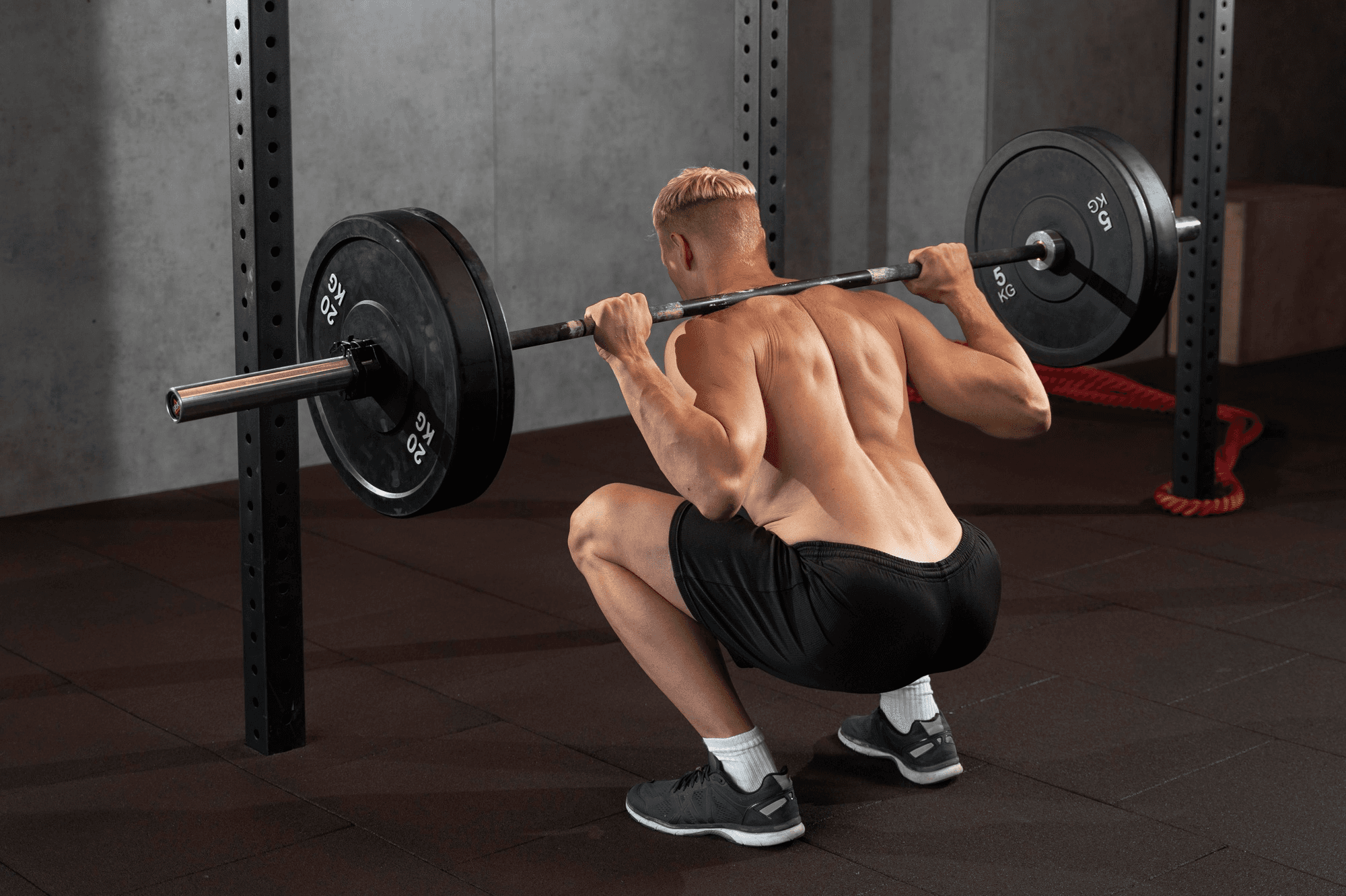
To trigger osteoblastic bone formation, light everyday movements like casual walking or swimming are simply insufficient. Bone growth demands physical stress that exceeds standard daily thresholds. Multi-joint compound resistance exercises deliver the mechanical load required to strengthen vulnerable sites such as the hips, spine, and femoral necks.
High-Yield Compound Exercises
Multi-joint strength exercises load primary axial and appendicular skeletal structures simultaneously:
Barbell Squats: Applies axial weight down the spinal column and femurs, fortifying the lower back and hip joints.
Deadlifts: Subjects the posterior chain, lumbar spine, and hips to heavy tensile forces as you drive through the floor.
Overhead Presses: Loads the shoulder girdle, cervical-thoracic spine, and upper limbs against gravity.
Step-Ups & Lunges: Creates unilateral ground forces that challenge hip stabilisers while building localised bone density.
Executing complex compound lifts safely requires precise technical execution. Working alongside an expert coach in 1-to-1 personal training ensures your movement mechanics remain sound while achieving the necessary mechanical intensity.
2. Incorporate Weight-Bearing and Impact Activities

While resistance exercises exert tensile pulling forces on bones through muscle tendons, weight-bearing impact movements deliver reactive forces that travel directly through the skeletal structure.
High-Impact vs. Low-Impact Stimuli
High-Impact Movements (Optimal Density Growth): Exercises such as skipping rope, plyometric jumps, jogging, or brisk stair climbing generate substantial impact forces. Research demonstrates that multidirectional impact forces provoke greater localised bone mineral deposition.
Low-Impact Alternatives (Joint-Friendly Options): If existing joint conditions or severe low bone mass make high-impact work unsafe, brisk incline walking, heavy step-ups, and weighted vest carries offer effective weight-bearing resistance without harsh impact.
If you are looking to diversify your routine across different age groups or fitness levels, incorporating varied movement routines alongside structured coaching can enhance overall stability. Incorporating cross-training supports lifelong joint and skeletal health.
3. Essential Nutritional Pillars for Bone Mineral Density
Physical loading signals your bones to grow, but you also need the right nutrition to build new bone.
Nutrient | Biological Function in Bone Formation | Primary Food Sources |
Calcium | Primary structural mineral forming bone mineral matrix | Dairy products, kale, sardines, fortified plant milk |
Vitamin D3 & K2 | D3 enhances intestinal absorption; K2 directs calcium to bones | Fatty fish, egg yolks, fermented foods (Natto), sunlight |
Dietary Protein | Forms ~50% of total bone volume (collagen framework) | Lean meats, poultry, eggs, tofu, Greek yoghurt |
Calcium: The Foundation for Strong Bones
Adults need 1,000–1,200 mg of calcium daily. Get it from whole foods like dairy (Greek yoghurt, hard cheese), leafy greens (kale, bok choy), and canned fish with soft bones.
Vitamin D3 and Vitamin K2: The Directional System
Without sufficient Vitamin D, intestinal calcium absorption drops dramatically. Vitamin D3 drives systemic calcium uptake, while Vitamin K2 activates osteocalcin, a protein that binds calcium directly into bone mineral tissue rather than allowing it to deposit in arterial walls.
High-Quality Dietary Protein
Bone tissue is composed of nearly 50% protein by volume, structured as a flexible collagen lattice. Consuming adequate daily protein ensures your body has a constant supply of amino acids necessary for continuous collagen synthesis.
4. Lifestyle Factors That Accelerate Bone Loss
Understanding how to grow bone density also involves eliminating habits that cause rapid mineral degradation:
Chronic Nicotine Exposure: Smoking directly impairs osteoblast function and reduces active circulating Vitamin D levels.
Excessive Alcohol Consumption: High alcohol intake impairs intestinal calcium absorption and suppresses essential bone-building hormones.
Sedentary Habits: Prolonged sitting tells the body that dense skeletal mass is unnecessary, accelerating osteoclastic resorption.
Severe Caloric Restriction: Under-eating depresses key anabolic hormones (estrogen, testosterone, and growth hormone), resulting in swift bone mass reduction.
Tailored Coaching: The Safest Path to Stronger Bones

Stimulating meaningful bone density growth requires balancing training intensity with proper recovery. Lifting loads that are too light fails to create the required mechanical strain, whereas lifting excessively heavy weight with poor posture significantly increases risk of injury.
For individuals seeking structured, professional instruction, partnering with a dedicated personal trainer in Wilmslow ensures long-term success. Professional coaching provides:
Movement Assessments: Identifying structural limitations and movement imbalances before adding heavy external loads. Working with a corrective exercise specialist can help address joint alignment issues prior to initiating high-load protocols.
Progressive Load Tracking: Systematically increasing exercise resistance and mechanical force over time.
Comprehensive Lifestyle Integration: Combining tailored exercise routines with practical nutrition guidance to optimise bone health.
Building a Stronger Foundation for Life
Maintaining bone mineral density is a lifelong commitment that requires a deliberate, multi-faceted approach. By combining progressive resistance exercise, weight-bearing impact movements, targeted nutrition, and positive lifestyle habits, you give your skeleton the exact biological triggers and raw materials it needs to stay strong and resilient.
Ageing does not have to mean accepting brittle bones or lost mobility. With expert guidance and a structured fitness program, you can safeguard your skeletal health and protect your physical independence for decades to come.
Maintaining robust skeletal health is essential for lifelong mobility, functional strength, and physical independence. While many individuals focus on muscle hypertrophy or cardiovascular endurance when designing a fitness routine, understanding how to grow bone density is equally critical, especially as we age. Peak bone mass is typically achieved during our late twenties, after which natural bone resorption gradually outpaces bone formation. Without targeted physical intervention, this natural shift can lead to osteopenia or osteoporosis, leaving bones brittle, fragile, and prone to structural fractures.
Fortunately, bone tissue is dynamically adaptive and continually responds to physical demands. Through deliberate mechanical loading, proper dietary support, and structured coaching, you can signal your skeleton to deposit new bone mineral content at virtually any stage of life.
The Biological Mechanism: How Bone Remodelling Works
Bone is a living organ made of collagen strengthened by calcium phosphate. Your body constantly remodels it by removing old tissue and building new layers using two main cells:
Osteoclasts: Specialised cells responsible for breaking down and resorbing old or micro-damaged bone tissue.
Osteoblasts: Cells tasked with laying down new collagen matrices and mineralising them into strong, resilient bone.
When mechanical tension or axial loading is applied to a bone, it creates subtle micro-deflections within the tissue matrix. This physical strain triggers mechanoreceptors inside osteocytes (mature bone cells), launching a cellular signaling cascade that instructs osteoblasts to deposit new bone mineral along those exact stress vectors. This fundamental physiological principle, known as Wolff’s Law, proves that bone mineral density directly adapts to the physical workload placed upon it.
If your daily routine lacks progressive physical resistance, osteoclastic breakdown dominates over time, leading to a steady loss of structural skeletal mass.
1. Progressive Resistance Training: The Principal Catalyst
To trigger osteoblastic bone formation, light everyday movements like casual walking or swimming are simply insufficient. Bone growth demands physical stress that exceeds standard daily thresholds. Multi-joint compound resistance exercises deliver the mechanical load required to strengthen vulnerable sites such as the hips, spine, and femoral necks.
High-Yield Compound Exercises
Multi-joint strength exercises load primary axial and appendicular skeletal structures simultaneously:
Barbell Squats: Applies axial weight down the spinal column and femurs, fortifying the lower back and hip joints.
Deadlifts: Subjects the posterior chain, lumbar spine, and hips to heavy tensile forces as you drive through the floor.
Overhead Presses: Loads the shoulder girdle, cervical-thoracic spine, and upper limbs against gravity.
Step-Ups & Lunges: Creates unilateral ground forces that challenge hip stabilisers while building localised bone density.
Executing complex compound lifts safely requires precise technical execution. Working alongside an expert coach in 1-to-1 personal training ensures your movement mechanics remain sound while achieving the necessary mechanical intensity.
2. Incorporate Weight-Bearing and Impact Activities
While resistance exercises exert tensile pulling forces on bones through muscle tendons, weight-bearing impact movements deliver reactive forces that travel directly through the skeletal structure.
High-Impact vs. Low-Impact Stimuli
High-Impact Movements (Optimal Density Growth): Exercises such as skipping rope, plyometric jumps, jogging, or brisk stair climbing generate substantial impact forces. Research demonstrates that multidirectional impact forces provoke greater localised bone mineral deposition.
Low-Impact Alternatives (Joint-Friendly Options): If existing joint conditions or severe low bone mass make high-impact work unsafe, brisk incline walking, heavy step-ups, and weighted vest carries offer effective weight-bearing resistance without harsh impact.
If you are looking to diversify your routine across different age groups or fitness levels, incorporating varied movement routines alongside structured coaching can enhance overall stability. Incorporating cross-training supports lifelong joint and skeletal health.
3. Essential Nutritional Pillars for Bone Mineral Density
Physical loading signals your bones to grow, but you also need the right nutrition to build new bone.
Nutrient | Biological Function in Bone Formation | Primary Food Sources |
Calcium | Primary structural mineral forming bone mineral matrix | Dairy products, kale, sardines, fortified plant milk |
Vitamin D3 & K2 | D3 enhances intestinal absorption; K2 directs calcium to bones | Fatty fish, egg yolks, fermented foods (Natto), sunlight |
Dietary Protein | Forms ~50% of total bone volume (collagen framework) | Lean meats, poultry, eggs, tofu, Greek yoghurt |
Calcium: The Foundation for Strong Bones
Adults need 1,000–1,200 mg of calcium daily. Get it from whole foods like dairy (Greek yoghurt, hard cheese), leafy greens (kale, bok choy), and canned fish with soft bones.
Vitamin D3 and Vitamin K2: The Directional System
Without sufficient Vitamin D, intestinal calcium absorption drops dramatically. Vitamin D3 drives systemic calcium uptake, while Vitamin K2 activates osteocalcin, a protein that binds calcium directly into bone mineral tissue rather than allowing it to deposit in arterial walls.
High-Quality Dietary Protein
Bone tissue is composed of nearly 50% protein by volume, structured as a flexible collagen lattice. Consuming adequate daily protein ensures your body has a constant supply of amino acids necessary for continuous collagen synthesis.
4. Lifestyle Factors That Accelerate Bone Loss
Understanding how to grow bone density also involves eliminating habits that cause rapid mineral degradation:
Chronic Nicotine Exposure: Smoking directly impairs osteoblast function and reduces active circulating Vitamin D levels.
Excessive Alcohol Consumption: High alcohol intake impairs intestinal calcium absorption and suppresses essential bone-building hormones.
Sedentary Habits: Prolonged sitting tells the body that dense skeletal mass is unnecessary, accelerating osteoclastic resorption.
Severe Caloric Restriction: Under-eating depresses key anabolic hormones (estrogen, testosterone, and growth hormone), resulting in swift bone mass reduction.
Tailored Coaching: The Safest Path to Stronger Bones
Stimulating meaningful bone density growth requires balancing training intensity with proper recovery. Lifting loads that are too light fails to create the required mechanical strain, whereas lifting excessively heavy weight with poor posture significantly increases risk of injury.
For individuals seeking structured, professional instruction, partnering with a dedicated personal trainer in Wilmslow ensures long-term success. Professional coaching provides:
Movement Assessments: Identifying structural limitations and movement imbalances before adding heavy external loads. Working with a corrective exercise specialist can help address joint alignment issues prior to initiating high-load protocols.
Progressive Load Tracking: Systematically increasing exercise resistance and mechanical force over time.
Comprehensive Lifestyle Integration: Combining tailored exercise routines with practical nutrition guidance to optimise bone health.
Building a Stronger Foundation for Life
Maintaining bone mineral density is a lifelong commitment that requires a deliberate, multi-faceted approach. By combining progressive resistance exercise, weight-bearing impact movements, targeted nutrition, and positive lifestyle habits, you give your skeleton the exact biological triggers and raw materials it needs to stay strong and resilient.
Ageing does not have to mean accepting brittle bones or lost mobility. With expert guidance and a structured fitness program, you can safeguard your skeletal health and protect your physical independence for decades to come.
Table of Content

Written by
Rufus Bradshaw
Rufus Bradshaw
Director of Fitness
Rufus Bradshaw has been at the forefront of personal training since founding his business in 2006, bringing over 20 years of expertise to every session. Based in Wilmslow and Alderley Edge, Cheshire, he crafts bespoke fitness regimes with closely monitored goals, working with high-achieving clients who demand real results. Rufus's philosophy centres on continuous evolution, demanding commitment and hard work, and reciprocating with 110% effort every time.
Frequently Asked Questions
Frequently Asked Questions
How long does it take to see measurable improvements in bone density?
Can you still build bone density after menopause?
Is swimming or cycling effective for building strong bones?
What is the main difference between osteopenia and osteoporosis?
How heavy do I need to lift to trigger bone growth?



Alchemy PT are UK’s number one personal trainers. Situated in central Wilmslow, we have over 2,000 square feet of space for our Personal Training Studio.
Call Us
Alchemy - © Copyright 2026 |
Website by ARENA
Alchemy PT are UK’s number one personal trainers. Situated in central Wilmslow, we have over 2,000 square feet of space for our Personal Training Studio.
Call Us
Alchemy - © Copyright 2026 |
Website by ARENA
Alchemy PT are UK’s number one personal trainers. Situated in central Wilmslow, we have over 2,000 square feet of space for our Personal Training Studio.
Call Us
Alchemy - © Copyright 2026 |
Website by ARENA
Alchemy PT are UK’s number one personal trainers. Situated in central Wilmslow, we have over 2,000 square feet of space for our Personal Training Studio.
Call Us
Alchemy - © Copyright 2026 |
Website by ARENA