What Is Muscle Wastage and How to Prevent It as You Age
What Is Muscle Wastage and How to Prevent It as You Age
Published Date:
Published Date:
Last Updated:
Last Updated:
Key Takeaways
Muscle wastage, or sarcopenia, is the progressive loss of muscle mass, strength, and tissue quality that naturally accelerates as we age.
Progressive resistance training combined with adequate daily protein intake provides the necessary biological stimulus to slow down and reverse tissue atrophy.
Working with an experienced coach ensures weight-bearing exercises are executed safely with proper form to protect ageing joints and build lasting physical resilience.
Maintaining physical independence, joint stability, and daily vitality depends heavily on the health of our skeletal muscle system. However, as the body matures, many individuals notice a gradual decline in overall strength, muscular tone, and energy levels. Understanding what is muscle wastage, physiologically known as muscle atrophy or sarcopeni, is the first step toward safeguarding your physical resilience and protecting your mobility as you age.
Beginning as early as our thirties, the human body naturally loses approximately 3% to 8% of its muscle mass per decade, with the rate of decline accelerating significantly after age sixty. Left unchecked, this involuntary reduction in muscle mass can compromise balance, slow down resting metabolism, and increase the risk of accidental falls. Fortunately, muscle tissue remains remarkably responsive throughout life. Through structured resistance exercise and targeted nutrition, you can effectively counteract muscle degradation and rebuild functional strength at any age.
The Biological Mechanisms: What Causes Muscle Wastage?

Muscle wastage occurs when the rate of muscle protein breakdown exceeds the rate of muscle protein synthesis. While age-related sarcopenia is a natural biological process, several key factors contribute to the speed and severity of tissue loss:
Age-Related Hormonal Shifts: Decreasing levels of anabolic hormones, including growth hormone, testosterone, and estrogen, diminish the body's natural capacity to synthesise new muscle proteins.
Denervation and Motor Unit Loss: As we grow older, the body experiences a natural decline in alpha motor neurons, which send signals from the brain to muscle fibres. This leads to the shrinking and eventual loss of fast-twitch muscle fibres responsible for power and explosive strength.
Anabolic Resistance: Ageing muscles become less sensitive to standard dietary protein inputs and low-intensity movement, requiring higher-quality protein distribution and stronger physical stimuli to trigger repair.
Physical Inactivity and Disuse: Prolonged sedentary habits or extended periods of bed rest rapidly accelerate muscle degradation, signalling to the nervous system that dense tissue mass is no longer required.
Understanding these underlying mechanisms highlights why passive routines like light walking are insufficient on their own to prevent muscle atrophy.
Resistance Training as a Tool to Prevent Muscle Loss
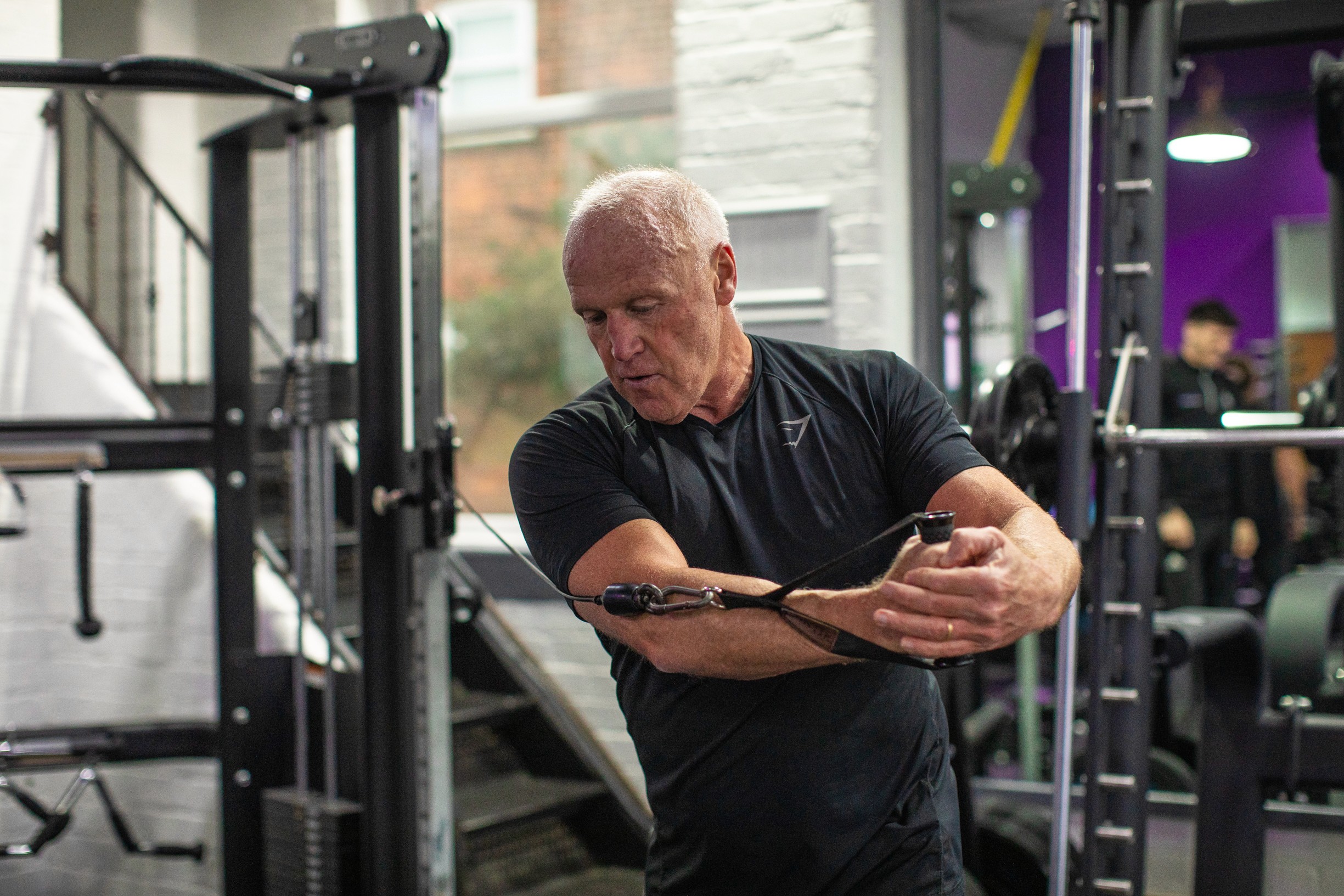
To overcome anabolic resistance and spark new muscle growth, your workout needs weight-bearing exercises that challenge your neuromuscular system.

Multi-Joint Compound Movements
Compound strength exercises load large muscle groups simultaneously, sending a strong biological message to preserve and build lean tissue:
Squats and Leg Presses: Target the quadriceps, glutes, and hamstrings to support standing up, climbing stairs, and maintaining balance.
Deadlifts and Hip Hinges: Strengthen the posterior chain, lumbar spine, and core structures to protect the lower back.
Pushing Movements (Chest Press, Overhead Press): Preserve upper body pushing power and shoulder joint stability.
Pulling Movements (Rows, Lat Pulldowns): Build upper back strength to prevent age-related postural slumping.
For adults returning to fitness or navigating joint limitations, a private personal training ensures every exercise is tailored to your structural readiness and executed with safe technique.
Nutritional Strategies to Fuel Muscle Retention
While physical exercise provides the mechanical signal for your body to retain muscle, proper nutrition provides the raw materials needed to repair and rebuild muscle tissue.
Nutrient | Biological Role in Preventing Muscle Wastage | Primary Food Sources |
Dietary Protein | Supplies essential amino acids (especially Leucine) to drive muscle protein synthesis | Chicken breast, lean beef, wild salmon, eggs, tofu, Greek yoghurt |
Vitamin D3 | Supports neuromuscular function, muscle cell turnover, and bone mineral density | Sunlight exposure, fatty fish, egg yolks, fortified foods |
Omega-3 Fatty Acids | Reduces chronic low-grade inflammation and improves muscle sensitivity to protein | Mackerel, sardines, walnuts, flaxseeds, high-grade fish oil |
Prioritise Protein Intake and Timing
Because ageing muscles require higher amounts of amino acids to trigger growth, spreading protein evenly across your meals is crucial. Aim for roughly 1.2 to 1.8 grams of protein per kilogram of body weight daily, ensuring each meal contains 25 to 40 grams of high-quality protein rich in the amino acid leucine.
Hydration and Micronutrient Balance
Dehydrated muscle cells experience accelerated protein breakdown. Maintaining consistent daily water intake while eating a rainbow of antioxidant-rich fruits and vegetables helps neutralize systemic oxidative stress that damages muscle cell membranes.
Lifestyle Habits to Preserve Lean Muscle

Exercise and nutrition form the core pillars of muscle preservation, but daily lifestyle habits significantly influence your systemic recovery environment.
Optimise Deep Sleep
Growth hormone release peaks during deep non-REM sleep stages. Prioritising 7 to 9 hours of quality sleep per night provides your central nervous system and muscle tissue with the ideal biological window for cellular repair.
Manage Chronic Cortisol Levels
Elevated cortisol from psychological or physical stress acts as a catabolic hormone, breaking down muscle tissue into amino acids for emergency fuel. Incorporating regular mobility sessions, outdoor walks, and relaxation techniques keeps stress hormones within healthy ranges.
How Professional Coaching Helps Drive Results
Preventing muscle wastage through progressive loading requires striking the right balance between stimulus and recovery. Training too lightly fails to overcome anabolic resistance, while training too heavily with poor mechanics risks joint strain or injury.
For residents in Wilmslow and Alderley Edge seeking professional guidance, working with an experienced personal trainer near me provides structured, safe instruction tailored to your age and fitness level. Professional coaching delivers:
Comprehensive Functional Assessments: Evaluating joint range of motion, balance, and baseline strength before introducing loaded movements.
Progressive Overload Management: Carefully adjusting exercise weights and repetitions to ensure steady adaptation without overtraining.
Targeted Support: Structuring workouts to preserve joint health, especially when combining strength work alongside guides on how to grow bone density or managing metabolic shifts during midlife.
If you prefer an encouraging environment focused on supportive instruction, learning more about the unique advantages of working with a female personal trainer can help you find the right fit for your personal wellness journey.
Safeguard Your Mobility and Independence for the Long Term
Understanding what is muscle wastage empowers you to take proactive steps to safeguard your physical health as you age. Muscle loss is not an inevitable decline that you must accept. By incorporating progressive resistance exercises, prioritizing protein-rich nutrition, and managing rest, you can preserve your lean muscle mass, maintain your functional mobility, and live an active, independent life.
Maintaining physical independence, joint stability, and daily vitality depends heavily on the health of our skeletal muscle system. However, as the body matures, many individuals notice a gradual decline in overall strength, muscular tone, and energy levels. Understanding what is muscle wastage, physiologically known as muscle atrophy or sarcopeni, is the first step toward safeguarding your physical resilience and protecting your mobility as you age.
Beginning as early as our thirties, the human body naturally loses approximately 3% to 8% of its muscle mass per decade, with the rate of decline accelerating significantly after age sixty. Left unchecked, this involuntary reduction in muscle mass can compromise balance, slow down resting metabolism, and increase the risk of accidental falls. Fortunately, muscle tissue remains remarkably responsive throughout life. Through structured resistance exercise and targeted nutrition, you can effectively counteract muscle degradation and rebuild functional strength at any age.
The Biological Mechanisms: What Causes Muscle Wastage?
Muscle wastage occurs when the rate of muscle protein breakdown exceeds the rate of muscle protein synthesis. While age-related sarcopenia is a natural biological process, several key factors contribute to the speed and severity of tissue loss:
Age-Related Hormonal Shifts: Decreasing levels of anabolic hormones, including growth hormone, testosterone, and estrogen, diminish the body's natural capacity to synthesise new muscle proteins.
Denervation and Motor Unit Loss: As we grow older, the body experiences a natural decline in alpha motor neurons, which send signals from the brain to muscle fibres. This leads to the shrinking and eventual loss of fast-twitch muscle fibres responsible for power and explosive strength.
Anabolic Resistance: Ageing muscles become less sensitive to standard dietary protein inputs and low-intensity movement, requiring higher-quality protein distribution and stronger physical stimuli to trigger repair.
Physical Inactivity and Disuse: Prolonged sedentary habits or extended periods of bed rest rapidly accelerate muscle degradation, signalling to the nervous system that dense tissue mass is no longer required.
Understanding these underlying mechanisms highlights why passive routines like light walking are insufficient on their own to prevent muscle atrophy.
Resistance Training as a Tool to Prevent Muscle Loss
To overcome anabolic resistance and spark new muscle growth, your workout needs weight-bearing exercises that challenge your neuromuscular system.
Multi-Joint Compound Movements
Compound strength exercises load large muscle groups simultaneously, sending a strong biological message to preserve and build lean tissue:
Squats and Leg Presses: Target the quadriceps, glutes, and hamstrings to support standing up, climbing stairs, and maintaining balance.
Deadlifts and Hip Hinges: Strengthen the posterior chain, lumbar spine, and core structures to protect the lower back.
Pushing Movements (Chest Press, Overhead Press): Preserve upper body pushing power and shoulder joint stability.
Pulling Movements (Rows, Lat Pulldowns): Build upper back strength to prevent age-related postural slumping.
For adults returning to fitness or navigating joint limitations, a private personal training ensures every exercise is tailored to your structural readiness and executed with safe technique.
Nutritional Strategies to Fuel Muscle Retention
While physical exercise provides the mechanical signal for your body to retain muscle, proper nutrition provides the raw materials needed to repair and rebuild muscle tissue.
Nutrient | Biological Role in Preventing Muscle Wastage | Primary Food Sources |
Dietary Protein | Supplies essential amino acids (especially Leucine) to drive muscle protein synthesis | Chicken breast, lean beef, wild salmon, eggs, tofu, Greek yoghurt |
Vitamin D3 | Supports neuromuscular function, muscle cell turnover, and bone mineral density | Sunlight exposure, fatty fish, egg yolks, fortified foods |
Omega-3 Fatty Acids | Reduces chronic low-grade inflammation and improves muscle sensitivity to protein | Mackerel, sardines, walnuts, flaxseeds, high-grade fish oil |
Prioritise Protein Intake and Timing
Because ageing muscles require higher amounts of amino acids to trigger growth, spreading protein evenly across your meals is crucial. Aim for roughly 1.2 to 1.8 grams of protein per kilogram of body weight daily, ensuring each meal contains 25 to 40 grams of high-quality protein rich in the amino acid leucine.
Hydration and Micronutrient Balance
Dehydrated muscle cells experience accelerated protein breakdown. Maintaining consistent daily water intake while eating a rainbow of antioxidant-rich fruits and vegetables helps neutralize systemic oxidative stress that damages muscle cell membranes.
Lifestyle Habits to Preserve Lean Muscle
Exercise and nutrition form the core pillars of muscle preservation, but daily lifestyle habits significantly influence your systemic recovery environment.
Optimise Deep Sleep
Growth hormone release peaks during deep non-REM sleep stages. Prioritising 7 to 9 hours of quality sleep per night provides your central nervous system and muscle tissue with the ideal biological window for cellular repair.
Manage Chronic Cortisol Levels
Elevated cortisol from psychological or physical stress acts as a catabolic hormone, breaking down muscle tissue into amino acids for emergency fuel. Incorporating regular mobility sessions, outdoor walks, and relaxation techniques keeps stress hormones within healthy ranges.
How Professional Coaching Helps Drive Results
Preventing muscle wastage through progressive loading requires striking the right balance between stimulus and recovery. Training too lightly fails to overcome anabolic resistance, while training too heavily with poor mechanics risks joint strain or injury.
For residents in Wilmslow and Alderley Edge seeking professional guidance, working with an experienced personal trainer near me provides structured, safe instruction tailored to your age and fitness level. Professional coaching delivers:
Comprehensive Functional Assessments: Evaluating joint range of motion, balance, and baseline strength before introducing loaded movements.
Progressive Overload Management: Carefully adjusting exercise weights and repetitions to ensure steady adaptation without overtraining.
Targeted Support: Structuring workouts to preserve joint health, especially when combining strength work alongside guides on how to grow bone density or managing metabolic shifts during midlife.
If you prefer an encouraging environment focused on supportive instruction, learning more about the unique advantages of working with a female personal trainer can help you find the right fit for your personal wellness journey.
Safeguard Your Mobility and Independence for the Long Term
Understanding what is muscle wastage empowers you to take proactive steps to safeguard your physical health as you age. Muscle loss is not an inevitable decline that you must accept. By incorporating progressive resistance exercises, prioritizing protein-rich nutrition, and managing rest, you can preserve your lean muscle mass, maintain your functional mobility, and live an active, independent life.
Table of Content

Written by
Owen Trainor
Owen Trainor
Master Personal Trainer
Owen Trainor is a Master Personal Trainer at Alchemy, drawing on his background as a top-level football player and amateur boxing competitor to bring a powerful, sports-specific approach to training. He tailors every session to each client's evolving needs, blending nutritional monitoring with adaptable workout plans to drive consistent, measurable results. Owen's motivating, supportive style ensures clients stay focused and empowered throughout their transformation journey.
Frequently Asked Questions
Frequently Asked Questions
What is the difference between sarcopenia and muscle atrophy?
Can you rebuild lost muscle mass after age 60?
How often should older adults perform resistance training to prevent muscle wastage?
Is walking enough exercise to prevent muscle wastage as I age?
How much protein do I need daily to prevent muscle loss as I age?


Alchemy PT are UK’s number one personal trainers. Situated in central Wilmslow, we have over 2,000 square feet of space for our Personal Training Studio.
WhatsApp Us
Call Us
Alchemy - © Copyright 2026 |
Website by ARENA
Alchemy PT are UK’s number one personal trainers. Situated in central Wilmslow, we have over 2,000 square feet of space for our Personal Training Studio.
WhatsApp Us
Call Us
Alchemy - © Copyright 2026 |
Website by ARENA
Alchemy PT are UK’s number one personal trainers. Situated in central Wilmslow, we have over 2,000 square feet of space for our Personal Training Studio.
WhatsApp Us
Call Us
Alchemy - © Copyright 2026 |
Website by ARENA
Alchemy PT are UK’s number one personal trainers. Situated in central Wilmslow, we have over 2,000 square feet of space for our Personal Training Studio.
WhatsApp Us
Call Us
Alchemy - © Copyright 2026 |
Website by ARENA